

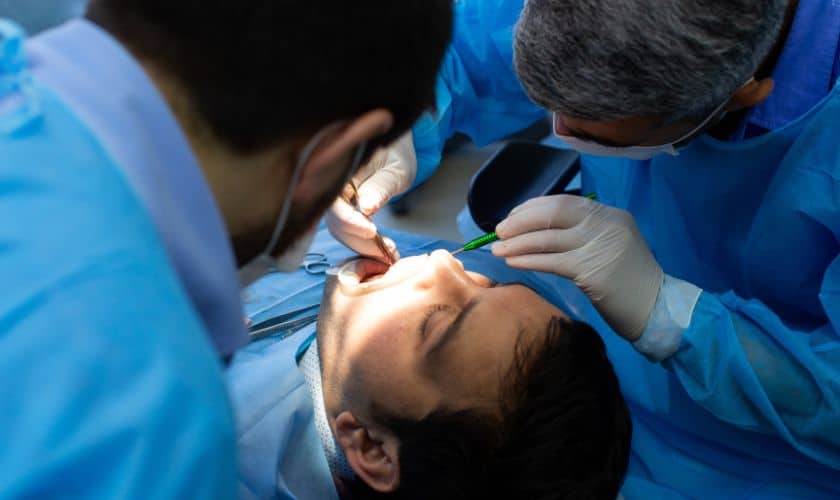
Are you tired of hiding your smile because of missing or damaged teeth? Do you want to improve the appearance and health of your teeth? Restorative dentistry might be the solution for you! This innovative field of dentistry focuses on repairing and replacing damaged teeth, helping to maintain a healthy and beautiful smile. In this article, we’ll explore the benefits of restorative dentistry and which procedures are available to help restore your pearly whites. Get ready to show off that winning grin with confidence!
What Is Restorative Dentistry?
Restorative dentistry is a branch of dental care that primarily focuses on repairing and restoring damaged teeth. It involves the diagnosis, prevention, and treatment of various oral health issues like cavities, decayed or broken teeth, gum disease, missing teeth, and more.
The ultimate goal of restorative dentistry is to restore your mouth’s functionality while improving its overall appearance. This means it not only provides you with healthy teeth but also enhances your smile. Many people choose restorative dentistry because it offers long-lasting solutions to their dental problems.
Restorative dentists use a wide range of techniques to repair damaged or missing teeth such as fillings, crowns, bridges implants, and others. These treatments depend on the extent of damage suffered by your tooth or set of teeth.
Restoring your damaged tooth can prevent further complications from occurring in surrounding areas like gums which could lead to bone loss if left unattended for too long.
Restorative dentistry plays an essential role in maintaining optimal oral health because it helps preserve the natural structure of our mouths while providing lasting solutions for common dental issues like cavities or missing teeth.
5 Benefits Of Restorative Dentistry
Restorative dentistry is an advanced dental treatment that aims to restore the functionality, strength, and appearance of damaged or missing teeth. This type of dental procedure is necessary for patients who have suffered tooth decay, gum disease, injury, or trauma to their teeth.
Aside from improving the aesthetic value of your smile, restorative dentistry offers many other benefits. It can improve your oral health by preventing further tooth decay and gum disease which could lead to more severe problems in the long run. Restorative procedures such as crowns and bridges also help protect existing healthy teeth from being affected by a weak or damaged tooth.
Restorative dentistry can boost your self-esteem and confidence levels significantly. By repairing gaps or crookedness in your smile using veneers or implants you will feel better about showing off your pearly whites!
Restorative dentistry improves speech difficulties caused by missing teeth. When natural teeth are lost due to damage or decay- this can cause difficulty speaking properly, especially with certain sounds -restoration treatments such as partials and fixed bridgework can help correct these issues.
Fourthly, restoration procedures like root canal therapy help prevent infections that could spread throughout the body leading to serious complications.
Lastly, a well-restored set of teeth makes eating a much easier process; bringing back full chewing function allows you to eat a balanced diet without any pain or discomfort while enjoying all sorts of delicious foods!
In conclusion, there are numerous benefits when it comes to undergoing restorative dentistry treatments; not only do they improve overall oral hygiene but they also make life more comfortable socially, physically, emotionally etc.!
What Are The Different Types Of Restorative Procedures?
Restorative dentistry is a field that encompasses several procedures designed to address different oral health problems. Each procedure caters to specific dental issues, ranging from minor damage to severe decay or missing teeth.
Some of the most common types of restorative procedures include fillings, crowns, bridges, and implants. Fillings are typically done for cavities caused by tooth decay. Crowns are used when a significant portion of the tooth is damaged or removed due to trauma or decay. Bridges are preferred solutions for missing one or more teeth; they use existing teeth as anchors on either side of the gap where the new prosthetic will be placed.
Dental implants are an increasingly popular option for patients who want a long-lasting solution that looks and feels like natural teeth while preventing bone loss in their jawbone structure. Implants involve surgically inserting small titanium posts into the jawbone, which serve as replacement roots for artificial teeth.
Other less invasive restorative treatments such as bonding and veneers can also be used to improve cosmetic appearance while restoring function. Bonding uses composite resin material applied directly onto chipped areas to restore shape and color while covering any flaws in your smile’s overall appearance with porcelain veneers.
There is no one-size-fits-all approach when it comes to restorative dentistry procedures – each case requires careful evaluation before recommending treatment options that best suit individual needs based on factors such as age, dental history and habits among others!
Summary
Restorative dentistry is an important aspect of maintaining a healthy smile. It not only improves the appearance of teeth but also helps prevent further damage and decay. The benefits of restorative dentistry include improved oral health, increased confidence in your smile, easier chewing and speaking, long-lasting results, and ultimately saving more money on dental care in the long run. Whether you need fillings or implants, there are various types of procedures available to cater to your specific needs. So why wait? Consult with your dentist today about the different options for restorative dentistry and take that first step towards achieving a healthier and brighter smile!