

Temporomandibular Joint Disorder (TMD) is a condition that affects the jaw joint and muscles controlling jaw movement, often leading to pain, difficulty chewing, and clicking or popping sounds in the jaw. It can be caused by several factors, including injury, misalignment of the teeth, arthritis, and teeth grinding. While there are many treatments available for TMD, dental implants offer a unique solution for patients suffering from this condition, especially when it’s related to tooth loss or bite misalignment. Here’s how dental implants can help address TMD.
1. Restoring Proper Bite Alignment
One of the common causes of TMD is misalignment of the teeth, which can place undue stress on the jaw joint. This misalignment may be due to tooth loss or a poorly fitting denture. When a tooth is lost, the remaining teeth may shift out of place, affecting the bite and leading to jaw pain. Dental implants help restore a natural bite by replacing missing teeth with artificial ones that function just like real teeth.
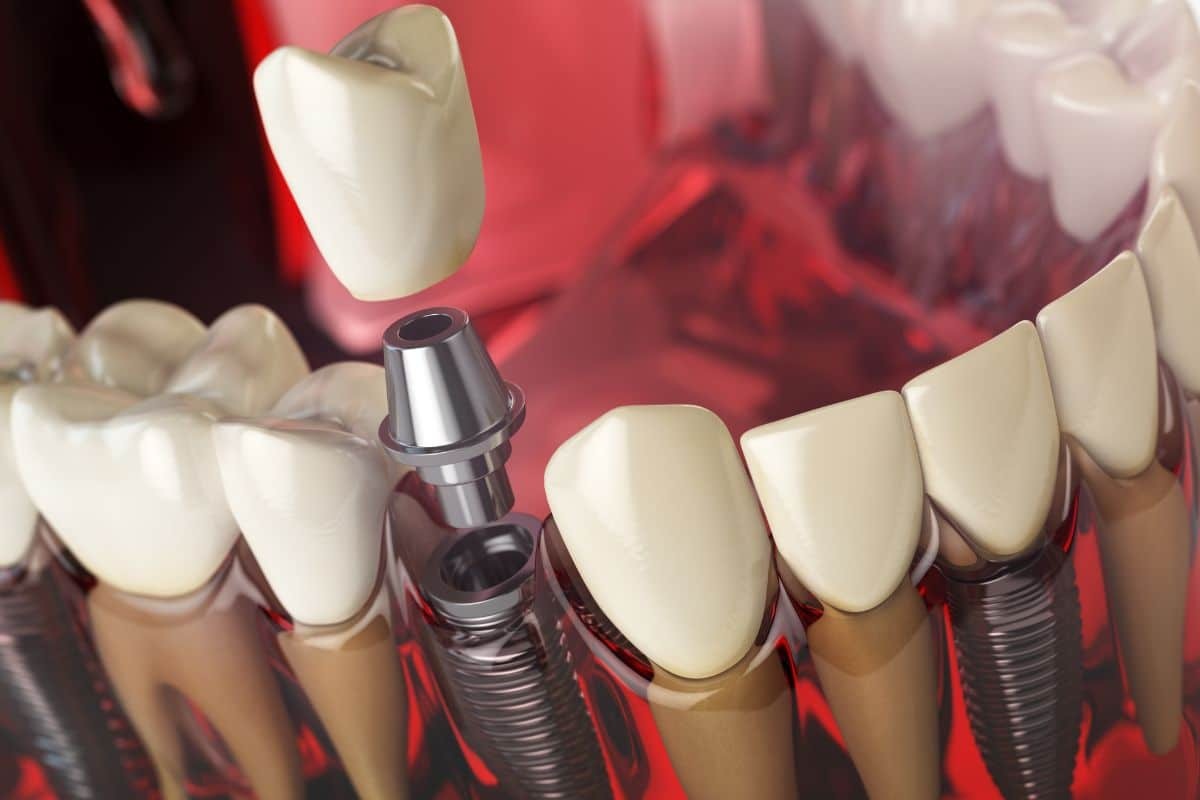
The implant post is anchored into the jawbone, mimicking the root of a natural tooth, and supports a crown that helps restore the tooth’s function. By filling in gaps and improving bite alignment, dental implants can reduce the pressure on the jaw joint and prevent the strain that often leads to TMD symptoms.
2. Preventing Teeth Shifting and Jaw Stress
When a tooth is lost, the surrounding teeth may begin to shift to fill the gap. This shifting can affect the alignment of the bite and result in uneven pressure on the jaw. This misalignment can cause stress on the temporomandibular joint (TMJ), leading to symptoms of TMD, including jaw pain, headaches, and difficulty opening or closing the mouth.
Dental implants help prevent teeth from shifting by filling the space left by missing teeth, maintaining proper alignment, and ensuring even distribution of bite pressure. By stabilizing the bite and reducing strain on the TMJ, dental implants can help alleviate TMD symptoms.
3. Improving Chewing Function and Jaw Mobility
People with TMD often experience pain and limited movement when chewing or speaking. This can make it difficult to enjoy a normal diet and may lead to further jaw strain. Dental implants can help restore normal chewing function, making it easier for patients to eat and talk without pain.
Since dental implants are firmly anchored into the jawbone, they function just like natural teeth, providing the stability needed for effective chewing. With the restoration of normal biting and chewing function, patients can avoid overloading their jaw joint and reduce the symptoms of TMD.
4. Promoting Long-Term Jaw Health
Tooth loss, especially if left untreated, can cause bone loss in the jaw, which can further affect the alignment of the teeth and increase the risk of developing TMD. Dental implants are the only tooth replacement option that stimulates the jawbone, helping to maintain bone density and prevent further bone loss.
The implant post acts as a substitute for the tooth root, providing the necessary stimulation to keep the bone healthy and intact. By preserving the bone structure in the jaw, dental implants not only improve overall oral health but also contribute to the long-term stability of the jaw joint, reducing the risk of developing TMD or worsening existing symptoms.
5. Reducing the Need for Additional Dental Treatments
In some cases, patients with TMD may require complex dental treatments to address issues like bite misalignment, gum disease, or tooth decay. Dental implants can reduce the need for these additional treatments by providing a permanent solution to tooth loss and bite misalignment. By addressing these root causes of TMD, implants can improve overall dental health, minimizing the need for ongoing treatments.
Conclusion
Dental implants are a versatile and effective solution for patients suffering from TMD, especially when tooth loss or misalignment is a contributing factor. By restoring bite alignment, preventing teeth shifting, improving chewing function, and preserving jaw health, dental implants can significantly reduce the symptoms of TMD. If you are suffering from TMD and are considering tooth replacement options, speak with your dentist about how dental implants can help address your condition and improve your quality of life. With proper treatment, dental implants can help you enjoy a pain-free and functional smile once again.