

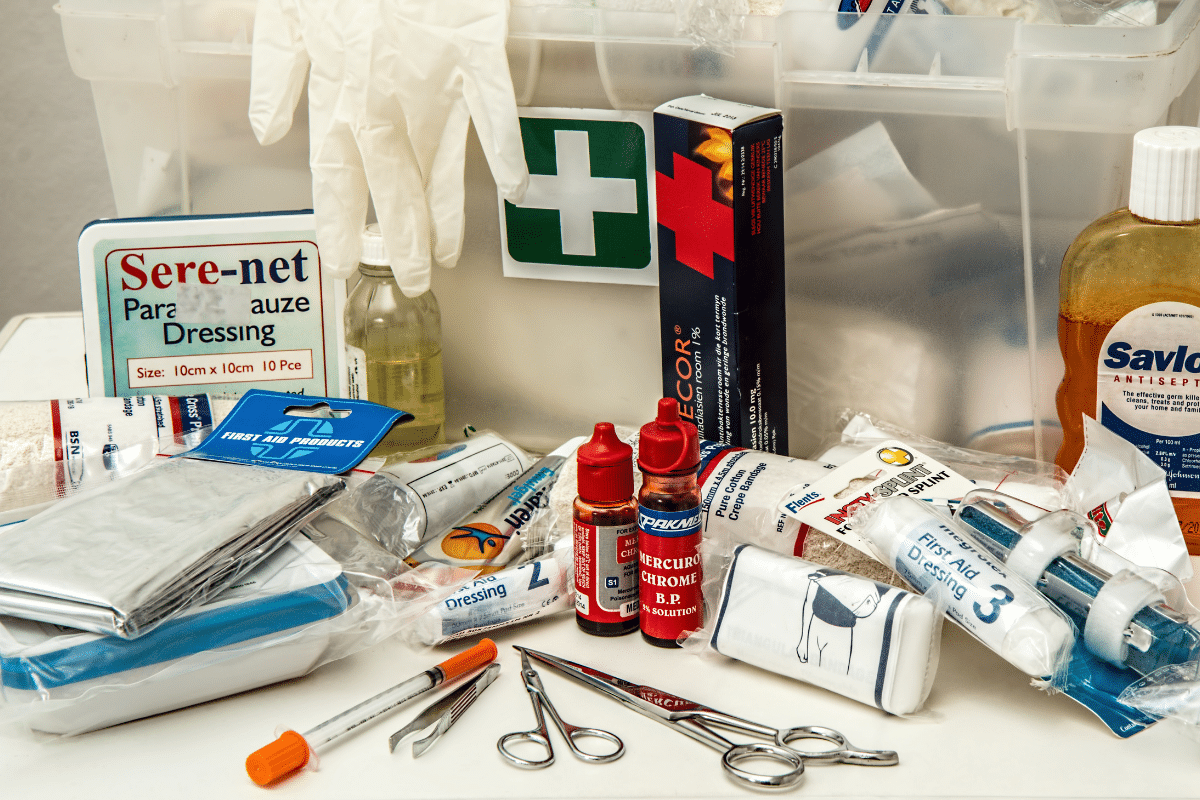
Tooth pain has a way of showing up at the worst times — late at night, on a holiday, or right before a big event. Most people are not ready for a dental emergency when it hits. But having the right items at home can make a real difference while you wait to see a professional.
Whether you are dealing with a knocked-out tooth, a lost filling, or sudden jaw pain, being prepared helps you manage the situation calmly. Families across Michigan, including those who turn to a trusted dentist in Ludington, know that quick action can sometimes save a tooth or prevent a small problem from turning into a bigger one.
This guide will walk you through exactly what to keep in a home dental first aid kit and how to use each item when you need it most.
Why a Dental First Aid Kit Makes Sense
Most homes have a standard first aid kit. But dental emergencies are common enough to deserve their own supply.
Dental issues like cracked teeth, abscesses, or lost crowns can be painful and stressful. Having a few key items on hand helps you stay calm, reduce pain, and protect your tooth until you can get professional care. It is not about treating yourself at home permanently — it is about being smart in the gap between the emergency and your dental visit.
What to Include in Your Home Dental First Aid Kit
Here are the most useful items to keep stocked:
1. Dental Wax or Temporary Filling Material
Dental wax is helpful when a filling falls out or a bracket on braces starts to poke. You can press the wax over the area to protect soft tissue from irritation. Temporary filling material (available at most drugstores) lets you cover an exposed cavity or lost crown until you can get to the dentist.
2. Gauze Pads
Gauze is one of the most versatile items in a dental kit. Use it to control bleeding after a tooth is knocked out or after biting your cheek. It also helps keep a tooth moist if it gets knocked loose.
3. Small Container with a Lid
If a tooth gets knocked out completely, time matters. Place the tooth in milk or your own saliva inside a small sealed container. This keeps the tooth viable while you get to an emergency dentist in Ludington as quickly as possible. Do not rinse or scrub the tooth.
4. Over-the-Counter Pain Reliever
Ibuprofen or acetaminophen can help manage pain while you wait for your appointment. Always follow the dosage on the label. Avoid placing aspirin directly on the gum — this can cause tissue damage.
5. Clove Oil (Eugenol)
Clove oil has natural numbing properties. A small amount on a cotton ball pressed gently against a painful tooth or gum can offer short-term relief for a toothache. It is not a cure, but it helps in a pinch.
6. Dental Mirror and Small Flashlight
A small dental mirror lets you see hard-to-reach areas in the back of the mouth. Paired with a flashlight, it helps you or a family member spot broken teeth, swollen gums, or a dislodged crown without guessing.
7. Cotton Balls and Cotton Rolls
Use these to apply clove oil, absorb saliva, or keep an area dry when applying temporary filling material.
8. Saline Solution or Salt
A warm saltwater rinse can reduce swelling and clean the area around an injury. Mix half a teaspoon of salt in eight ounces of warm water. Rinse gently — do not swish forcefully.
9. Dental Floss
Keep a roll handy. Food lodged between teeth or under the gum line can cause sharp, sudden pain that feels more serious than it is. Gentle flossing can sometimes solve the problem quickly.
10. Emergency Contact Card
Include the phone number of your regular dentist and the number for an emergency dentist in Ludington in case you need immediate help outside of office hours. Having it written down saves precious time.
How to Store Your Dental Kit
Keep everything in a clean, zippered pouch or small container. Store it in a cool, dry place — not in a hot car or a humid bathroom cabinet. Check it every six months to replace anything that has expired or been used.
Label it clearly so the whole family knows where it is.
Common Dental Emergencies and What to Do
Knocked-Out Tooth
This is one of the most time-sensitive emergencies. Pick up the tooth by the crown (the top part), not the root. Rinse it lightly with clean water if dirty — no soap or scrubbing. Place it back in the socket gently if possible, or store it in milk. Get to a dentist in Ludington within 30 minutes for the best chance of saving the tooth.
Lost Filling or Crown
Use temporary filling material or dental wax to cover the area. Avoid very hot, cold, or hard foods. Call your dentist the next morning for an appointment.
Cracked or Broken Tooth
Rinse your mouth with warm water. Apply a cold compress to the outside of your cheek to reduce swelling. Avoid chewing on that side and contact your dentist right away.
Severe Toothache
Rinse with warm saltwater. Take an over-the-counter pain reliever as directed. If the pain is sharp, constant, or comes with swelling and fever, this may be a sign of an abscess — a condition that needs prompt attention from an emergency dentist in Ludington.
Soft Tissue Injury (Lip, Cheek, Tongue)
Clean the area gently and apply pressure with gauze to control bleeding. If bleeding does not stop within 15 to 20 minutes, go to an urgent care facility.
Local Dental Care in the Ludington Area
Mason County and the surrounding Ludington area have a number of dental providers, ranging from general family practices to specialty clinics. Access to dental care is important in smaller communities, and residents here have options both for routine checkups and for urgent situations.
Among the providers in the region, Lakewinds Dental Centre stands out for combining general, preventive, and emergency dental care in one practice. The team is known for treating patients with a thorough, personalized approach, whether it is a routine cleaning or an urgent concern that needs same-day attention. Patients across the area trust them for quality care without the wait or cost of driving to a larger city.
No matter where you are in the Ludington community, it helps to have a dental provider you can call quickly when something goes wrong.
Conclusion
A home dental first aid kit is a small investment that can prevent a lot of pain and stress. Stocking it with the right supplies and knowing how to use them gives you confidence when emergencies come up.
That said, a first aid kit is not a replacement for professional care. It is a bridge — something to help you stay calm and protect your health until you can get the right treatment.
If you are dealing with a dental concern right now or want to be better prepared for the future, contact Lakewinds Dental Centre. Their team is ready to help you with everything from urgent care to building a long-term dental health plan for your whole family.
Frequently Asked Questions
Q: How long can a knocked-out tooth survive outside the mouth?
A: A tooth has the best chance of being saved if it is reinserted or seen by a dentist within 30 minutes. After an hour, the chances drop significantly. Keeping it in milk or saliva helps extend that window.
Q: Is dental wax safe to swallow accidentally?
A: Yes, dental wax is non-toxic and safe if small amounts are accidentally swallowed. It is not meant to be eaten, but there is no health risk if a little gets ingested.
Q: Can I put a crown back on myself temporarily?
A: You can use temporary dental cement (sold at drugstores) to hold a crown in place short-term. Clean and dry the crown first, apply the cement, and press it firmly. See your dentist as soon as possible for a proper fix.
Q: How do I know if a toothache is a dental emergency?
A: If the pain is severe, constant, or comes with swelling, fever, or difficulty swallowing, it needs urgent attention. Mild, occasional pain can usually wait for a regular appointment, but do not ignore it.
Q: What is the best way to reduce swelling from a dental injury at home?
A: Apply a cold compress or ice pack wrapped in a cloth to the outside of your cheek for 15 to 20 minutes at a time. This helps reduce swelling and numb the area. Do not apply ice directly to the skin.
Q: Can a child’s knocked-out baby tooth be reinserted?
A: No. Baby teeth should not be reinserted because it can damage the developing permanent tooth underneath. However, you should still contact your dentist to check for injury to the surrounding gum and jaw.
Q: How often should I update my dental first aid kit?
A: Check it every six months, ideally at the same time you do a regular first aid kit review. Replace expired medications, used items, or anything that has been opened and may no longer be sterile.
Q: What should I do if dental pain starts on a weekend or holiday?
A: Many dental practices offer after-hours emergency lines or emergency appointment slots. If pain is severe, do not wait. Call your dentist’s emergency line or look for an urgent dental care option in your area.