

If you have been thinking about improving your smile but feel nervous about pain, you are not alone. This is one of the first things patients ask when they visit a cosmetic dentistry Ludington office for the first time. The good news is that most cosmetic dental procedures involve little to no discomfort. The experience depends on the treatment, your personal comfort level, and how well your dental team prepares you. This guide gives you a clear, honest look at what to expect before you book your first appointment.
Why So Many People Worry About Pain
Fear of dental pain is real, and it keeps a lot of people from getting the care they want. Many patients base their expectations on old experiences or secondhand stories. The truth is, modern dental techniques have changed things a great deal. Numbing methods are more effective. Procedures are faster. And patient comfort is now a core part of how cosmetic dentistry Ludington practices approach every treatment.
At Lakewinds Dental Centre, we hear these concerns regularly. Our job is to make sure you always know what to expect, step by step.
What Affects How Much You Feel During a Procedure
Not every patient has the same experience. A few factors shape how comfortable a procedure feels:
- Your natural pain sensitivity
- Whether local anesthesia is used
- The type and length of the procedure
- How anxious you feel going in
- Your overall oral health
Talking through these factors with your dentist ahead of time makes a real difference.
Pain Levels for Common Cosmetic Procedures
Teeth Whitening
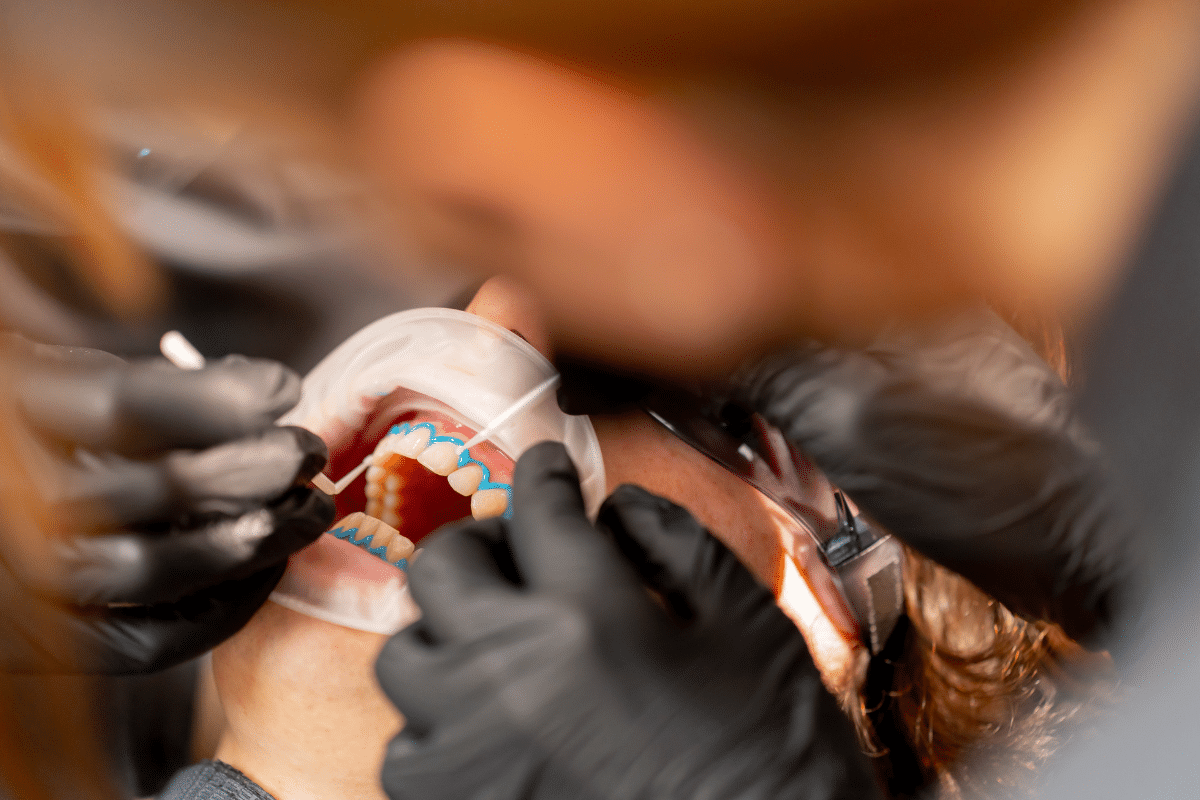
Professional whitening is one of the most popular options in cosmetic dentistry. It is not painful in the traditional sense. Some patients notice tooth sensitivity during or right after the treatment. This usually passes within 24 to 48 hours. If you already have sensitive teeth, your dentist can use a lower-concentration agent or apply a protective gel to reduce this effect.
Dental Bonding and Contouring
These are among the least invasive cosmetic treatments available. Bonding uses a tooth-colored resin to correct chips, cracks, or small gaps. Contouring gently reshapes enamel. Neither procedure typically requires anesthesia. Most patients report no discomfort at all.
Dental Veneers
Veneers involve removing a thin layer of enamel from the tooth surface before the shells are placed. This is done with local anesthesia, so you will not feel anything during the procedure. Some patients notice mild soreness for a day or two afterward. Standard over-the-counter pain relief is usually enough to handle it. Many people describe the process as no worse than a routine filling.
Clear Aligners
There are no injections or cutting involved with clear aligners. That said, each new tray applies gentle pressure to shift your teeth. Most patients feel some tightness or pressure for the first couple of days after switching to a new aligner. This is normal and expected. It means the treatment is working.
Dental Implants
Implants are a surgical procedure, so they involve a higher level of intervention than other cosmetic options. You will receive local anesthesia, and sedation is available if preferred. You should feel nothing during the actual procedure. Afterward, some swelling and soreness are common for a few days. Most patients say the post-procedure discomfort is much less than they expected. It responds well to prescribed or over-the-counter medication.
Gum Contouring
This procedure reshapes the gum line and is done under local anesthesia. You will not feel pain during treatment. There may be some tenderness and swelling in the days that follow, which usually settles quickly with proper aftercare.
How Your Dentist Keeps You Comfortable
Modern dental offices use several methods to prevent discomfort before it starts:
- Topical numbing gel before any injection
- Local anesthesia for procedures involving sensitive tissue
- Sedation dentistry for patients with anxiety or a low pain threshold
- Scheduled breaks during longer procedures
- Clear aftercare instructions to manage any sensitivity at home
If you feel anxious about dental treatment, mention it before your appointment. A good dental team will adjust the approach to fit your needs.
How to Prepare Before Your Appointment
A little preparation helps everything go more smoothly:
- Eat a light meal before your visit, especially if sedation is involved
- Tell your dentist about any medications you are currently taking
- Share your full medical history, including any known allergies to anesthetics
- Write down any questions you have. There are no silly questions when it comes to your health.
What Recovery Looks Like at Home
Most cosmetic procedures come with a short and simple recovery period. Whitening and bonding have essentially no downtime. Veneers and implants may involve a few days of mild sensitivity or soreness. Sticking to soft foods, avoiding very hot or cold drinks, and keeping up with gentle brushing will support healing.
If pain feels sharp or does not improve after several days, contact your dental office right away. That is exactly what follow-up care is for.
Frequently Asked Questions
1. Will I need anesthesia for cosmetic dental work?
It depends on the procedure. Whitening and bonding usually do not require it. Veneers, implants, and gum contouring typically use local anesthesia so you feel nothing during treatment.
2. How long does sensitivity last after whitening?
Most patients notice sensitivity for 24 to 48 hours. Using a sensitive toothpaste in the days leading up to your appointment can help reduce it.
3. Can I take pain medication before a cosmetic procedure?
Talk to your dentist first. Some over-the-counter options are fine, while others can affect bleeding, which matters for surgical treatments like implants. Your dentist will guide you on what is safe.
4. What if I have a low pain tolerance?
Let your dentist know before the procedure. Options like sedation dentistry, stronger numbing agents, and slower pacing can make a real difference for patients with dental anxiety or lower tolerance.
5. Is recovery after dental implants painful?
There is some soreness and swelling for a few days following implant surgery. Most patients manage it well with medication. Pain that does not ease after about a week should be checked by your dentist.
6. Do veneers cause sensitivity after placement?
Mild sensitivity to hot and cold is common for a few days. It usually settles on its own. If it lasts beyond a week, reach out to your dentist.
7. Are any cosmetic procedures completely pain-free?
Dental bonding, contouring, and clear aligner treatment are generally pain-free. Most patients also find whitening pain-free, though some experience temporary sensitivity.
8. What should I eat after a cosmetic dental procedure?
Soft foods are best for the first day or two after more involved treatments. Avoid very hot, cold, or crunchy foods until any sensitivity passes.
Making a Confident Decision About Your Smile
Pain should not stand between you and a smile you feel good about. Most cosmetic dental treatments today are far more comfortable than people expect. Knowing what each procedure involves helps you walk into your appointment prepared rather than anxious.
If you have been searching for a dentist near me who offers cosmetic services with a genuine focus on patient comfort, Lakewinds Dental Centre in Ludington, MI is here to help. We take the time to explain each step, answer every question, and make your visit as comfortable as possible.
Whether you are considering whitening, veneers, bonding, or implants, the cosmetic dentistry Ludington patients rely on is closer than you think. Schedule a consultation with Lakewinds Dental Centre to find the right treatment plan for your smile and your comfort level. You are also welcome to contact our Lakewinds Dental Centre office directly to speak with a team member about what to expect before your first cosmetic appointment.