

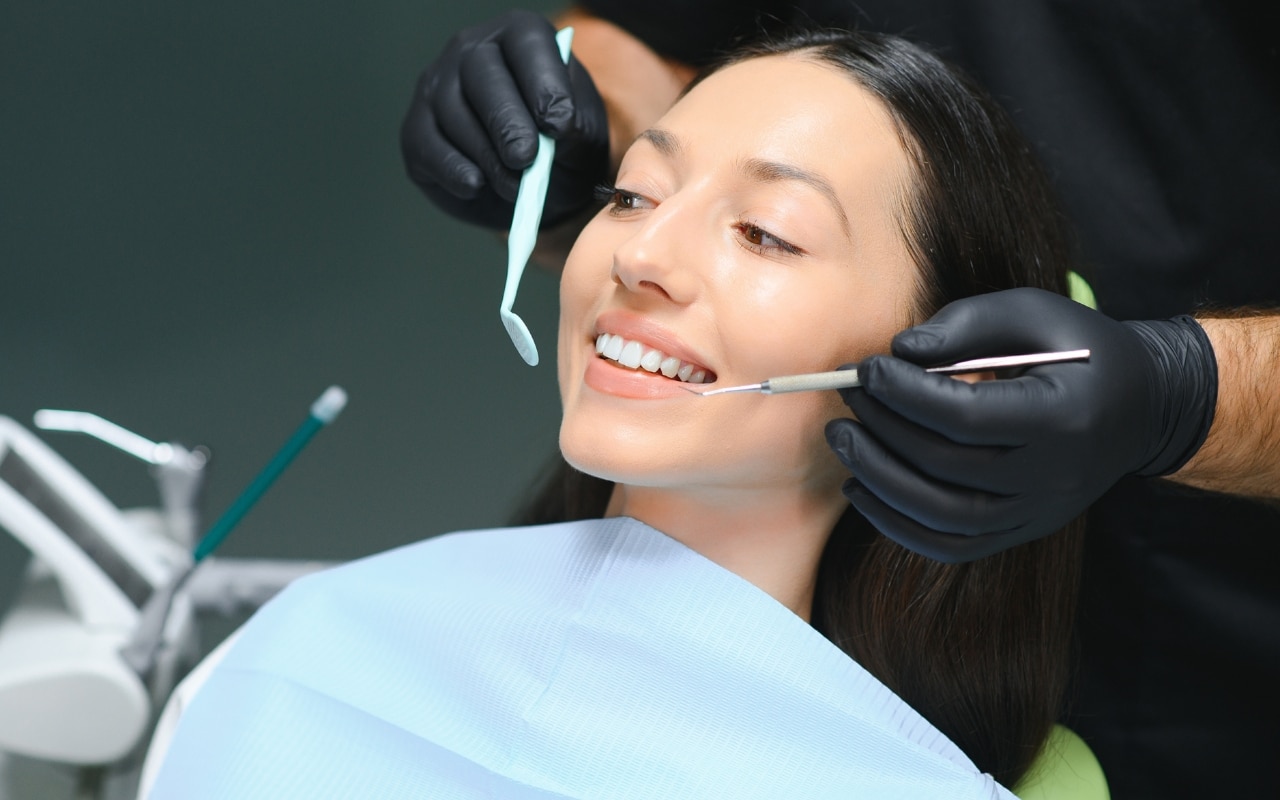
Cosmetic dentistry has advanced far beyond simply restoring teeth; it now draws inspiration directly from nature. Biomimicry, the practice of designing materials that imitate natural structures, is transforming dental care. Today’s cosmetic restorations don’t just look like natural teeth; they perform like them, too. Patients benefit from lifelike appearance, strength, and comfort that were once impossible to achieve.
What Is Biomimicry in Dentistry?
Biomimicry is the science of learning from nature and replicating its designs. In dentistry, it means creating materials that mimic the appearance, function, and durability of real teeth. This ensures that restorations blend seamlessly with surrounding teeth while also maintaining long-term performance.
Materials That Can Replicate Your Natural Teeth
Dentistry today isn’t just about filling gaps; it is about recreating nature with precision. Curious how modern materials achieve this? Read further to discover the innovations shaping today’s cosmetic solutions.
Porcelain and Ceramic Restorations
Porcelain and advanced ceramics are widely used for crowns, veneers, and bridges. These materials reflect light like natural enamel, giving restorations a translucent, realistic finish. Patients searching for a cosmetic dentist near me often choose ceramic solutions for their durability and natural aesthetics.
Composite Resins
Composite resins are engineered to replicate both the hardness and elasticity of natural teeth. They bond directly with tooth structure, making them ideal for fillings and cosmetic reshaping. The American Dental Association highlights its effectiveness for conservative treatment options.
Zirconia Restorations
It is renowned for its exceptional strength and ability to withstand bite forces. Despite its durability, it maintains a natural look, making it a popular choice in cosmetic dentistry Ludington for patients who want both resilience and beauty.
Enamel-like Nanomaterials
New nanomaterials are being developed that mirror enamel’s microscopic structure. These advanced materials resist wear and staining, offering patients long-lasting cosmetic improvements without sacrificing appearance.
Benefits of Biomimetic Materials
- Natural Appearance: Restorations that match neighboring teeth in color, shape, and texture.
- Durability: Strength that resists daily wear, chewing, and temperature changes.
- Comfort: Materials that feel natural, avoiding irritation or sensitivity.
- Conservation of Tooth Structure: Bonding techniques allow dentists to preserve more natural enamel.
For individuals searching for a cosmetic dentist near me, these advantages often make biomimetic solutions the preferred choice.
Common FAQs: Biomimicry in Cosmetic Dentistry
1. What makes cosmetic dental materials look natural?
Biomimetic materials reflect light, mimic enamel translucency, and match tooth color. This creates restorations that look seamless and lifelike, blending naturally with surrounding teeth for a smile that feels authentic.
2. Which cosmetic dental treatments use biomimetic technology?
Veneers, crowns, fillings, and implants often use biomimicry. Materials like porcelain, zirconia, and composites are designed to mirror natural tooth structure, offering durability, strength, and aesthetics for long-lasting cosmetic results.
3. Is zirconia better than porcelain for cosmetic dentistry?
Zirconia is stronger and ideal for back teeth, while porcelain provides superior translucency for front teeth. Dentists recommend based on placement and appearance, with both delivering biomimetic benefits.
4. How do cosmetic dentists match restorations to my natural teeth?
Dentists use shade guides, digital imaging, and layering methods. Biomimetic materials enhance the match, ensuring restorations replicate enamel’s natural translucency and color for results that look harmonious and realistic.
5. Does cosmetic dentistry last as long as natural teeth?
Biomimetic restorations can last decades with good care. Their strength and durability replicate natural teeth, but long-term success depends on oral hygiene, diet, and professional dental checkups.
6. Are biomimetic dental options covered by insurance?
Coverage varies. Restorative biomimetic treatments like crowns may be covered, while cosmetic veneers often are not. Always confirm with your insurance provider and contact your nearest dental clinic for details.
The Future of Natural-Looking Smiles Through Biomimicry
Biomimicry is reshaping cosmetic dentistry by offering materials that closely replicate the look and function of real teeth. From porcelain to zirconia and emerging nanomaterials, these options help maintain strength, comfort, and a natural appearance. As research advances, the future may even bring self-repairing restorations, further improving outcomes for patients.
If you are curious about whether biomimetic solutions are right for you, schedule a quick consultation to learn more. For personalized advice, always contact your nearest dental clinic to discuss the most suitable treatments available.