

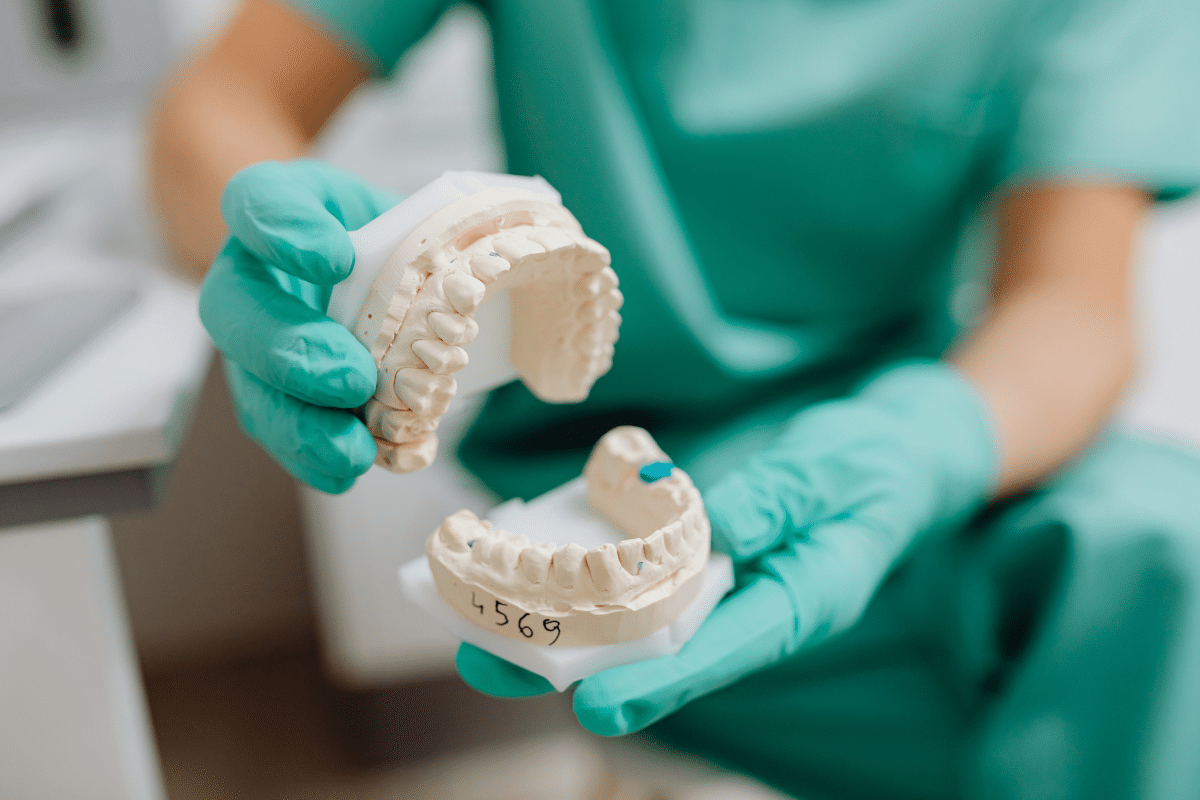
If you’ve been told you need a bone graft before getting dental implants, you’re not alone. Many patients hear this and feel a little nervous. But understanding what it is, why it’s needed, and what the process looks like can make the whole experience much less stressful.
This guide walks you through everything in plain, simple terms.
Why Bone Grafting Comes Up With Dental Implants
Dental implants need a solid base to hold onto. That base is your jawbone. When a tooth is missing for a while, the bone underneath starts to shrink. This is called bone loss, and it happens faster than most people expect.
If the bone isn’t thick or tall enough, an implant won’t have enough support to stay stable. That’s when a bone graft is recommended.
Here in the Ludington area, many patients looking for dental implants Ludington providers discover this issue only after their first consultation. The good news is that bone grafting is a well-established procedure with a strong success record.
What Is a Bone Graft, Exactly?
A bone graft adds material to your jaw to help it rebuild density and volume. Over time, your body fuses this material with your natural bone. Once healed, the jaw is strong enough to support an implant.
There are a few common types of graft material:
- Your own bone (taken from another area of your mouth or body)
- Donor bone (from a bone bank)
- Animal-derived bone (typically bovine)
- Synthetic materials
Your dentist will recommend the best option based on how much bone you’ve lost and your overall health.
The Bone Grafting Process, Step by Step
Step 1: Evaluation
Before anything else, your dentist takes X-rays or a 3D scan of your jaw. This shows exactly where bone loss has occurred and how much grafting is needed.
Step 2: The Procedure
Bone grafting is usually done under local anesthesia. You’ll feel pressure but not pain. The dentist opens the gum tissue, places the graft material, and closes the area back up. Most procedures take under an hour.
Step 3: Healing
This is the longest part. The graft needs time to integrate with your jawbone. Healing typically takes 3 to 9 months, depending on the amount of bone needed and how your body responds.
Step 4: Implant Placement
Once the graft has fully fused, your dentist moves forward with placing the implant. At that point, you’re on your way to a complete, functional smile.
What Recovery Actually Feels Like
Most patients are surprised by how manageable recovery is. Here’s what to expect in the days after the procedure:
- Mild to moderate swelling for 2 to 3 days
- Some soreness around the graft site
- Light bleeding that settles quickly
- Possible bruising near the jaw or cheek
Your dentist will prescribe pain relief and may recommend antibiotics to prevent infection. Sticking to soft foods for the first week helps the site heal without irritation.
Most people return to normal daily activities within 2 to 3 days. Heavy exercise and smoking should be avoided for at least a week, as both can slow healing.
Local Factors Worth Knowing
For residents of Ludington and nearby communities like Mason County, Scottville, Pentwater, and Baldwin, access to quality dental care has grown significantly in recent years. There are several dental practices in the region offering implant consultations.
That said, not all offices are equally equipped to handle complex cases. When searching for a dentist near me for implant work, it’s worth asking specifically about in-house bone grafting. Some practices refer this out, which can add time and cost to your treatment.
At Lakewinds Dental Centre, bone grafting and implant planning are handled under one roof. This means fewer appointments, better coordination, and a smoother experience from start to finish.
How to Know If You Need a Bone Graft
Not every implant patient needs one. A bone graft is typically needed when:
- A tooth has been missing for a year or more
- Gum disease has caused bone damage
- An extraction removed bone along with the tooth
- A previous implant failed
If you’ve had a tooth pulled recently and are considering implants soon after, your bone density may still be adequate. Timing matters, and your dentist can tell you where you stand after a quick scan.
Costs and What to Ask Your Insurance Provider
Bone grafts are often considered a separate procedure from the implant itself, which means they may or may not be covered depending on your plan. Many dental insurance policies cover a portion of the grafting cost when it’s medically necessary.
Before moving forward, ask your provider:
- Is bone grafting covered under my plan?
- What percentage is covered?
- Is there a waiting period?
- Do I need a referral or pre-authorization?
For patients in the Ludington area looking into dental implants Ludington costs, Lakewinds Dental Centre offers transparent pricing and can help review your insurance coverage before treatment begins.
Why Skipping a Needed Graft Is a Bad Idea
Some patients ask if they can just skip the graft and place the implant anyway. In most cases, this leads to implant failure. Without enough bone, the implant doesn’t fuse properly. It may loosen, shift, or need to be removed entirely.
A bone graft done right the first time protects your investment. Implants can last a lifetime when placed correctly. Cutting corners on the foundation is rarely worth it.
Finding the Right Provider Matters
Living in a smaller community means you have fewer options than someone in a large city. But fewer options doesn’t mean settling. When you search for a dentist near me for implants and bone grafting, look for a practice that:
- Offers in-house imaging (3D cone beam scans)
- Has experience with complex bone loss cases
- Provides a clear treatment timeline upfront
- Communicates openly about costs and recovery
Lakewinds Dental Centre serves patients across Mason County and the surrounding communities with this exact approach. Patients come from Scottville, Pentwater, Hart, and further out because they want care that’s thorough and local.
Frequently Asked Questions
- Is bone grafting painful?
The procedure itself is done under local anesthesia, so you won’t feel pain during it. Afterward, there’s soreness that usually peaks around day two and fades within a week. Most patients manage it well with over-the-counter pain relief.
- How long does the entire implant process take when a graft is needed?
From graft to final implant, the full timeline is typically 6 to 12 months. Most of that time is waiting for the graft to heal, not active treatment.
- Can I eat normally after a bone graft?
For the first week, soft foods are best. Think yogurt, mashed potatoes, scrambled eggs, and soup. After that, you can gradually return to a normal diet as the area heals.
- What happens if the graft doesn’t take?
In rare cases, the body doesn’t fully accept the graft material. Your dentist will monitor healing with follow-up X-rays. If there’s a problem, the area may need to be re-grafted before an implant can be placed.
- Are there age restrictions for bone grafting?
There’s no upper age limit. Older adults can and do receive bone grafts and implants successfully. The lower limit is typically the late teens, when jawbone development is complete.
- Is the graft from my own body better than donor material?
Using your own bone (autograft) has traditionally been considered the gold standard, but high-quality donor and synthetic materials perform very well. Your dentist will recommend what makes sense for your specific situation.
- What’s the difference between a socket graft and a sinus lift?
A socket graft fills the space left after a tooth extraction. A sinus lift adds bone to the upper jaw near the sinus cavity. Both are types of bone grafting, but they address different areas and have slightly different recovery timelines.
- Do I need a specialist, or can a general dentist do this?
Many experienced general dentists perform bone grafts as part of implant planning. More complex cases may involve an oral surgeon or periodontist. Either way, your provider should have clear experience with the procedure before you agree to treatment.
Conclusion: Taking the Next Step With Confidence
Bone grafting might sound like a big deal, but for most patients it’s a routine step toward a result that lasts a lifetime. Understanding the process takes away most of the fear, and finding the right provider takes away the rest.
If you’ve been told you need a graft, or if you’re just starting to explore your options for dental implants Ludington, getting a proper evaluation is the smartest first move you can make.
When you’re ready, contact us with your dental problems. Whether you’re coming from nearby or found us while searching for a dentist near me, our team will walk you through your options clearly, answer every question you have, and build a treatment plan that fits your life.