

If you’ve been looking into dental implants in Ludington, you’ve probably noticed that prices vary a lot. Some offers look almost too good to be true. Before you make any decisions, it helps to understand what’s actually behind those price differences.
This guide breaks it all down in plain, simple terms. No pressure, no dental jargon. Just honest information to help you make the right call for your smile and your health.
What Are Dental Implants?
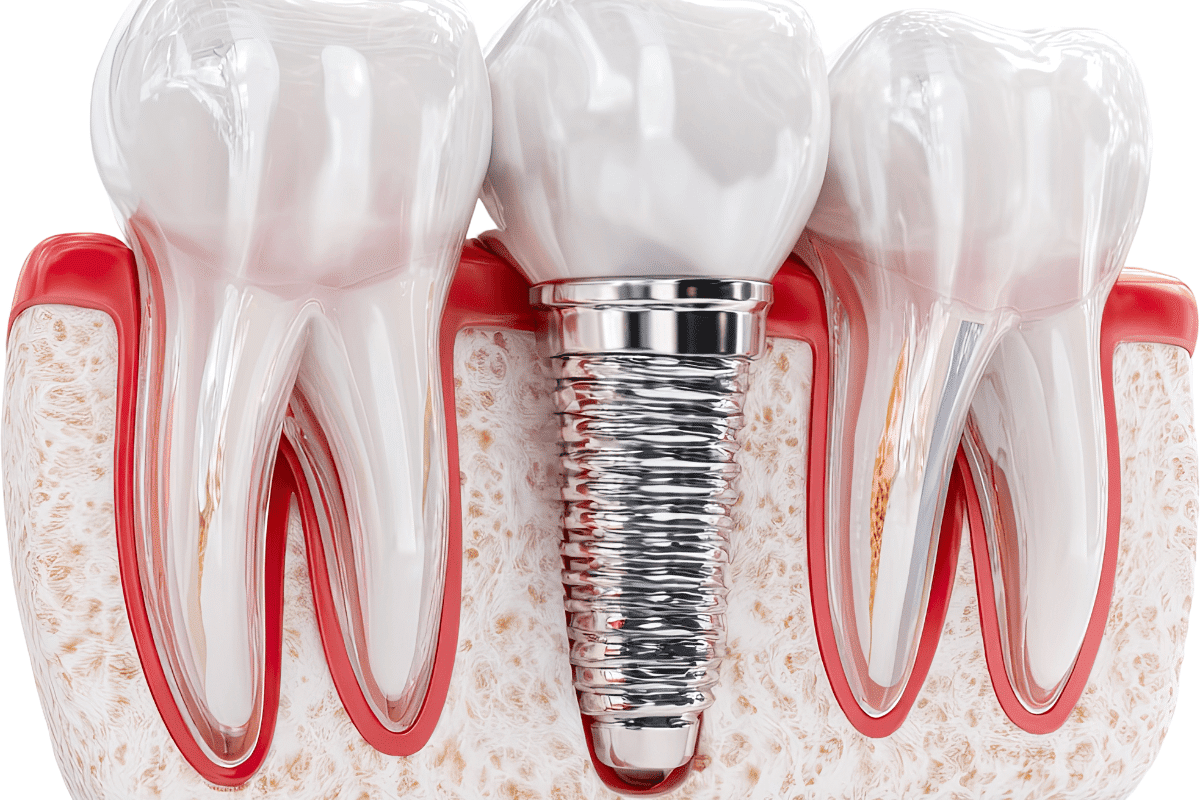
A dental implant is a small titanium post placed into your jawbone. It works like a root for your new tooth. Once it bonds with the bone, a crown is placed on top. The final result looks and works just like a natural tooth.
The success of the whole process depends on the quality of materials used, the skill of your dentist, and the care that goes into planning your treatment.
What’s the Real Difference Between Cheap and Premium Implants?
When you see a very low price for dental implants in Ludington or anywhere else, it’s worth asking what’s actually included in that price.
Materials
Cheap implants often use generic or unknown-brand titanium. Premium implants use medical-grade, FDA-cleared titanium from trusted manufacturers with proven safety records.
Crown Quality
Budget options often come with low-grade ceramic or acrylic crowns that can chip, discolor, or break within a few years. Premium crowns are usually made from zirconia or high-quality porcelain. They look more natural and hold up much longer.
Imaging and Planning
A proper implant procedure starts with 3D scans of your jaw. This allows the dentist to choose the right size, angle, and position for the best result. Many low-cost providers skip this step to cut costs, and that’s one of the main reasons budget implants fail more often.
Dentist Experience
Implant placement is a surgical procedure. The experience of the person placing your implant matters. A trained implant dentist will catch potential problems early and handle complications correctly.
Aftercare
Premium implant providers include follow-up visits as part of the process. With cheaper options, aftercare is often limited or billed as extra.
Why Cheap Implants Often Cost More Over Time
It’s easy to go with the lowest price, especially when dental work isn’t covered by insurance. But budget implants carry real risks that aren’t always obvious upfront.
Common problems with low-cost implants:
- The implant fails to bond with the bone and needs to be removed
- Infection develops due to poor placement or low-grade materials
- The crown breaks or discolors within a few years
- Bone loss continues because the implant wasn’t placed correctly
- Revision surgery becomes necessary, adding more cost and discomfort
When an implant fails, fixing it usually costs more than a quality implant would have in the first place. This is why so many patients who start with a bargain end up spending more in the long run.
A Note on Traveling for Cheaper Implants
Some patients travel out of state or even abroad for lower-cost implants. While this can work out in some cases, follow-up care becomes complicated. If something goes wrong, getting it corrected locally adds expense and stress. Staying local means your dental team can monitor your healing properly at every stage.
What Makes a Premium Implant Worth the Price?
Premium implants are not just about better materials. They reflect a full system of care that starts before the procedure and continues well after it.
Proven Materials With a Track Record
High-quality implants come from manufacturers with years of clinical data behind them. These materials are tested for biocompatibility and durability. They are built to last.
Careful Planning Before You Ever Sit in the Chair
3D cone beam imaging gives your dentist a clear view of your jawbone structure before anything is placed. This level of planning reduces risk and improves long-term outcomes.
Experienced Hands
A dentist who has placed hundreds of implants brings a level of skill and confidence that directly affects your results. Training, continuing education, and hands-on experience all play a role in how well your implant performs.
Signs You’re Choosing the Right Dental Provider
Whether you’re researching dental implants in Ludington or just getting started, here are some things to look for in any dental practice you consider.
- They offer a thorough consultation and explain every step clearly
- They use 3D imaging or digital X-rays before any procedure
- They review your full medical history
- They explain all costs upfront with no hidden fees
- They have patient reviews or before-and-after cases available
- They provide a clear aftercare plan with included follow-up visits
What This Means for Patients in This Area
Here in Ludington, MI and the surrounding Mason County communities, including Scottville, Pentwater, and the Hamlin Lake area, access to quality dental care matters just as much as it does anywhere else.
Many people assume they need to drive hours to Grand Rapids or Lansing for advanced dental work. That’s not the case. Finding a trusted dentist near me is not just a search term. It represents a real need for local, reliable care without the long drive or the uncertainty that comes with unfamiliar providers.
At Lakewinds Dental Centre, the focus is on giving every patient a clear picture of their options and a treatment plan built around their specific needs.
How to Make the Right Decision
There’s no single right answer for every patient. The best choice depends on your bone health, overall health, how many teeth need replacing, and your personal priorities. A proper consultation is the only way to get a plan that works for your situation.
What is clear is that the cheapest option is not always the smartest one, and the most expensive isn’t automatically the best either. What matters most is that the practice you choose is transparent, experienced, and focused on your long-term health.
If you’ve been using “dentist near me” to look for implant options, take the next step and look at the credentials, technology, and care each practice actually offers. That’s where the real difference shows up.
Frequently Asked Questions
1. How long do dental implants last?
With proper care, high-quality dental implants can last 20 to 25 years or more. The crown may need replacement after 10 to 15 years depending on wear. Cheaper implants tend to fail sooner, often within 5 to 10 years.
2. Are dental implants painful?
Most patients find the procedure less uncomfortable than they expected. Local anesthesia is used during placement. Some soreness and swelling in the days after is normal and easy to manage with over-the-counter pain relief.
3. Does dental insurance cover implants?
Coverage varies by plan. Some policies cover part of the cost, often the crown rather than the implant post. It’s worth checking directly with your provider. Many dental offices also offer financing options to help spread the cost.
4. Am I a good candidate for dental implants?
Most healthy adults qualify. You need enough bone density in your jaw, healthy gums, and no uncontrolled health conditions. A thorough exam and imaging will confirm whether implants are the right option for you.
5. How many implants do I need for multiple missing teeth?
It depends on how many teeth are missing and where they are. A single implant replaces one tooth. For multiple missing teeth, implant-supported bridges or full-arch solutions can replace several teeth using fewer implants. Your dentist will recommend the most practical approach for your case.
6. What’s the difference between a dental implant and a bridge?
A bridge uses the teeth on either side of the gap as anchors. An implant stands on its own inside the jawbone. Implants are usually preferred because they protect bone and don’t affect neighboring teeth. Bridges can work well when implants aren’t a fit.
7. How do I care for my implants after the procedure?
Care for implants the same way you care for natural teeth. Brush twice a day, floss around the implant, and keep up with regular dental checkups. Avoiding hard foods during the healing phase also helps. Good daily habits have a big impact on how long your implant lasts.
8. What happens if a dental implant fails?
Implant failure is uncommon when quality materials and proper placement are used, but it can happen. Signs include pain, swelling, or a loose feeling. If caught early, some cases can be corrected. In others, the implant may need to be removed and the area allowed to heal before trying again.
Ready to Find Out What’s Right for You?
Choosing a dental implant is a long-term investment in your health and your confidence. The difference between cheap and premium implants comes down to materials, planning, skill, and the level of care you receive throughout the whole process.
When you’re ready to get clear answers and a plan built around your needs, schedule a consultation with Lakewinds Dental Centre. We’ll walk you through every option without pressure or confusion. You can also contact our Lakewinds Dental Centre office directly to speak with a team member and get your questions answered before you even book an appointment.