

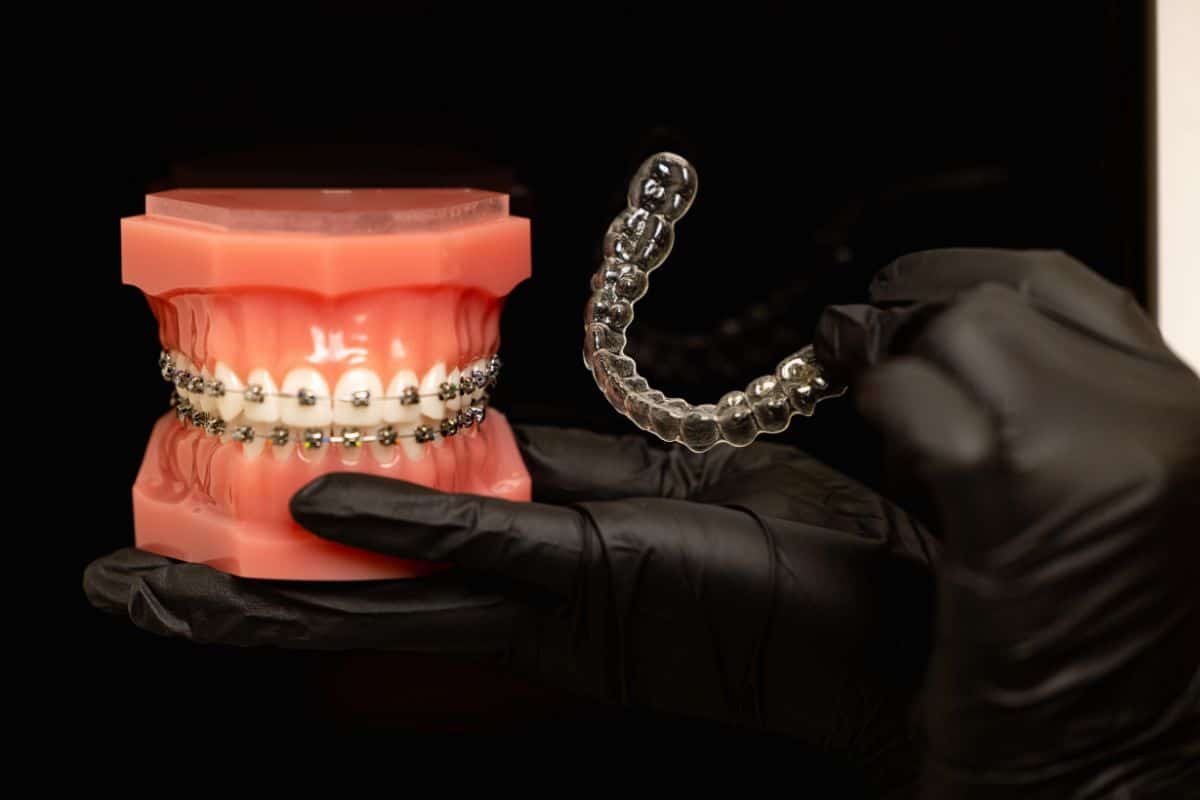
Hey there! Ever caught a glimpse of your smile in the mirror and thought, “Hmm, could be straighter?” You’re not alone! Millions of Americans consider orthodontic treatment each year to achieve that confident, picture-perfect grin. But when it comes to straightening your teeth, the options can feel a bit overwhelming. The two big contenders? Good old traditional braces and the sleek, almost invisible Invisalign.
Choosing between them is a pretty personal decision, and what works wonders for your neighbor might not be the best fit for you. That’s why we’re diving deep into the world of braces and Invisalign, armed with some interesting stats and facts, to help you figure out which path might lead you to your dream smile. So, buckle up (pun intended!), and let’s explore the pros and cons of each!
The Time-Tested Power of Braces
Traditional braces have been the go-to for teeth straightening for decades, and for good reason – they’re incredibly effective for a wide range of orthodontic issues. These trusty appliances consist of metal brackets bonded to your teeth and connected by wires, which your orthodontist periodically adjusts to gradually shift your teeth into the desired positions.
The Stats Say: According to the American Association of Orthodontists (AAO), in 2022, approximately 3.9 million people in the U.S. and Canada were undergoing orthodontic treatment. While the AAO doesn’t break down the exact percentage of braces versus Invisalign users, traditional braces remain a widely used and reliable method, especially for more complex cases.
The Upsides:
- Versatility: Braces can handle virtually any alignment issue, from severe crowding and spacing to complex bite problems.
- Predictability: Orthodontists have a long history and deep understanding of how teeth respond to the forces applied by braces, leading to predictable outcomes.
- No Removability Worries: Since they’re fixed, you don’t have to worry about remembering to wear them or losing them. This can be particularly beneficial for younger patients.
- Cost-Effectiveness (Sometimes): In some cases, especially for simpler treatments, traditional metal braces might be slightly more affordable than Invisalign.
The Downsides:
- Visibility: Let’s face it, metal braces are noticeable. While ceramic brackets offer a more discreet option, they are still visible.
- Dietary Restrictions: Say goodbye to sticky and hard foods that can damage the brackets and wires.
- Maintenance: Thorough brushing and flossing can be more challenging with braces, requiring special tools and extra time.
- Potential Discomfort: Adjustments can sometimes lead to temporary soreness.
The Modern Magic of Invisalign
Invisalign offers a more aesthetically pleasing alternative using a series of clear, custom-made aligners that gradually shift your teeth. These aligners are removable, offering more flexibility in your daily life.
The Stats Say: The popularity of Invisalign has surged in recent years. Align Technology, the makers of Invisalign, reported shipping approximately 10.2 million cases in 2023 globally, indicating a significant adoption of clear aligner therapy. While not all these cases are in the US, it highlights the growing demand for this discreet treatment option.
The Upsides:
- Discreet Appearance: The biggest draw for many is the near invisibility of the aligners.
- Removability: You can take them out to eat, drink, brush, and floss normally, offering more freedom and better oral hygiene.
- Comfort: Many patients find the smooth plastic aligners more comfortable than metal brackets and wires.
- Fewer Orthodontist Visits (Potentially): While regular check-ups are still necessary, some Invisalign treatments may require fewer in-office adjustments.
The Downsides:
- Compliance is Key: Invisalign only works if you wear the aligners for the recommended 20-22 hours per day. Patient compliance is crucial for successful treatment.
- Not Suitable for All Cases: While Invisalign can treat many orthodontic issues, complex cases might still require traditional braces.
- Cost: Invisalign can sometimes be more expensive than traditional metal braces, although the cost difference is narrowing.
- Attachments: Small, tooth-colored attachments may be needed on your teeth to help the aligners grip and move your teeth effectively, making them slightly more noticeable.
Making the Right Choice for You
Ultimately, the best option between braces and Invisalign depends on your individual needs, the complexity of your orthodontic issues, your lifestyle, your budget, and your personal preferences.
Here are a few questions to consider:
- How important is the appearance of your orthodontic treatment to you?
- Are you disciplined enough to wear removable aligners for the required hours each day?
- What is your budget for orthodontic treatment?
- How complex are your teeth alignment issues?
The Takeaway
The best way to determine which orthodontic treatment is right for you is to schedule a consultation with an orthodontist. They can evaluate your specific situation, discuss your options, and help you make an informed decision that will lead you to that confident smile you’ve been dreaming of. So, what are you waiting for? Your journey to a straighter smile starts now!