

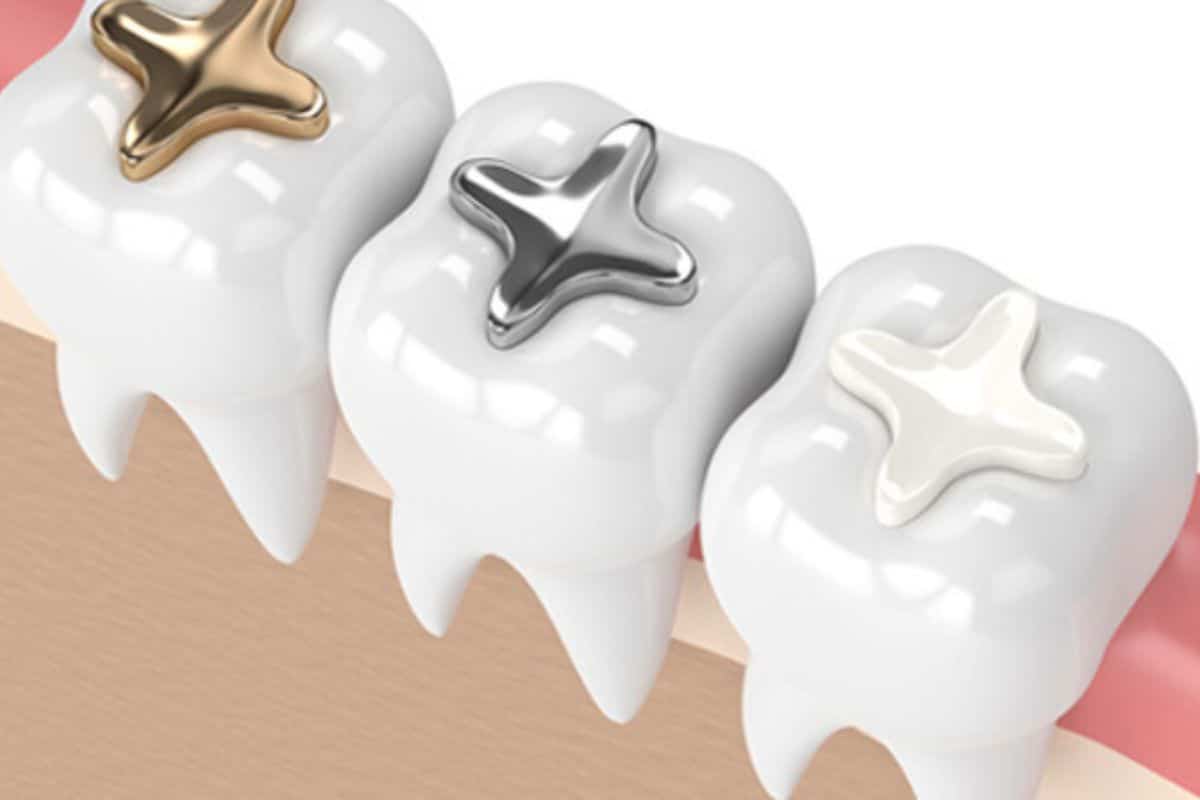
No one wants to deal with a damaged tooth, but when it happens, choosing how to fix it can be overwhelming. You might wonder whether composite or silver fillings are the right fit. Being concerned about safety, durability, or appearance is genuine. Making the wrong choice can mean discomfort, repeated procedures, or an appearance you dislike. Understanding the differences between these two options is key to avoiding regret. The goal here is simple: giving you clear, useful information to help you make the best decision. So, let us break it down without unnecessary confusion.
Understanding Composite And Silver Fillings For Improving Your Smile
What Are Composite Fillings?
Composite fillings are made from a blend of resin and glass. Their biggest advantage is their ability to blend seamlessly with natural teeth. They are commonly used in areas that are visible when you talk or smile. Aside from their natural look, they bond well with the surface, reducing the chances of further damage.
What Are Silver Fillings?
Silver fillings, also known as amalgam, contain a mixture of metals such as mercury, tin, and copper. These have been widely used for decades due to their exceptional durability. They are commonly placed in molars since they can handle strong chewing forces without breaking down quickly.
How Do They Help?
Both types serve the same purpose—restoring teeth affected by decay, cracks, or other damage. They prevent further deterioration and bring back functionality, allowing you to chew comfortably. The key difference lies in their material, appearance, and longevity. Choosing the right one depends on what matters most to you: strength, aesthetics, or long-term reliability.
Key Differences: Which One Is Right For You?
Material Composition
Composite fillings use resin and glass for a natural appearance, while silver fillings consist of a mix of metals, making them more noticeable.
Durability And Longevity
Silver fillings last longer, often over a decade, because they resist wear better. Composite fillings may wear down faster, especially under heavy pressure.
Aesthetic Appeal
Composite fillings blend with natural teeth, making them nearly invisible. Silver fillings stand out due to their metallic color.
Health and Safety Concerns
Silver fillings contain mercury, which some people prefer to avoid. Composite fillings are mercury-free, offering an alternative for those distressed about metal exposure.
Usage Based On Location
For visible teeth, tooth-colored fillings are often the preferred choice. Silver fillings are typically used for molars, where durability is a priority.
Longevity And Care Considerations
Durability Over Time
Silver fillings have a strong track record for lasting many years without significant wear. Composite fillings, while reliable, may need replacement sooner if subjected to heavy pressure or grinding.
Potential Changes in Structure
Over time, silver fillings can expand, potentially leading to minor cracks in the surrounding tooth. Composite fillings, though more flexible, may wear down more quickly in certain conditions.
Proper Maintenance For Lasting Results
Maintaining either type requires good oral hygiene. Regular brushing, flossing, and mindful eating habits help prolong their effectiveness and keep your restored teeth in optimal condition.
Making The Right Decision For Your Oral Care
Choosing between composite and silver fillings depends on what matters most to you. If you want something that blends in, tooth-colored fillings are the way to go. Contrastingly, if you need something long-lasting and strong, silver might be a better fit. Each option has advantages, so the decision comes down to personal preference and priorities.
Knowing what works best for your needs helps you avoid future regret.
Still in a dilemma? We can help. At Lakewinds Dental Centre in Ludington, we will thoroughly evaluate your dental health and suggest the best treatment for your lifestyle. Book Now!