

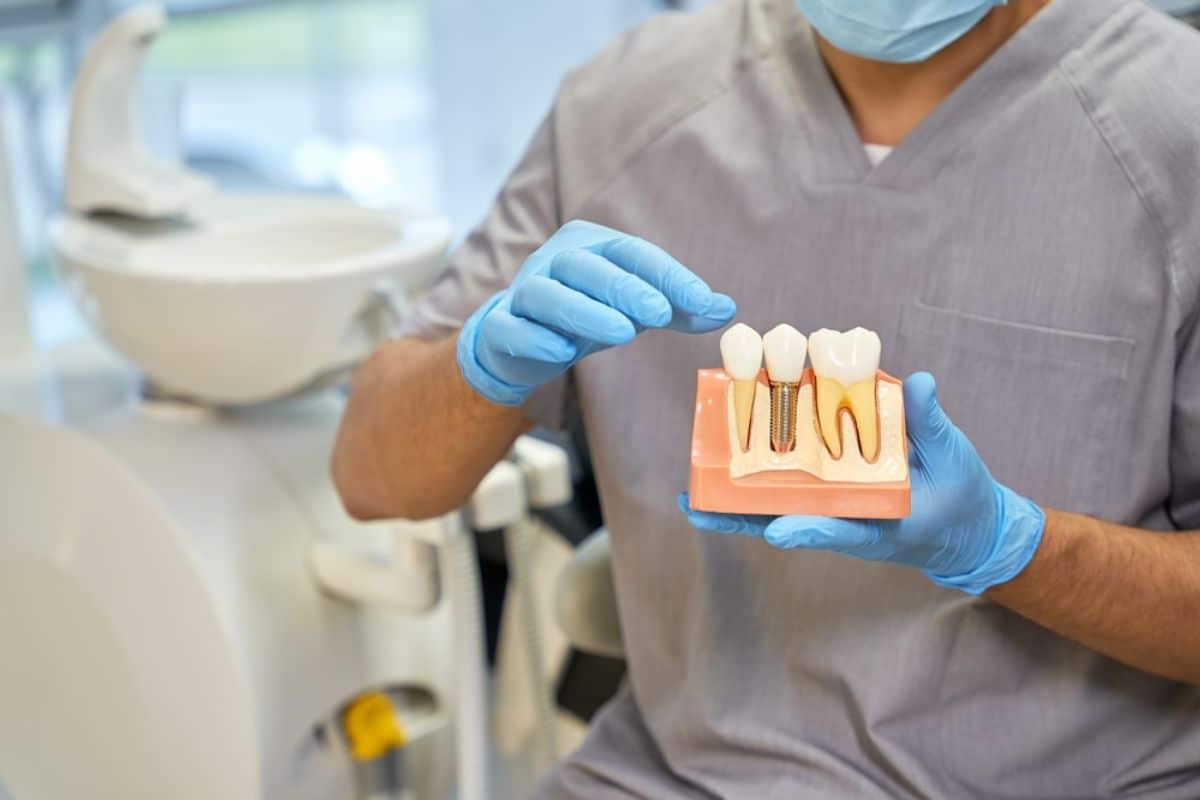
Hey there, friend! Ever felt that little pang of self-consciousness when you smile, maybe because of a missing tooth? You’re not alone. Millions of Americans deal with tooth loss, and if you’re exploring your options, you’ve probably heard about dental implants. They’re often touted as the gold standard, but is that the case? Let’s dive into the facts and figures to see if dental implants truly reign supreme when it comes to replacing missing teeth.
The Rise of the Implant
Dental implants have gained significant traction over the years. According to the American Academy of Implant Dentistry (AAID), over 3 million Americans have dental implants, and that number is steadily growing by about 500,000 each year. This surge in popularity isn’t without reason. Implants offer a unique advantage: they replace the entire tooth structure, from root to crown.
How Do Implants Stack Up?
To truly understand if implants are the “best,” we need to compare them to other common solutions for missing teeth: dentures and bridges.
- Osseointegration: The Implant Advantage: One of the key factors that sets implants apart is a process called osseointegration. This is where the titanium implant post fuses directly with your jawbone, creating a stable and permanent foundation, much like a natural tooth root. Studies published in the Journal of Oral Implantology consistently show high success rates for osseointegration, often exceeding 95% over 10 years. This stability contributes to the longevity and functionality of dental implants.
- Bone Health Matters: When a tooth is lost, the jawbone in that area can begin to deteriorate due to a lack of stimulation. Dentures and bridges don’t address this issue. In contrast, dental implants stimulate the jawbone through chewing, helping to prevent bone loss. Research in the International Journal of Oral & Maxillofacial Implants highlights the significant bone preservation benefits associated with dental implants compared to other tooth replacement options.
- Aesthetics and Functionality: Let’s be honest, how your replacement tooth looks and feels is crucial. Dental implants are designed to closely mimic the appearance and function of natural teeth. They allow you to eat, speak, and smile with confidence, without the slippage or discomfort sometimes associated with dentures. A survey by the American College of Prosthodontists (ACP) found that patients with implant-supported restorations reported higher satisfaction levels with their ability to chew and their overall quality of life compared to those with traditional dentures.
- Durability and Longevity: While the upfront cost of dental implants can be higher than other options, their durability can make them a cost-effective long-term solution. With proper care, dental implants can last for decades, even a lifetime. In contrast, dentures and bridges typically require replacement every 5 to 15 years. This longevity is supported by numerous long-term studies, such as those published in the Journal of Prosthodontics, which demonstrate the long-term success and survival rates of dental implants.
Are There Any Downsides?
While the benefits of dental implants are compelling, it’s important to consider potential drawbacks:
- Budget: The initial investment for dental implants can be significant, according to the American Dental Association (ADA). This can be a barrier for some individuals.
- Surgical Procedure: Implant placement requires a surgical procedure, which involves some recovery time and potential risks, although these are generally low.
- Time Commitment: The entire implant process, from initial consultation to final restoration, can take several months.
- Not Everyone is a Candidate: Sufficient bone density and good overall health are necessary for successful implant placement.
The Verdict
So, are dental implants the best solution for missing teeth? Based on the evidence, they certainly offer significant advantages in terms of stability, bone health, aesthetics, and long-term durability. The high success rates and patient satisfaction reported in various studies underscore their effectiveness.
However, the “best” solution ultimately depends on individual needs, budget, and health conditions. While implants offer a superior long-term outcome for many, dentures and bridges still serve as viable options for others.
Your Next Step
If you’re considering replacing missing teeth, talking to your qualified dentist in Ludington is the most crucial step. They can assess your situation, discuss all available options, and help you determine the best solution for your smile and overall well-being. Don’t let missing teeth hold you back – explore your options and take the first step towards a confident, complete smile!