

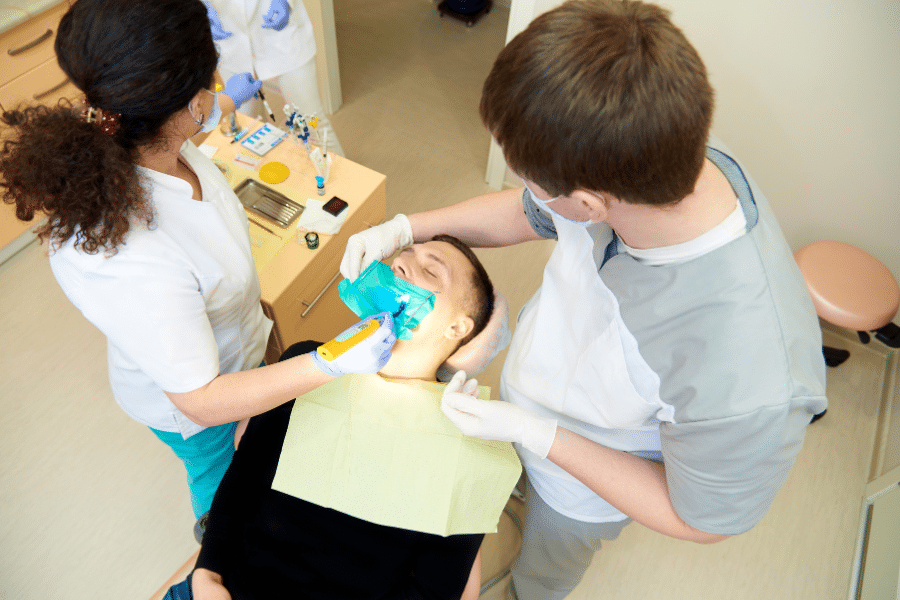
Sports are good for your body and your mind. But they come with risks, and one of the most overlooked risks is dental injury. Whether it’s a knocked-out tooth on the basketball court or a cracked molar from a collision during soccer, dental injuries happen more often than people realize. In fact, studies show that sports-related dental injuries account for nearly one-third of all dental trauma in children and adults. If you live in the Ludington area and play sports regularly, knowing how to protect your teeth is just as important as wearing the right shoes.
A local dentist Ludington can be your first resource when it comes to building a solid dental protection plan. Many people only visit a dentist after something goes wrong. The smarter move is to get ahead of the problem before it starts.
Why Dental Injuries in Sports Are More Common Than You Think
Most people think about broken bones or sprained ankles when it comes to sports injuries. Teeth rarely come to mind until one gets knocked out. Contact sports like football, hockey, basketball, and wrestling carry the highest risk. But even non-contact activities like cycling, gymnastics, and skateboarding lead to mouth injuries regularly.
Common dental injuries in sports include:
Knocked-out teeth (avulsion), chipped or cracked teeth, soft tissue cuts inside the mouth, jaw fractures, and injuries to the root of the tooth.
Children and teenagers are especially at risk because their teeth are still developing. Adults who play recreational sports often skip protective gear, which raises their risk too.
The Role of Sports Dentistry
Sports dentistry is a specialized area of dental care that focuses on preventing and treating oral injuries that happen during physical activity. A sports dentist doesn’t just fix broken teeth. They work with patients to create custom protection plans, fit mouthguards, and provide education on what to do when injuries happen.
If you’re searching for a dentist near me who understands sports-related dental care, it’s worth asking about their experience with athletes. Not every dental office offers this level of specialized attention, but many general dentists in Ludington have the training and tools to help.
How to Prevent Sports Dental Injuries
Prevention is the most effective strategy. Here’s what works:
Wear a Mouthguard
A mouthguard is the single most important piece of gear for protecting your teeth during sports. There are three types: stock mouthguards (generic, cheap, and least effective), boil-and-bite mouthguards (better fit, available at most stores), and custom-fitted mouthguards made by a dentist.
Custom mouthguards made by a dentist Ludington offer the best protection. They are shaped to your exact bite, which means they stay in place better and protect your teeth more effectively than anything you buy off a shelf.
Wear a Helmet With a Face Shield
For sports like hockey, football, and baseball, helmets with face shields add a layer of protection that mouthguards alone can’t provide.
Know the Rules of Your Sport
Following the rules reduces the chance of collisions and unexpected contact. Proper technique in sports like wrestling and martial arts also protects the jaw and mouth area.
Regular Dental Checkups
Getting regular dental exams means any weak or damaged teeth get treated before they become a serious problem during a game. A dentist can identify issues you might not notice on your own.
What to Do When a Dental Injury Happens
Acting fast matters. Here’s a simple guide for common situations:
Knocked-Out Tooth
Pick up the tooth by the crown (the top part), not the root. Rinse it gently with clean water. Try to place it back into the socket if possible. If you can’t, keep it in a container of milk or between your cheek and gum. Get to a dentist within 30 minutes for the best chance of saving it.
Chipped or Cracked Tooth
Rinse your mouth with warm water. Apply a cold pack to reduce swelling. Save any broken tooth pieces. Visit your dentist as soon as possible.
Soft Tissue Injury
Rinse with salt water. Apply gentle pressure with clean gauze to stop bleeding. If bleeding doesn’t stop within 15 minutes, go to an emergency room.
If you’re in the Ludington area, search for a dentist near me who offers emergency dental care. Having a dentist’s contact information saved on your phone before an injury happens is a smart habit.
Sports Dentistry and Kids: A Special Focus
Parents in Ludington and surrounding communities like Mason County and Scottville often ask about protecting their children’s teeth during sports. The answer is simple: start early. Children as young as 6 can wear a custom mouthguard. Youth sports leagues, school teams, and community recreation programs all benefit from parents who take dental protection seriously.
Talk to your child’s dentist about the right mouthguard fit, how often to replace it, and how to clean it properly. A mouthguard that doesn’t fit well is almost as bad as no mouthguard at all.
Treatment Options for Sports Dental Injuries
Modern dentistry has made it possible to repair most sports-related dental injuries with great results. Common treatments include:
Dental bonding for small chips and cracks, crowns for severely damaged teeth, root canal therapy when the inner nerve of the tooth is affected, dental implants or bridges for missing teeth, and splinting for teeth that are loose but still in place.
The key is getting treatment quickly. Delays can turn a simple fix into a complicated procedure. A trusted dentist Ludington can walk you through your options based on the type and severity of the injury.
Frequently Asked Questions
1. Do mouthguards really prevent dental injuries?
Yes. Studies show mouthguards reduce the risk of dental injury by up to 60 times during sports activity.
2. How often should I replace my mouthguard?
Custom mouthguards typically last 1 to 2 years with regular care. Replace it sooner if it shows signs of wear or damage.
3. Can a knocked-out adult tooth be saved?
In many cases, yes, if you act within 30 minutes and visit a dentist right away.
4. Are custom mouthguards worth the cost?
Custom mouthguards fit better, protect more effectively, and last longer than store-bought ones. Most patients find them worth the investment.
5. What sports carry the highest dental injury risk?
Hockey, football, basketball, baseball, and martial arts carry the highest risks. But any sport involving speed, contact, or falling poses a risk.
6. Should children wear mouthguards even for non-contact sports?
It’s a good idea for any sport where falling or contact with equipment is possible, including gymnastics and cycling.
7. How do I find a dentist near me who specializes in sports dentistry?
Ask local dental offices about their experience treating sports-related injuries and whether they offer custom mouthguard fittings.
8. Can I go to a regular dentist for a sports dental injury?
Most general dentists can handle common sports injuries. In more severe cases, they may refer you to an oral surgeon or specialist.
Conclusion
Dental injuries in sports are serious but largely preventable. The right gear, the right habits, and the right dental care team make a real difference. Whether you’re a weekend warrior, a student athlete in Mason County, or a parent watching your child play little league, protecting your teeth should be part of your sports routine.
If you’re in the Ludington area and want to make sure your smile is protected before the next game, reach out to a qualified dentist Ludington who can assess your needs and fit you with proper protection. Don’t wait for an injury to take the next step. Schedule a consultation with a local dental office today. A simple visit can save you from pain, time, and costly treatment down the road. Search for a dentist near me in the Ludington area and take action while your smile is still in great shape.