

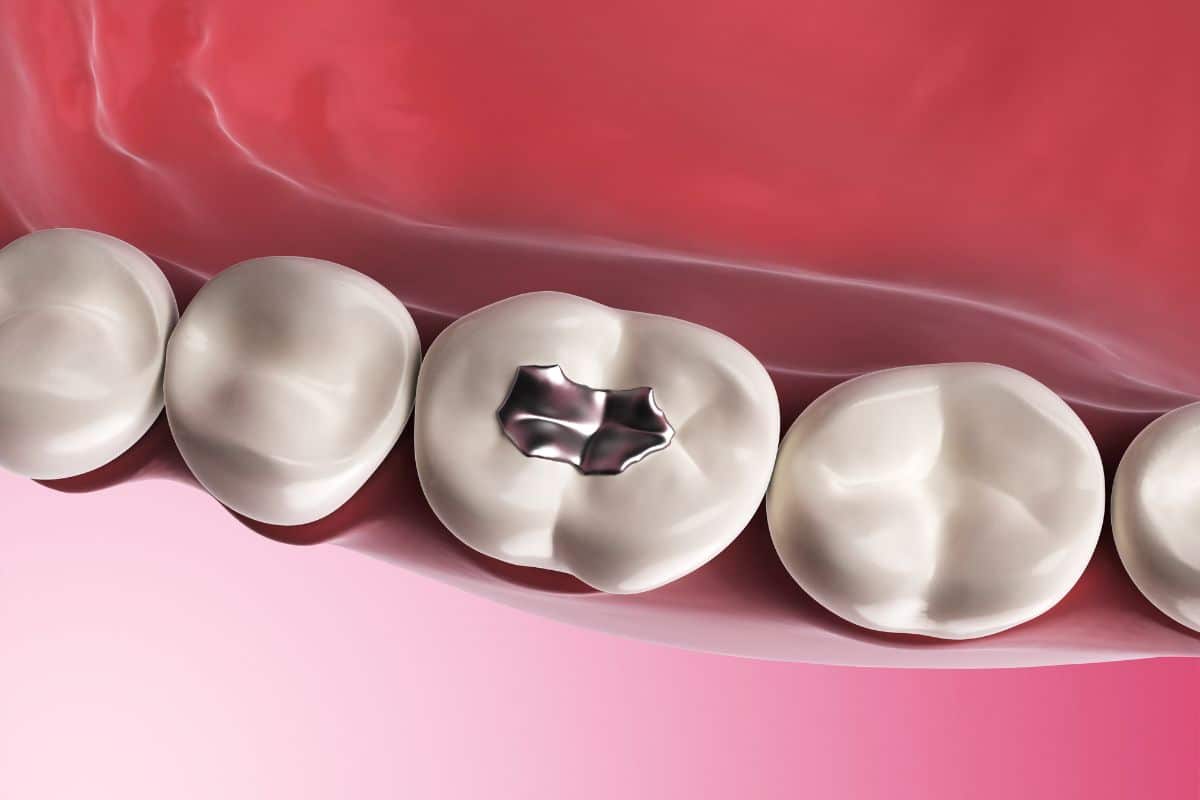
Dental fillings are one of the most common and effective treatments in modern dentistry. They play a crucial role in maintaining oral health by restoring damaged teeth and preventing further decay. Let’s explore how dental fillings contribute to maintaining a healthy smile and why they are an essential part of oral care.
What Are Dental Fillings?
Dental fillings are materials used to repair and restore the function, integrity, and morphology of missing tooth structures resulting from decay or external trauma. Common materials used for fillings include composite resin, amalgam, gold, and porcelain. Each material has its own benefits and is chosen based on the specific needs of the patient.
The Role of Dental Fillings in Oral Health
1. Stopping the Progression of Decay
Cavities are caused by bacterial activity that breaks down the enamel and dentin of a tooth. If left untreated, this decay can progress, leading to more severe dental issues, including infections and tooth loss. Dental fillings halt this process by removing the decayed portion of the tooth and filling the cavity, preventing further decay and protecting the tooth from future damage.
2. Restoring Tooth Function
A decayed or damaged tooth can impair your ability to chew and speak properly. By filling the cavity, the tooth’s structure and function are restored, allowing you to eat and speak without discomfort or difficulty. This restoration is crucial for maintaining overall oral health and ensuring that your teeth work together harmoniously.
3. Preventing Tooth Sensitivity
Cavities can expose the inner layers of the tooth, leading to increased sensitivity to hot, cold, and sweet foods and drinks. Dental fillings cover these exposed areas, reducing sensitivity and allowing you to enjoy your favorite foods and beverages without pain.
4. Protecting Adjacent Teeth
When a tooth is decayed, it can harbor bacteria that may spread to neighboring teeth, leading to additional cavities. By filling the decayed tooth, the risk of spreading decay to adjacent teeth is minimized, helping to protect your entire mouth from further dental issues.
5. Enhancing Aesthetic Appeal
Modern dental fillings, particularly composite resin fillings, are designed to match the color of your natural teeth, making them virtually invisible. This ensures that your smile remains attractive and natural-looking, boosting your confidence and overall well-being.
6. Maintaining Tooth Alignment
When a tooth is damaged or lost due to decay, the neighboring teeth can shift into the empty space, leading to misalignment and bite issues. Dental fillings help maintain the proper alignment of your teeth by preserving the structure and preventing unnecessary movement.
How to Care for Dental Fillings
To ensure the longevity of your dental fillings and maintain optimal oral health, follow these simple tips:
- Practice Good Oral Hygiene: Brush your teeth at least twice a day and floss daily to remove plaque and prevent decay around the fillings.
- Regular Dental Check-ups: Visit your dentist regularly for check-ups and cleanings. Your dentist can monitor the condition of your fillings and address any potential issues early.
- Avoid Hard Foods: Avoid chewing on hard foods and objects like ice, hard candies, and pens, which can damage or dislodge fillings.
- Limit Sugary Foods and Drinks: Reduce your intake of sugary foods and beverages, which can contribute to tooth decay.
Conclusion
Dental fillings are a vital component of maintaining oral health. They stop the progression of decay, restore tooth function, reduce sensitivity, protect adjacent teeth, enhance aesthetic appeal, and maintain proper tooth alignment. By practicing good oral hygiene and visiting your dentist regularly, you can ensure that your dental fillings remain in excellent condition, contributing to a healthy, beautiful smile for years to come.