

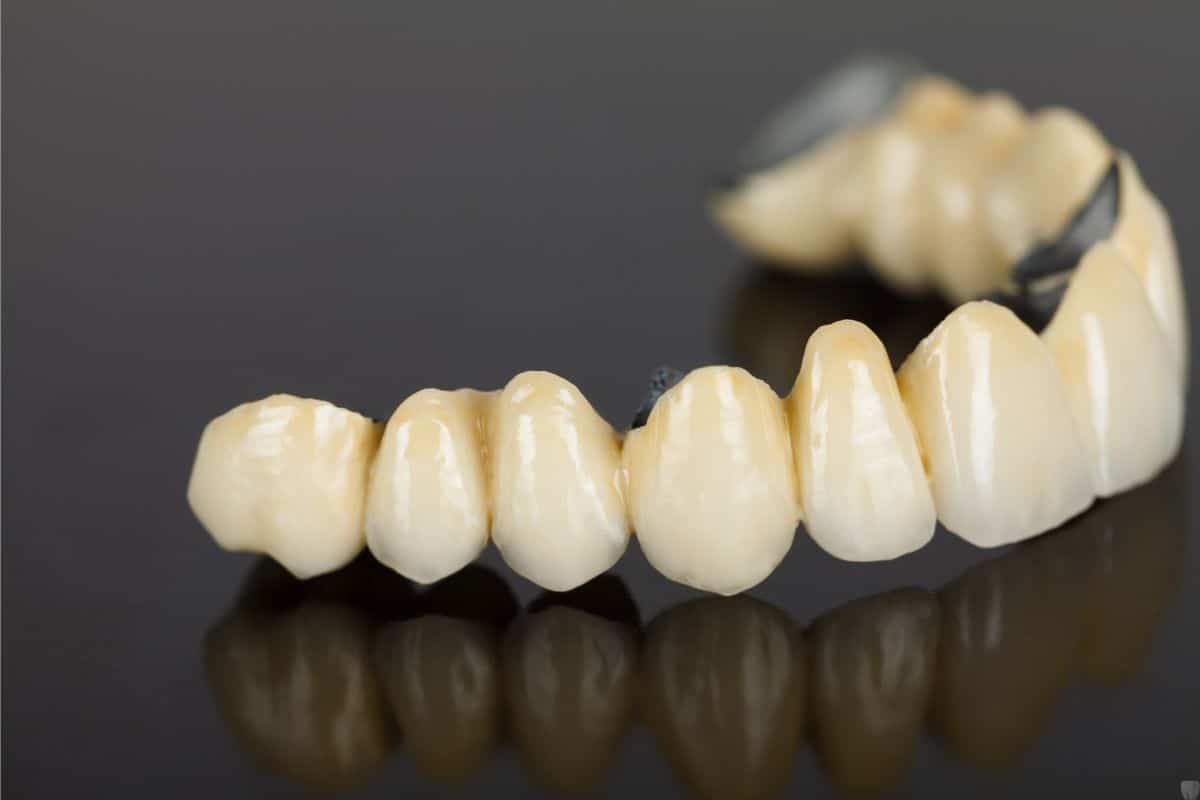
Porcelain dental bridges are an effective solution for individuals who have lost one or more teeth. They restore both the function and aesthetics of your smile, allowing you to eat and speak comfortably while enhancing your overall appearance. If you’re considering a dental bridge, understanding how it works can help you make an informed decision. In this blog, we’ll explore the mechanics of porcelain dental bridges, their benefits, and what you can expect during the process.
What is a Porcelain Dental Bridge?
A porcelain dental bridge is a fixed prosthetic device that replaces missing teeth by anchoring to adjacent natural teeth or dental implants. The bridge consists of one or more artificial teeth, known as pontics, made from durable porcelain that mimics the look and feel of natural teeth. Porcelain is favored for its aesthetic qualities, as it can be color-matched to blend seamlessly with your existing teeth.
Process of Porcelain Dental Bridge
The process of getting a porcelain dental bridge typically involves several steps:
1. Initial Consultation and Assessment
During your first visit, your dentist will conduct a thorough examination of your mouth to determine if a dental bridge is the right solution for you. They may take X-rays to assess the health of your gums and adjacent teeth. Your dentist will also discuss your medical history and any concerns you may have regarding the procedure.
2. Preparation of Adjacent Teeth
To support the bridge, the adjacent teeth (called abutment teeth) need to be prepared. This involves reshaping them by removing a portion of enamel to make space for the dental crowns that will hold the bridge in place. Your dentist will then take impressions of your teeth, which will be used to create a custom bridge that fits comfortably and securely.
3. Temporary Bridge Placement
While your custom bridge is being fabricated in a dental lab, your dentist may place a temporary bridge to protect your abutment teeth and maintain aesthetics. This temporary bridge allows you to function normally and helps to prevent any shifting of your teeth.
4. Fabrication of the Porcelain Bridge
The dental lab will create your permanent porcelain bridge based on the impressions taken. This process typically takes a couple of weeks. The lab technician will use high-quality materials to ensure the bridge is durable and aesthetically pleasing.
5. Bridge Placement
Once your permanent bridge is ready, you’ll return to the dental office for its placement. Your dentist will remove the temporary bridge and check the fit of the new one. If it fits well, the bridge will be securely cemented in place. Adjustments may be made to ensure your bite is comfortable and that the bridge functions properly.
Benefits of Porcelain Dental Bridges
- Aesthetic Appeal: Porcelain bridges closely resemble natural teeth in color and translucency, making them a popular choice for restoring smiles.
- Durability: Porcelain is a strong material that can withstand normal chewing forces, making bridges a long-lasting option for tooth replacement.
- Improved Functionality: Dental bridges restore the ability to chew and speak properly, enhancing your overall quality of life.
- Preservation of Oral Health: By filling the gap left by missing teeth, bridges prevent neighboring teeth from shifting, which can lead to misalignment and other dental issues.
Care and Maintenance
Caring for your porcelain dental bridge is essential for its longevity. Here are some tips:
- Maintain Good Oral Hygiene: Brush your teeth at least twice a day and floss daily, including around the bridge. Using an interdental brush can help clean areas around the bridge more effectively.
- Regular Dental Visits: Schedule regular check-ups and cleanings with your dentist to monitor the health of your bridge and surrounding teeth.
- Avoid Hard or Sticky Foods: To protect your bridge from damage, avoid chewing on hard candies, ice, or sticky foods that can dislodge or break the bridge.
Conclusion
Porcelain dental bridges offer an effective solution for replacing missing teeth, restoring both functionality and aesthetics to your smile. Understanding how they work and what to expect during the process can help you feel more confident in your decision. If you’re considering a porcelain dental bridge, consult your dentist to discuss your options and determine the best treatment plan tailored to your needs. With proper care, your dental bridge can provide a beautiful and functional smile for years to come.