

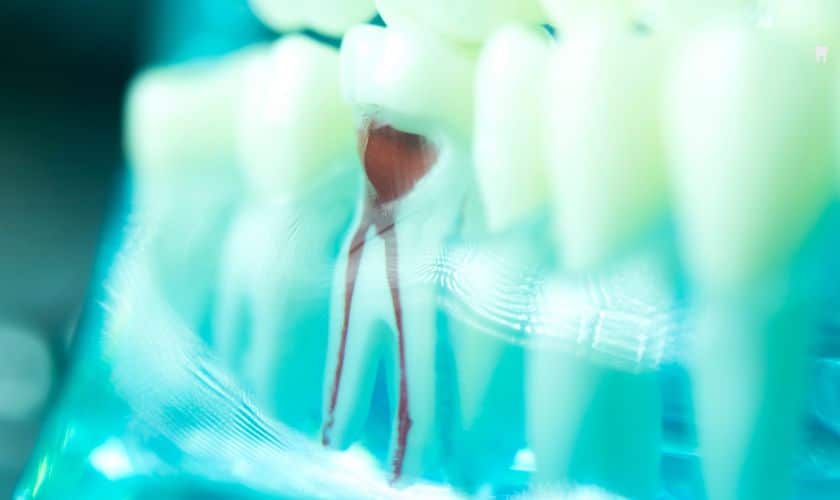
Root canal therapy, often simply referred to as a root canal, is a dental procedure designed to treat infection at the center of a tooth. It is one of the most common endodontic treatments and is essential for saving teeth that would otherwise need to be extracted. Understanding how root canal therapy works can help demystify the process and alleviate some of the anxiety associated with it.
The Anatomy of a Tooth
To appreciate how root canal therapy works, it is helpful to understand the basic anatomy of a tooth. Each tooth has several layers:
- Enamel: The hard, outer surface of the tooth.
- Dentin: A porous layer beneath the enamel.
- Pulp: The soft tissue at the center of the tooth, containing nerves, blood vessels, and connective tissue.
The pulp extends from the crown of the tooth to the roots, where it connects to the tissues surrounding the root. When the pulp becomes infected or inflamed due to decay, repeated dental procedures, or trauma, it can cause severe pain and may lead to abscess formation. Root canal therapy aims to remove the infected or inflamed pulp, disinfect the root canals, and seal the space to prevent future infection.
Step-by-Step Process of Root Canal Therapy
1. Diagnosis and Preparation
The first step in root canal therapy is diagnosing the problem. This typically involves:
- Symptom Review: The dentist will ask about symptoms such as tooth pain, sensitivity to hot and cold, swelling, or tenderness.
- Examination: A physical examination of the tooth and surrounding area.
- X-rays: Radiographs are taken to assess the extent of the damage and to visualize the shape and number of root canals.
Once the need for a root canal is confirmed, the dentist will prepare the area. This involves administering a local anesthetic to numb the tooth and surrounding tissues, ensuring the patient is comfortable throughout the procedure.
2. Access Opening
With the area numb, the dentist or endodontist will place a rubber dam around the tooth to keep it dry and free of saliva. They will then use a dental drill to create an opening in the crown of the tooth, providing access to the pulp chamber and root canals.
3. Cleaning and Shaping the Canals
The next step is to remove the diseased and dead pulp tissue from the pulp chamber and root canals. This is done using small, flexible files. The dentist will:
- Manually File the Canals: Using a series of progressively larger files to clean and shape the canals.
- Irrigate the Canals: Periodically rinse the canals with an antiseptic solution to disinfect and flush out debris.
This phase is critical to ensure that all the infected tissue and bacteria are removed. The canals must be meticulously cleaned and shaped to facilitate proper filling later on.
4. Filling the Canals
Once the canals are clean and dry, the next step is to fill them with a biocompatible material called gutta-percha. This material is used to:
- Seal the Canals: Gutta-percha is heated and compressed into the canals to ensure a tight seal, preventing bacteria from re-entering.
- Add Adhesive Cement: A special adhesive cement is used to further seal the canals and fill any remaining spaces.
Sealing the canals effectively is crucial to prevent future infections and to ensure the longevity of the tooth.
5. Restoration
After the root canals are filled, the opening created in the tooth is temporarily sealed with a filling. However, because a tooth that has undergone root canal therapy can become brittle and more susceptible to fracture, a more permanent restoration is often required. This typically involves:
- Placement of a Crown: A crown is placed over the tooth to restore its shape, strength, and functionality.
- Further Reinforcements: In some cases, a post may be placed inside the tooth to provide additional support for the crown.
The restoration process ensures that the treated tooth can withstand the forces of biting and chewing, effectively preserving it for many years.
Post-Treatment Care
After the procedure, patients may experience some sensitivity or discomfort for a few days, which can usually be managed with over-the-counter pain medications. The dentist will provide specific instructions for care, including:
- Avoiding Hard or Chewy Foods: To prevent damaging the temporary filling.
- Maintaining Oral Hygiene: Regular brushing and flossing to keep the area clean and prevent infection.
- Follow-Up Visits: Returning to the dentist for a permanent restoration and regular check-ups.
Conclusion
Root canal therapy is a highly effective procedure for saving teeth that would otherwise be lost due to infection or decay. By removing the infected pulp, cleaning and sealing the canals, and restoring the tooth with a crown, dentists can preserve the natural tooth structure and maintain the patient’s oral health. While the prospect of a root canal can be daunting, understanding the process helps to alleviate fear and emphasizes the importance of this common and successful dental treatment.