

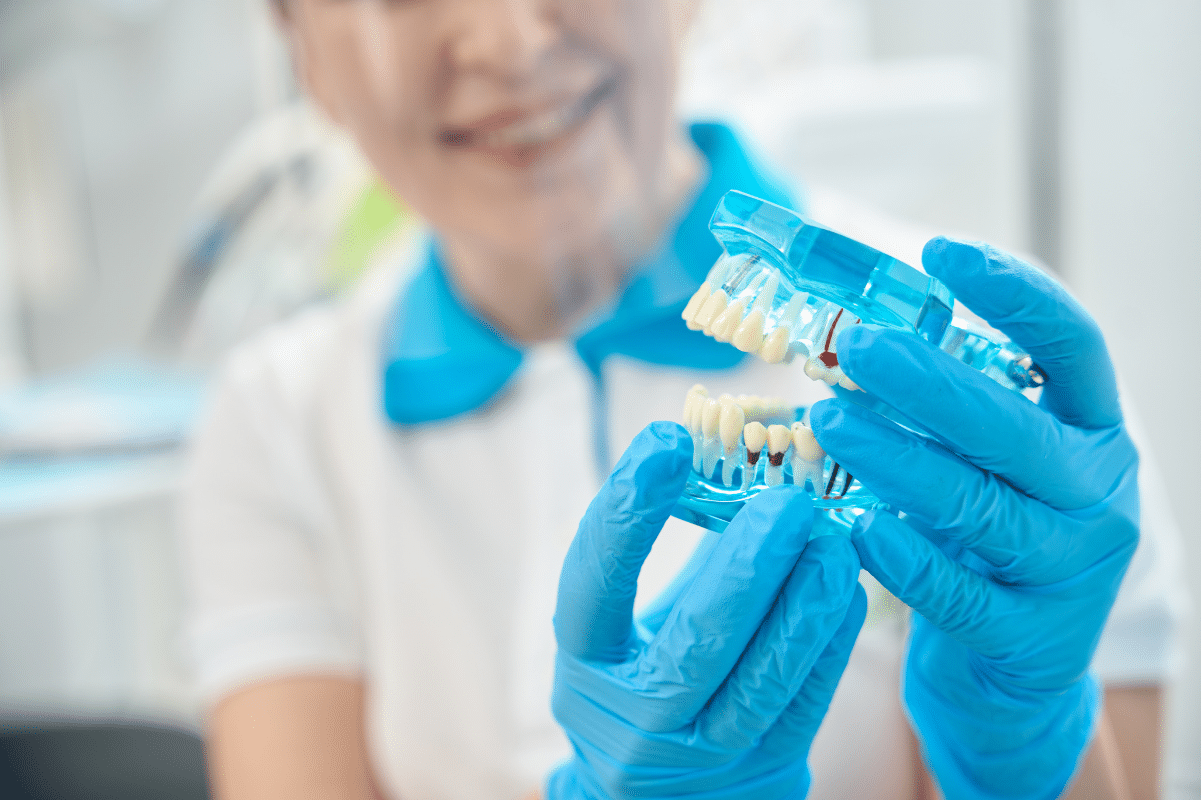
Most families visit a dentist twice a year for cleanings. What many people don’t realize is that those same visits are also one of the best chances to catch tooth alignment and jaw problems early, long before braces or other treatment becomes urgent.
Your family dentist sees your child’s mouth at every stage of development. That gives them a clear picture of how teeth are coming in, how the jaw is growing, and whether anything looks off. For families in the area, having access to orthodontic Ludington services that connect general dental care with early screening makes a real difference in long-term outcomes.
Why Early Detection Matters
Catching a problem early doesn’t always mean treatment starts right away. In many cases, a dentist simply monitors a child’s growth and steps in when the timing is right. But acting too late can mean more complex treatment later, including surgery in some cases.
Early action can guide jaw growth, create space for crowded teeth, and reduce how long a child needs braces as a teenager. It can also prevent damage to teeth that come in twisted or out of place. From a cost and comfort standpoint, early detection is a real advantage for families.
The American Association of Orthodontists recommends that children have their first orthodontic screening by age 7. At this point, enough adult teeth have come in that a dentist can spot developing issues with real clarity.
Common Signs Your Dentist Looks For
During a routine visit, a dentist checks more than cavities. They also look at how your teeth and jaw fit together. Here are some of the most common early signs they watch for.
Crowded or Crooked Teeth
When teeth don’t have enough room, they twist or overlap. Spotted early, space can often be created before adult teeth fully arrive, making future treatment simpler.
Bite Problems
Overbites, underbites, crossbites, and open bites affect how upper and lower teeth meet. These can strain the jaw and cause uneven wear over time if left unchecked.
Early or Late Tooth Loss
Baby teeth that fall out too early or stay in too long can shift the path of incoming adult teeth. A dentist will track this pattern closely across visits.
Jaw Shifting or Clicking
If the jaw shifts when biting or makes sounds, it may signal a bite problem that benefits from early correction rather than waiting until symptoms get worse.
Mouth Breathing and Thumb Sucking Habits
Habits that persist past age 5 or 6 can affect how the jaw and teeth develop. They are much easier to address at a young age, before changes become permanent.
Unusual Spacing Between Teeth
Gaps can signal that teeth are too small for the jaw, or that some teeth are missing altogether. A dentist can help determine if the spacing is normal or something to watch.
The Role of Regular Checkups
A twice-yearly dental visit gives your dentist a running record of how your child’s mouth is developing over time. This is something no single specialist visit can replicate, because patterns only show up when you compare what the mouth looked like at age 6, 8, and 10.
For adults, regular visits also matter. Teeth shift throughout life, and problems like crowding or bite changes can develop slowly without obvious symptoms. Many adults who search for a dentist near me are surprised to learn that some alignment concerns could have been caught years earlier with consistent care.
Skipping routine checkups allows developing orthodontic issues to go unnoticed until they require more involved treatment. A small concern at age 8 can become a much bigger one by age 14.
When Children Should First Be Screened
Ages 3 to 4: A dentist checks for early habits like thumb sucking, jaw symmetry, and spacing in primary teeth.
Ages 6 to 7: The first adult molars and front teeth have come in. A dentist can now evaluate bite patterns and jaw development in a meaningful way. This is the window recommended for a first orthodontic screening.
Ages 9 to 12: More adult teeth are present. This period is often ideal for early treatment that can reduce complexity down the road.
Age 13 and beyond: Most adult teeth are in place. Traditional braces or clear aligners may begin if issues weren’t addressed in an earlier phase.
What Happens When a Problem Is Spotted
If your dentist notices something during a routine exam, they won’t always send you straight to a specialist. In many cases, they’ll keep a closer eye on how things develop, using X-rays and measurements to track changes over time.
When a referral is needed, they’ll explain exactly what they see and why acting sooner makes sense. This kind of coordinated care is part of what makes a family dentist so valuable. They serve as the first line of screening, so that by the time a patient sees a specialist, there’s already a clear picture of the issue.
Adults Need Screening Too
Orthodontic issues aren’t limited to children. Adults often develop concerns that weren’t present or visible earlier in life, and many seek treatment well into adulthood. If you’re looking for orthodontic Ludington care as an adult, a general dentist is still the best starting point for an honest assessment of what’s happening and what your options look like.
For anyone looking for a reliable dentist near me, it helps to choose a practice that takes time to explain what they see and why it matters, rather than rushing through an exam.
Frequently Asked Questions
1. At what age should my child first be screened for orthodontic problems?
The general recommendation is by age 7. By this point, the first adult molars and front teeth have come in, which gives a dentist enough to evaluate jaw alignment and spacing concerns early.
2. What is the difference between a family dentist and an orthodontist?
A family dentist handles overall oral health, including cleanings, checkups, and early screening for bite and alignment concerns. An orthodontist specializes in tooth and jaw alignment. Your dentist is often the first to spot a problem and can refer you when needed.
3. Can thumb sucking really affect my child’s teeth?
Yes. Persistent thumb sucking past age 5 or 6 can push the front teeth forward and affect how the jaw develops. The sooner the habit stops, the less likely it is to cause lasting changes. A dentist can suggest practical approaches based on your child’s age.
4. Is it too late to fix alignment issues if my child is already a teenager?
Not at all. Teenagers are one of the most common groups to receive orthodontic treatment, since most adult teeth are in place by the early teen years. Early treatment may reduce overall time, but starting as a teen is still very effective for most concerns.
5. Do adults need orthodontic treatment?
Adults can develop bite changes or crowding over time due to shifting teeth, jaw changes, or issues never treated in childhood. Clear aligners and other modern options have made adult treatment more practical and less disruptive than in the past.
6. How often should my child have dental checkups?
Most children benefit from checkups every six months. This regularity allows a dentist to track changes in tooth eruption, jaw growth, and bite patterns over time, which is key for catching orthodontic concerns before they grow.
7. What if my child’s baby teeth look fine? Should we still be concerned?
Yes. How baby teeth look doesn’t always predict how adult teeth will come in. A dentist uses X-rays to see what’s forming beneath the gum line and can identify spacing, missing teeth, or alignment concerns that aren’t visible to the eye.
8. Will early treatment mean my child needs braces again later?
Sometimes early treatment is done in two phases, so a second round may still be needed as a teenager. However, early treatment often reduces how complex the second phase needs to be and can shorten overall treatment time. Your dentist will explain what to expect based on your child’s specific situation.
Getting Ahead of Problems Pays Off
Catching an orthodontic issue early is one of the simplest ways to save time, money, and discomfort down the road. Regular checkups with a family dentist give you that opportunity without requiring anything extra. Just keep the appointments.
If you have questions about your child’s bite, spacing, or jaw development, or if it’s been a while since your last exam, it’s worth reaching out today. You can schedule a consultation with Lakewinds Dental Centre to get a clear picture of where things stand. Whether you’re coming in for a routine cleaning or a specific concern, our team will walk you through what we see and what, if anything, needs attention. Contact our orthodontic ludington office to set up a visit and take the first step toward protecting your family’s oral health.