

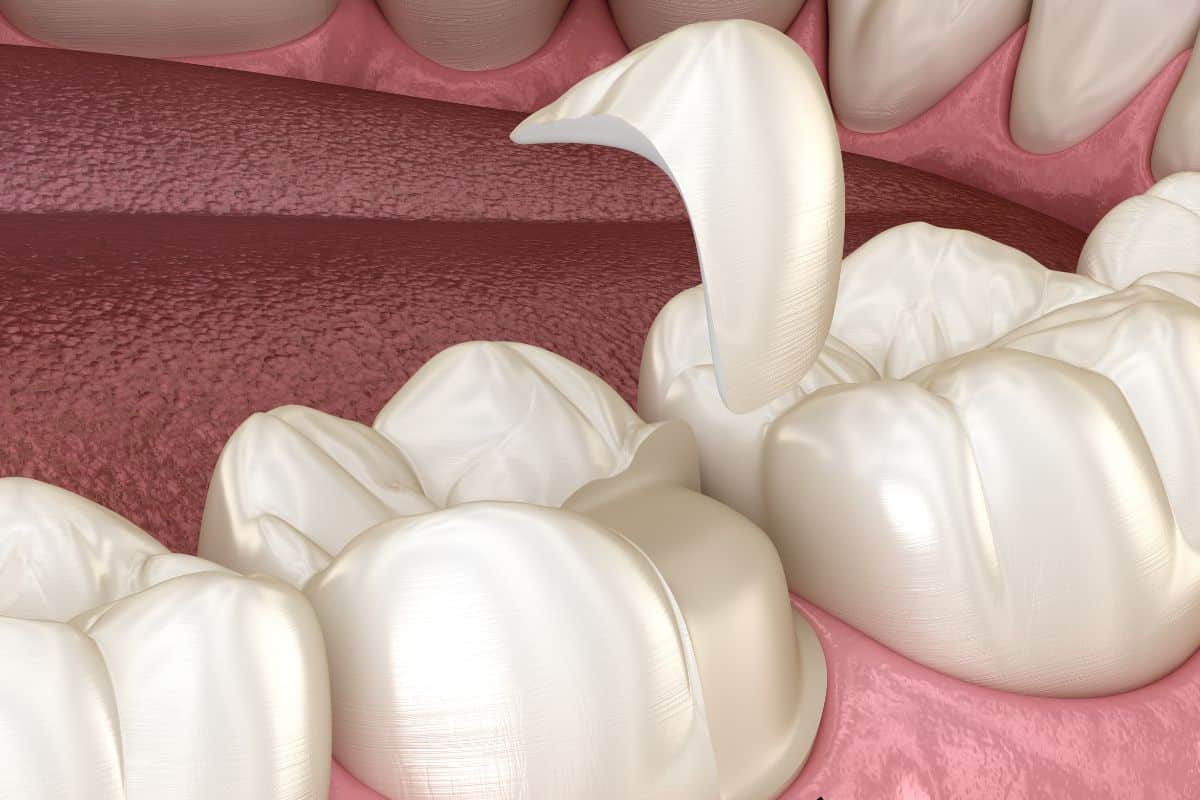
When it comes to dental restorations, preserving as much of your natural tooth structure as possible is a top priority. Inlays and onlays are excellent options for restoring damaged teeth while maintaining their natural integrity. These restorations offer a conservative yet effective solution that blends functionality and aesthetics. Here’s how inlays and onlays work to preserve your natural tooth structure.
What Are Inlays and Onlays?
Inlays and onlays are custom-made dental restorations used to repair teeth that have been damaged by decay or trauma. Unlike traditional fillings, which are applied directly to the cavity, inlays and onlays are fabricated outside the mouth—usually in a dental lab—before being bonded to the affected tooth.
- Inlays fit within the grooves of the tooth, effectively repairing small to moderate damage.
- Onlays cover a larger area and can extend over the cusps of the tooth, making them suitable for more extensive damage.
Minimally Invasive Restorations
One of the key benefits of inlays and onlays is that they are minimally invasive. Traditional fillings often require the removal of healthy tooth structures to ensure the material adheres properly. In contrast, inlays and onlays are designed to fit precisely into the existing cavity, requiring less removal of the natural tooth.
By preserving more of your tooth’s structure, inlays and onlays maintain the strength and integrity of the tooth. This conservative approach helps extend the life of your natural teeth and prevents further complications.
Strengthening the Tooth
Inlays and onlays not only preserve your tooth structure but also strengthen it. The materials used—such as porcelain, composite resin, or gold—are incredibly durable and can withstand the forces of chewing and biting. When bonded to the tooth, inlays and onlays provide additional support, reducing the risk of fractures and other damage.
This reinforcement is especially important for teeth that have undergone root canals or have large cavities, as they are more susceptible to breaking. By choosing inlays or onlays, you can protect these vulnerable teeth and ensure their longevity.
Aesthetically Pleasing Results
Preserving the natural structure of your teeth isn’t just about function—it’s also about appearance. Inlays and onlays are custom-made to match the color and shape of your natural teeth, resulting in a seamless restoration. Because less of your tooth is removed, the final result looks more natural than other restorative options, such as crowns.
The ability to maintain the original shape and appearance of the tooth is particularly beneficial for teeth in the visible areas of your smile. Inlays and onlays offer a discreet solution that restores your teeth without compromising your smile’s aesthetics.
Long-Lasting Protection
Inlays and onlays are known for their durability. With proper care, these restorations can last for many years, providing long-lasting protection for your teeth. Their longevity reduces the need for frequent dental work, which means fewer disruptions to your natural tooth structure over time.
Routine dental check-ups and good oral hygiene practices are essential to maintaining the health of your inlays or onlays, just as they are with your natural teeth.
Conclusion
Inlays and onlays are an excellent choice for those seeking a dental restoration that preserves the natural structure of their teeth. Their minimally invasive nature, combined with the strength and aesthetic appeal they offer, makes them a preferred option for many patients. By choosing inlays and onlays, you can protect your teeth, maintain your smile, and enjoy long-lasting dental health. If you’re considering inlays or onlays, consult with your dentist to determine if this restorative option is right for you.