

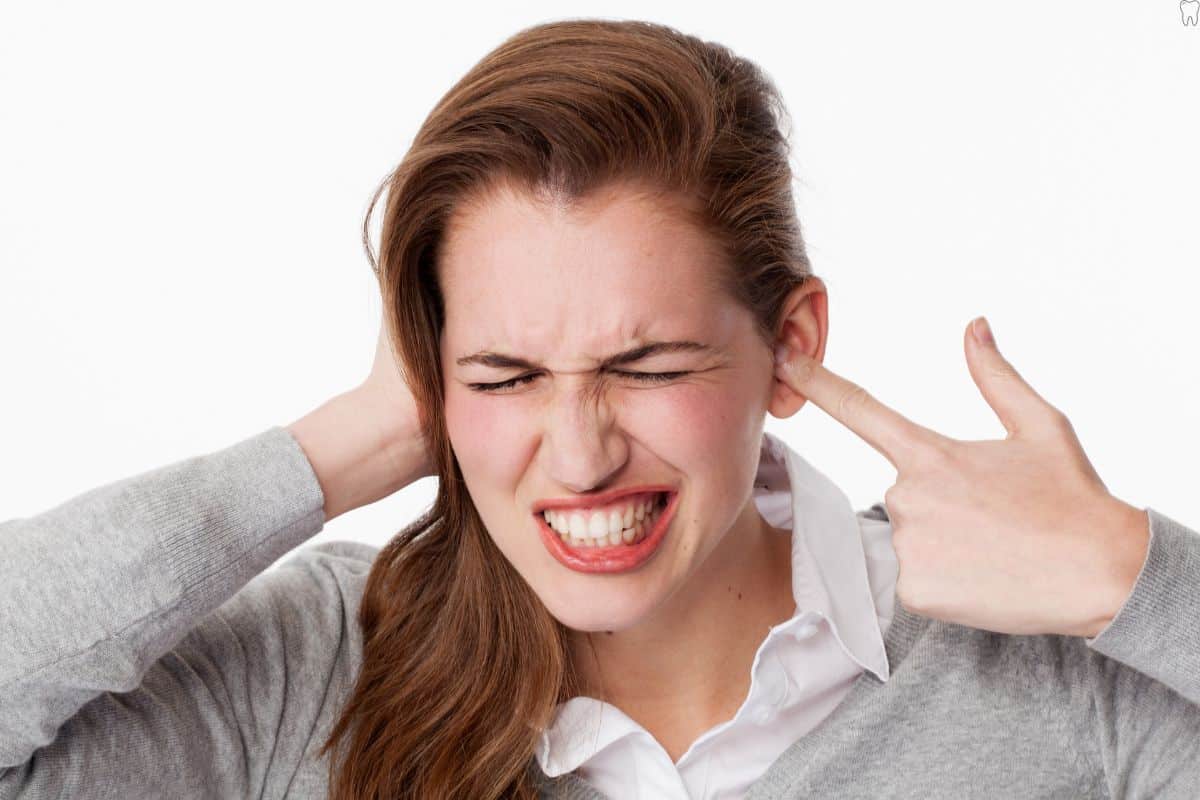
Bruxism, or the grinding and clenching of teeth, is a common condition that can lead to a variety of problems, including headaches. For many, bruxism headaches can be a frequent and troubling issue. Understanding how long these headaches might last and what you can do to manage them is crucial for finding relief. Let’s delve into the details.
Understanding Bruxism Headaches
Bruxism-related headaches are caused by the excessive clenching or grinding of teeth, which puts significant stress on the muscles of the jaw and face. This tension can radiate into the temples and cause a dull, aching sensation similar to tension headaches. Some people may even experience migraines triggered by bruxism.
Duration of Bruxism Headaches
The duration of a bruxism headache varies depending on the individual, the severity of the teeth grinding, and how frequently the grinding occurs. Typically, bruxism headaches can last anywhere from 30 minutes to several hours. In some cases, the discomfort may persist throughout the day, especially if the teeth grinding is intense or occurs frequently at night.
Factors That Affect How Long Bruxism Headaches Last
Several factors can influence how long a bruxism headache may last, including:
- Severity of the bruxism: The more severe the grinding, the more tension is placed on the muscles, which can cause headaches to last longer.
- Time of grinding: If grinding happens primarily at night, headaches might be more prevalent in the morning and subside later in the day. Daytime grinding can lead to headaches that last longer into the evening.
- Jaw alignment issues: Misaligned teeth or jaw problems can exacerbate bruxism, leading to more frequent or prolonged headaches.
- Stress levels: Stress is a common trigger for bruxism, and high stress levels can prolong headache symptoms.
Managing and Reducing Bruxism Headaches
While bruxism headaches can be painful, there are several ways to manage and reduce their duration:
- Mouthguards: Wearing a custom-fitted mouthguard at night can reduce the strain on your jaw muscles, alleviating the pressure that causes headaches.
- Stress management: Incorporating relaxation techniques like deep breathing, meditation, or yoga into your daily routine may help reduce stress-related bruxism and the headaches associated with it.
- Jaw exercises: Strengthening and relaxing the muscles in your jaw through targeted exercises can relieve tension and reduce headaches.
- Over-the-counter pain relief: Anti-inflammatory medications like ibuprofen or acetaminophen may help alleviate the pain associated with bruxism headaches.
When to See a Dentist
If you’re experiencing frequent or long-lasting headaches due to bruxism, it’s important to consult a dentist. They can provide a thorough evaluation of your teeth and jaw to determine the severity of your bruxism and recommend appropriate treatment options. In some cases, adjustments to your bite or orthodontic treatment may be necessary to address the root cause of your bruxism and prevent headaches from recurring.
Conclusion
Bruxism headaches can last anywhere from 30 minutes to several hours, depending on the individual and the severity of the teeth grinding. By using preventive measures like mouthguards and stress management techniques, you can reduce the frequency and duration of these headaches. If your headaches persist or worsen, consulting with a dentist is the best step to finding long-term relief.