

When a tooth is severely decayed or infected, many people think the only option is extraction. However, root canal therapy effectively preserves your natural tooth while restoring its function and appearance. This treatment focuses on removing infection and protecting your overall oral health. Let’s explore how root canal therapy works and why it’s the best option for saving your natural tooth.
Understanding Root Canal Therapy
Root canal therapy, also known as endodontic treatment, addresses issues within the tooth’s pulp—the soft tissue that contains nerves and blood vessels. When the pulp becomes infected due to deep decay, cracks, or trauma, it can cause severe pain, swelling, and sensitivity. The infection can spread without treatment, potentially leading to tooth loss or further complications.
Root canal therapy eliminates the infection while keeping the outer structure of the tooth intact, allowing it to function normally.
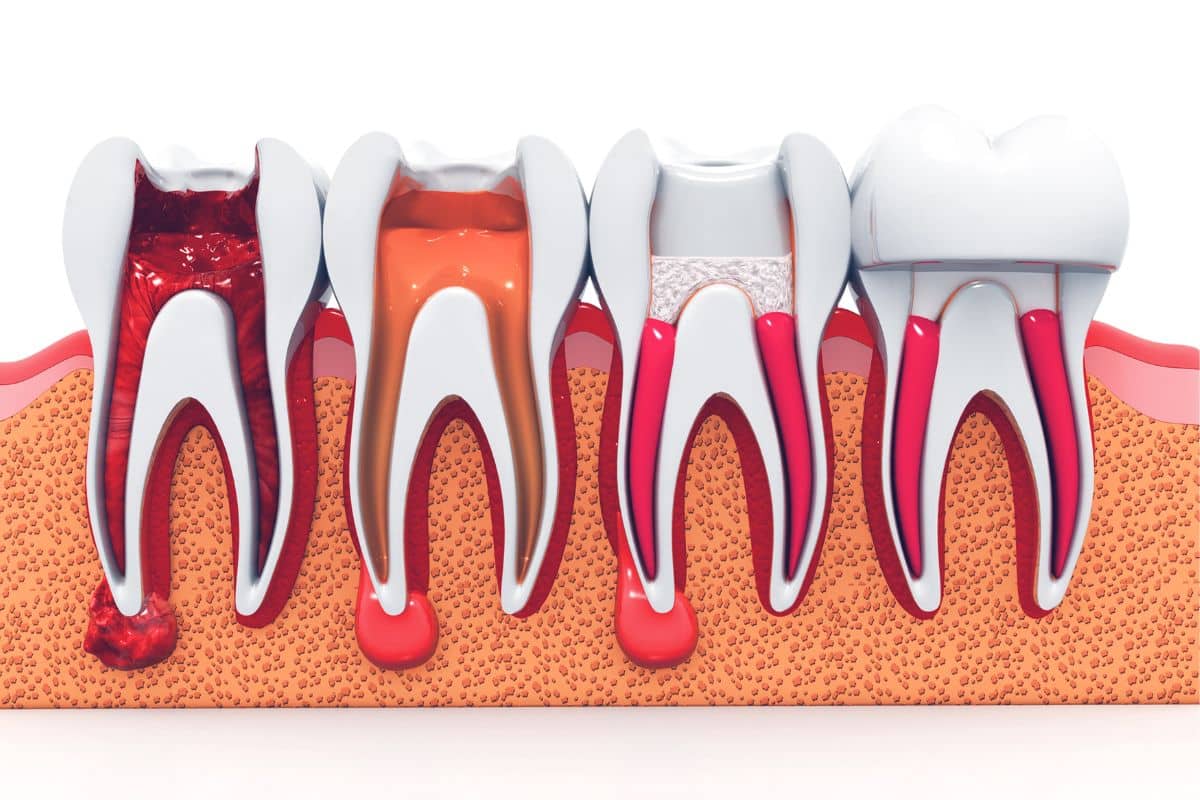
The Process of Root Canal Therapy
The procedure involves several steps designed to restore the health of your tooth:
Removing the Infected Pulp
A dentist or endodontist carefully removes the damaged pulp and cleans the inside of the tooth. This stops the infection from spreading to neighboring teeth or gums.
Shaping and Disinfecting the Canals
The tooth’s interior is shaped and disinfected to ensure no bacteria remain, reducing the risk of reinfection.
Filling and Sealing
The cleaned canal is filled with a biocompatible material to support the tooth structure. A sealant is applied to prevent further bacterial intrusion.
Restoring the Tooth
After the root canal, a crown is typically placed over the tooth to restore its strength and appearance. This ensures the tooth can withstand normal biting and chewing forces.
Benefits of Saving Your Natural Tooth
Root canal therapy offers several advantages that go beyond treating infection:
Preservation of Natural Function
Keeping your natural tooth allows you to bite and chew without discomfort, maintaining your normal eating habits.
Maintaining Jawbone Integrity
Unlike an extraction, which can lead to bone loss over time, saving your tooth helps preserve the jawbone and prevent changes in facial structure.
Aesthetic Benefits
With a crown, the treated tooth looks and feels like a natural tooth, ensuring your smile remains unaffected.
Cost-Effective Solution
While extractions may seem like a simpler option, replacing a missing tooth with a dental implant or bridge often involves higher costs and more extensive procedures.
Root Canal Therapy: A Path to Long-Term Oral Health
Root canal therapy not only saves your tooth but also prevents the need for more invasive treatments down the line. By addressing infection early and preserving your natural tooth, this procedure promotes a healthier, more functional smile.
If you’re experiencing tooth pain or suspect you might need root canal therapy, consult with your dentist. Early intervention can make all the difference in saving your tooth and protecting your oral health.