

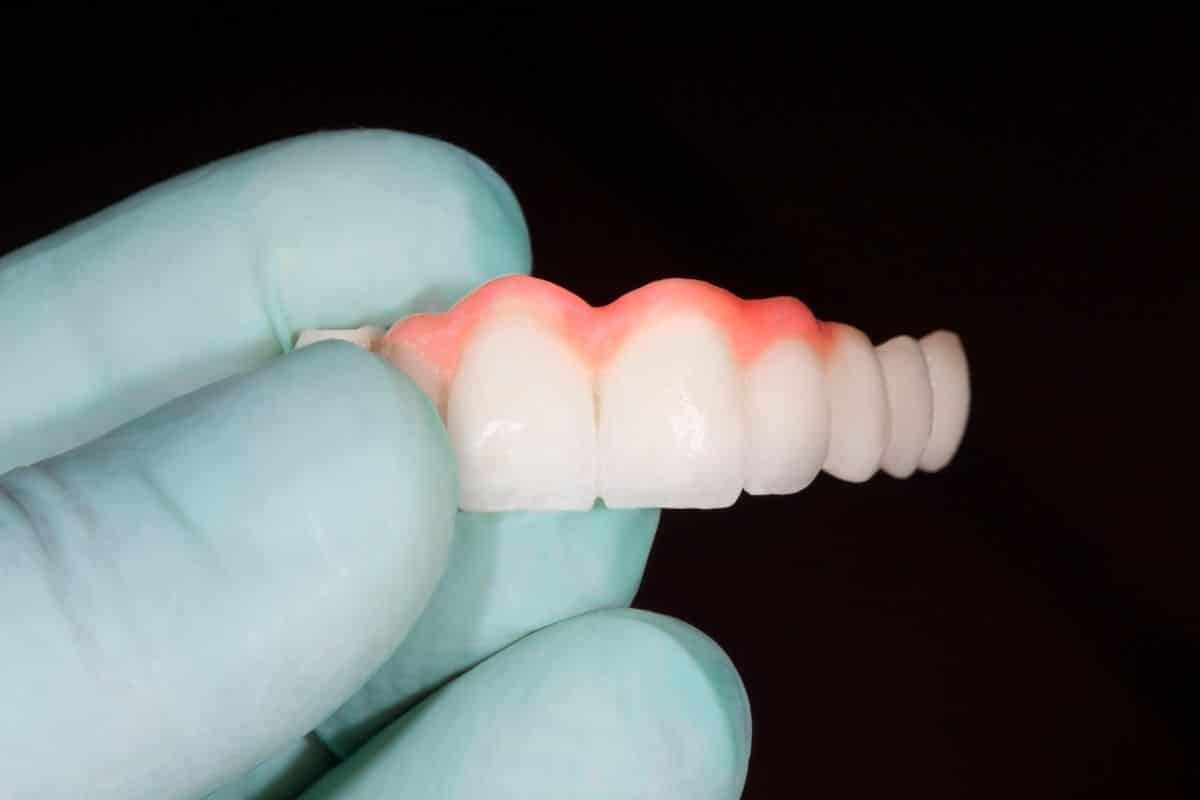
Dental bridges are a common solution for replacing missing teeth, offering both aesthetic and functional benefits. Proper care of your dental bridge is essential to ensure its longevity and the overall health of your teeth and gums. Here’s a guide on how to maintain your dental bridge for long-lasting results.
1. Maintain Proper Oral Hygiene
Oral hygiene is critical in ensuring the health of both your dental bridge and surrounding teeth. Here’s how to keep your mouth clean:
- Brush Twice Daily: Just like with natural teeth, brushing twice a day is essential. Use a soft-bristled toothbrush and fluoride toothpaste to clean your dental bridge and natural teeth thoroughly.
- Floss Daily: Flossing is key to removing food particles and plaque that build up around the bridge. It’s especially important to clean underneath the bridge to prevent gum disease. A floss threader or water flosser can help access hard-to-reach areas under the bridge.
- Rinse with Mouthwash: Antimicrobial or fluoride mouthwashes help in reducing plaque buildup and strengthening the teeth. Rinsing your mouth daily can promote gum health, which is crucial for the longevity of the dental bridge.
2. Use Special Cleaning Tools
In addition to regular brushing and flossing, special tools can help care for your dental bridge:
- Interdental Brushes: These small, brush-like tools are excellent for cleaning between the teeth and under the bridge. They’re designed to reach areas that regular toothbrushes cannot.
- Water Flossers: A water flosser uses a stream of water to clean around the bridge and gums. This tool is particularly helpful in flushing out food debris under the bridge.
3. Watch Your Diet
What you eat plays a role in the health and longevity of your dental bridge:
- Avoid Hard and Sticky Foods: Foods like hard candy, popcorn kernels, or sticky treats such as gum can damage or dislodge the dental bridge. Avoiding these foods helps prevent unnecessary stress on the bridge.
- Maintain a Balanced Diet: Eating a diet rich in calcium, phosphorus, and other essential nutrients will support the health of your teeth and gums, ensuring the dental bridge stays in place.
4. Regular Dental Check-ups
Routine visits to your dentist are important for maintaining your dental bridge. Your dentist will check the condition of the bridge, ensure proper fit, and clean areas you might have missed at home. If there are any issues, such as loosening of the bridge or gum irritation, your dentist can address them early on before they worsen.
5. Be Mindful of Teeth Grinding
Teeth grinding, or bruxism can put excessive pressure on your dental bridge, potentially causing damage. If you grind your teeth at night, speak to your dentist about getting a mouthguard to protect both your natural teeth and the bridge.
6. Address Any Pain or Discomfort Early
If you experience any discomfort, gum inflammation, or sensitivity around your dental bridge, don’t ignore it. These could be early signs of gum disease or an issue with the bridge’s fit. Contact your dentist immediately for an evaluation to prevent further complications.
Conclusion
Taking care of your dental bridge is essential to ensuring it lasts and keeps your smile intact. Regular oral hygiene, dietary choices, and routine dental visits all contribute to the longevity of your bridge. By following these care tips, you can protect both your dental bridge and overall oral health for years to come.
If you’ve recently received a dental bridge, talk to your dentist for personalized care advice and recommendations specific to your oral health needs.