

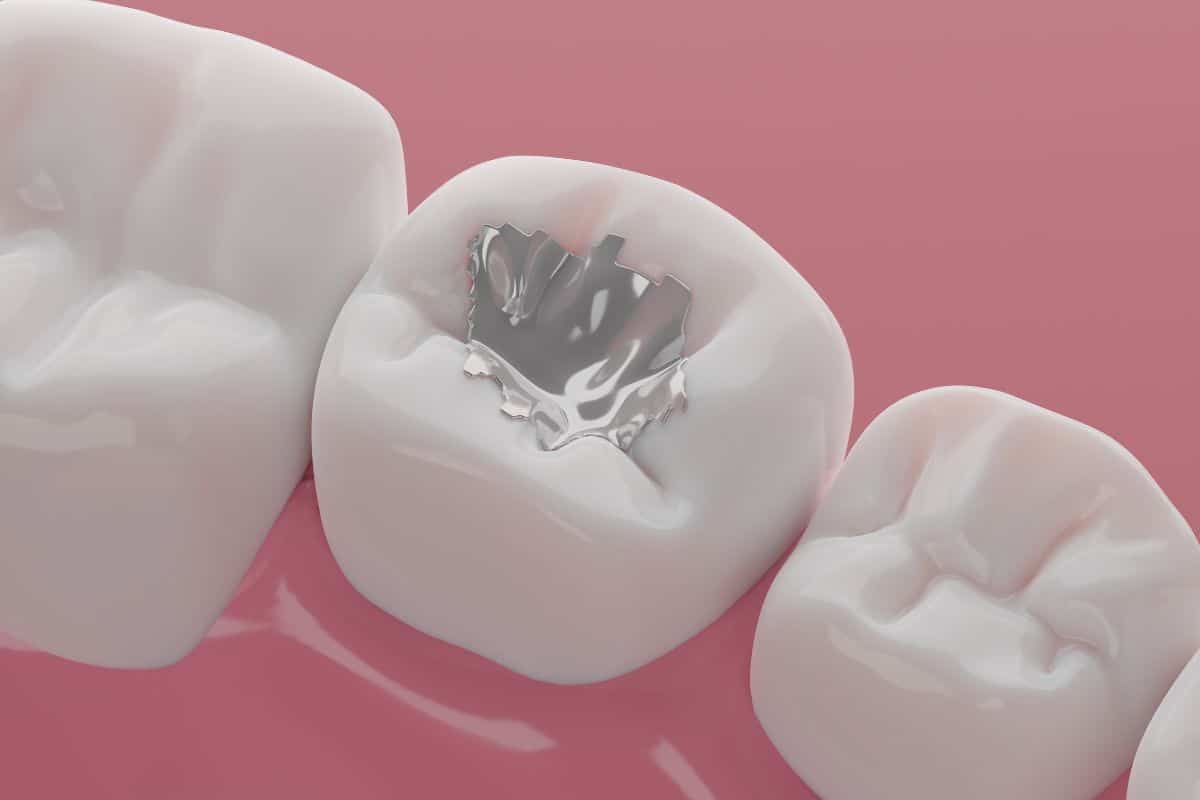
Dental fillings are a reliable solution for restoring teeth affected by cavities or minor damage. While they are designed to be durable, proper care can significantly extend their lifespan and maintain your oral health. Follow these essential tips to protect your dental fillings and ensure they last for years.
1. Practice Good Oral Hygiene
Maintaining a consistent oral care routine is crucial for preserving both your natural teeth and dental fillings.
- Brush your teeth at least twice a day with fluoride toothpaste.
- Floss daily to remove plaque and food particles from between your teeth.
- Consider using an antibacterial mouthwash to reduce plaque buildup around the fillings.
2. Avoid Chewing Hard Foods and Objects
Dental fillings, especially composite ones, can wear down or crack if subjected to excessive force. Avoid biting down on hard items such as:
- Ice
- Hard candies
- Pens or pencils
By protecting your fillings from undue pressure, you can reduce the risk of damage.
3. Be Mindful of Teeth Grinding (Bruxism)
If you grind or clench your teeth, it can weaken your fillings over time. Speak to your dentist if you suspect bruxism. They may recommend:
- A custom-made night guard to protect your teeth and fillings.
- Stress-relief techniques to minimize grinding caused by anxiety.
4. Watch Your Diet
Certain foods and drinks can contribute to tooth decay and filling wear. To keep your fillings in good shape:
- Limit sugary and acidic foods that can erode tooth enamel.
- Drink water after consuming staining beverages like coffee or tea to reduce residue buildup.
- Maintain a balanced diet rich in calcium and vitamin D to support overall oral health.
5. Visit Your Dentist Regularly
Routine dental checkups are essential for identifying potential issues early. During these visits:
- Your dentist will examine your fillings for signs of wear, cracks, or leakage.
- Professional cleanings will help prevent plaque and tartar buildup, which can compromise your fillings.
6. Address Issues Promptly
If you notice sensitivity, discomfort, or visible damage to a filling, contact your dentist immediately. Early intervention can prevent further complications, such as the need for a replacement filling or additional restorative work.
Taking care of your dental fillings doesn’t require much extra effort but goes a long way in preserving their functionality and appearance. By following these tips and staying proactive with your oral health, you can enjoy the benefits of your fillings for years to come.
For more personalized advice or to schedule a checkup, contact your dentist today!