

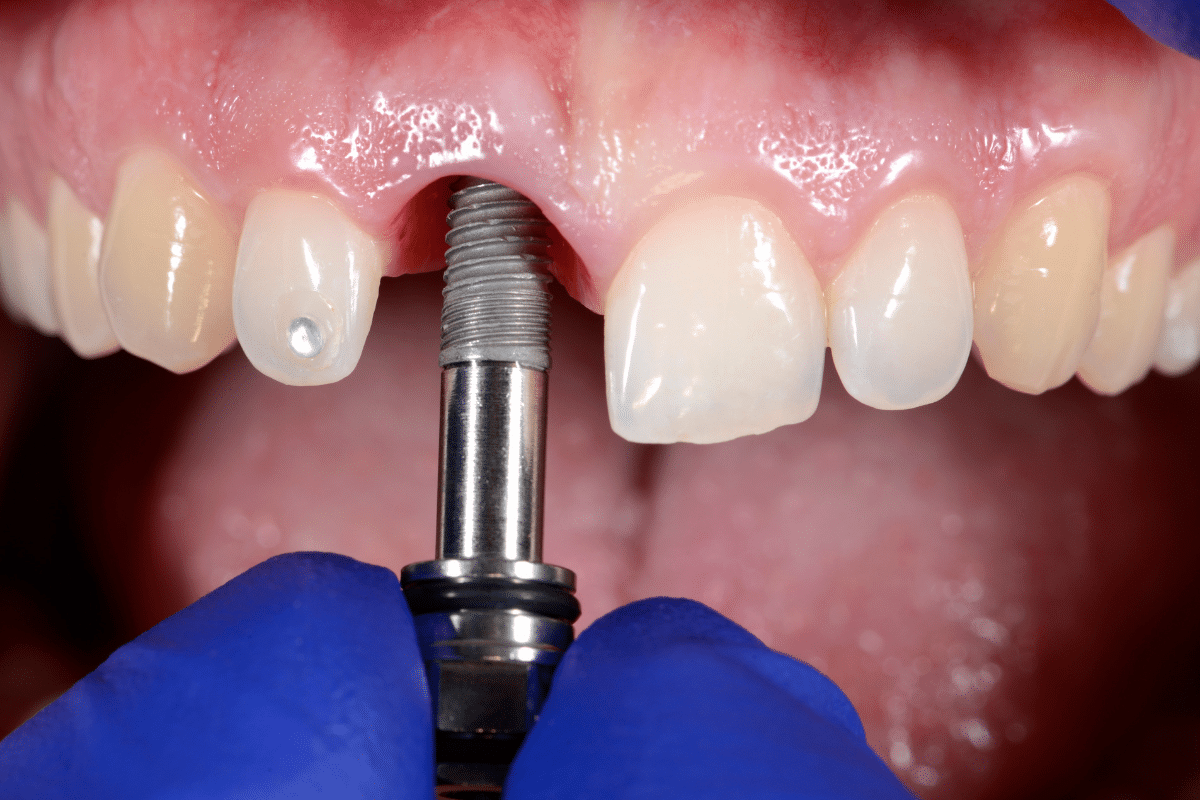
Losing a tooth is more than a cosmetic problem. It can affect how you eat, speak, and feel about yourself. Dental implants are one of the most reliable ways to replace a missing tooth, but the success of the procedure depends heavily on who places them.
So, how do you find someone truly qualified? Whether you are searching for dental implants Ludington patients trust or simply typing “dentist near me” into your phone, this guide will help you make a smart and confident decision.
What Makes a Dentist Qualified for Implants?
Not every dentist places implants. It takes advanced training beyond dental school. Here is what to look for:
Board Certification and Specialty Training
Look for a dentist or oral surgeon who has completed post-graduate training in implant dentistry, periodontics, or oral and maxillofacial surgery. Board certification from recognized organizations like the American Board of Oral and Maxillofacial Surgery (ABOMS) or the American Academy of Implant Dentistry (AAID) is a strong indicator of skill.
Years of Hands-On Experience
Ask how many implant procedures the provider performs each year. A dentist who places dozens of implants regularly will be more skilled than someone who does it occasionally. Experience matters when it comes to handling complications and achieving long-term results.
Use of Modern Technology
3D cone beam imaging (CBCT) allows a dentist to plan implant placement with precision. If a practice uses this technology, that is a good sign they take accuracy seriously.
How to Search Effectively in Your Area
When you start searching for a qualified provider, keep a few things in mind.
Start With a Targeted Search
Searching “dentist near me” is a good starting point, but narrow it down. Add terms like “implant dentist” or “oral surgeon” to get more relevant results. Check Google reviews carefully. Look for patterns in the feedback rather than just the star rating.
Ask for Referrals
Your general dentist may not place implants but can refer you to a trusted specialist. Word-of-mouth from friends, coworkers, or family who have had implants is also very helpful.
Check Credentials Online
Most states have dental licensing boards where you can verify a dentist’s credentials and check for any disciplinary history. The American Dental Association (ADA) also has a provider directory at ada.org.
Consult More Than One Provider
Getting two or three consultations before committing is completely normal. A good dentist will welcome your questions and explain everything clearly without pressuring you.
Questions to Ask During Your Consultation
Walking into a consultation prepared makes a big difference. Here are questions worth asking:
- How many implant procedures have you completed?
- What implant systems do you use, and why?
- Do you use 3D imaging for treatment planning?
- What does the full process look like from start to finish?
- What happens if the implant does not integrate properly?
- Can I see before-and-after photos of your patients?
- What are the total costs, and do you offer payment plans?
A qualified provider will answer all of these without hesitation.
Red Flags to Watch For
Not every practice that advertises implants will give you the best care. Watch out for these warning signs:
- No consultation or rushed appointments
- Unclear or unusually low pricing with no explanation
- Pressure to make an immediate decision
- Lack of proper X-rays or imaging before the procedure
- No mention of a treatment plan or recovery process
If something feels off, trust your instincts and look elsewhere.
What to Expect From the Implant Process
Understanding the general timeline helps you plan better and reduces anxiety.
The process usually involves a consultation and imaging, tooth extraction (if needed), bone grafting (in some cases), implant placement surgery, a healing period of a few months, and finally the placement of the crown. The full process can take anywhere from three to twelve months depending on your situation.
A skilled provider will walk you through every step and make sure you are comfortable along the way.
Local Options and Why Your Choice Matters
If you live in or around the Ludington, MI area, you have access to several dental practices that offer implant services. The region has general dentists, periodontists, and oral surgeons who each bring different levels of implant experience.
When comparing providers locally, look beyond proximity. Evaluate the quality of their consultations, the technology they use, and how they communicate with patients. For residents looking for dental implants Ludington has to offer, Lakewinds Dental Centre stands out as a practice that combines advanced care with a patient-first approach. The team takes time to understand your specific needs before recommending any treatment.
For anyone using dentist near me to find a local implant provider, keep in mind that convenience should never outweigh quality. A short drive to a highly skilled provider is always worth it.
Conclusion
Finding a qualified implant dentist or oral surgeon takes a little research, but the effort pays off in a big way. You deserve care that is safe, effective, and built around your long-term dental health.
If you have been considering dental implants Ludington residents can rely on, do not settle for guesswork. Look for verified credentials, real patient experience, and a practice that puts your comfort first.
The next step is simple: contact Lakewinds Dental Centre. Their team will review your case, answer your questions, and help you understand your options clearly, with no pressure and no rush. A healthy, confident smile is well within reach.
Frequently Asked Questions
- How do I know if I am a good candidate for dental implants?
Most healthy adults with good bone density are candidates for implants. A dentist will evaluate your jawbone, gum health, and overall medical history during a consultation to confirm this.
- Is the implant procedure painful?
The procedure is done under local anesthesia, so most patients feel little to no pain during placement. Some soreness and swelling are normal afterward and usually resolve within a few days.
- How long do dental implants last?
With proper care, implants can last a lifetime. The crown on top may need replacement after 10 to 15 years due to normal wear.
- What is the difference between a dentist and an oral surgeon for implants?
An oral surgeon specializes in surgical procedures of the mouth and jaw and is often preferred for complex cases. Some general dentists with advanced implant training also place implants successfully. Your needs will determine who is best suited for your case.
- How much do dental implants cost?
Costs vary depending on the number of implants, whether bone grafting is needed, and the type of crown used. Most practices offer payment plans or financing options to make treatment more accessible.
- Does insurance cover dental implants?
Many dental insurance plans do not cover implants fully, though some cover parts of the process like extractions or the crown. It is worth checking with your insurance provider and asking the dental office to help you understand your benefits.
- How do I prepare for an implant consultation?
Bring a list of your current medications, your dental insurance information, and any recent X-rays if you have them. Write down your questions in advance so you do not forget anything important during the visit.
- What happens if an implant fails?
Implant failure is rare but can happen. Signs include persistent pain, looseness, or infection. A qualified dentist will monitor your healing and address any issues early. In most cases, a failed implant can be removed and replaced after the area heals.