

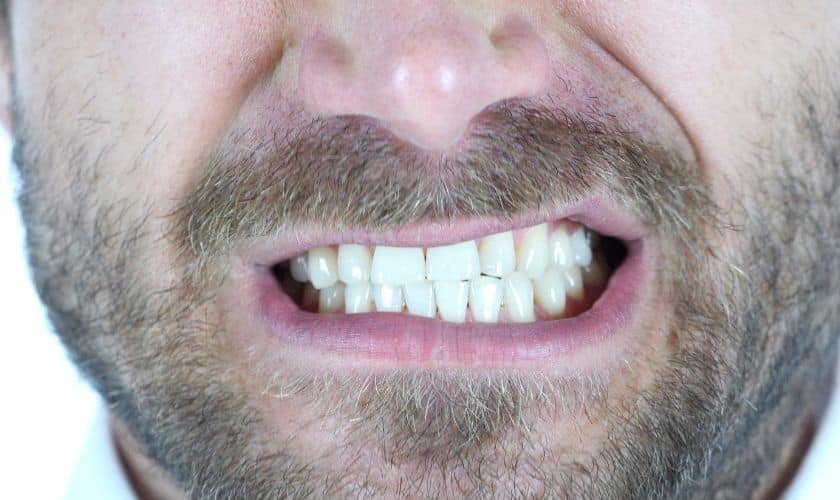
Teeth grinding, also known as bruxism, is a common dental concern that often lurks beneath the surface until it starts wreaking havoc on your oral health. Many people grind their teeth occasionally, especially when faced with stress, but when it becomes a habitual occurrence, it can spell trouble for your teeth and overall dental health. In this article, we will delve into the nature of teeth grinding, its underlying causes, and the ways in which it can adversely affect your dental well-being.
Understanding the Mechanics of Teeth Grinding
Teeth grinding involves the involuntary clenching, grinding, or gnashing of your teeth, typically occurring during sleep but occasionally during waking hours. This condition can vary in severity and may be triggered by a range of factors, including stress, anxiety, dental misalignment, and certain medications. It is essential to address teeth grinding promptly, as it can lead to a cascade of dental health complications.
Impact on Tooth Enamel
Perhaps the most evident consequence of teeth grinding is the gradual erosion of your tooth enamel. Enamel serves as the sturdy, protective outer shell of your teeth, acting as the primary defense against tooth decay and sensitivity. When you grind your teeth, this enamel begins to wear away, rendering your teeth more susceptible to cavities and heightened sensitivity to temperature variations. Over time, this deterioration may necessitate restorative dental procedures such as fillings or dental crowns.
Heightened Risk of Tooth Cracks and Breakages
The excessive force exerted on your teeth during grinding can lead to the formation of cracks or fractures. These cracks may not be immediately discernible, but they can progressively weaken the structural integrity of the affected tooth. Ultimately, this can result in more significant dental complications, including broken teeth that may require interventions such as root canals or tooth extractions.
TMJ Disorders and Jaw Discomfort
Teeth grinding can also exert additional pressure on the temporomandibular joint (TMJ), which connects your jaw to your skull. The excessive strain on the TMJ from grinding can contribute to the development of TMJ disorders. Common symptoms of these disorders encompass jaw discomfort, headaches, and challenges in smoothly opening or closing your mouth. Addressing teeth grinding can aid in alleviating these discomforting symptoms.
Gum Recession and Tooth Sensitivity
The persistent grinding action can place added stress on your gum tissue, potentially leading to gum recession. As your gums recede, the sensitive roots of your teeth become exposed, heightening your teeth’s vulnerability to temperature fluctuations and contributing to increased tooth sensitivity.
Disrupted Sleep Patterns
Teeth grinding predominantly occurs during sleep, which can disrupt your sleep patterns and result in suboptimal sleep quality. Chronic disturbances in your sleep can give rise to a host of health issues, including fatigue, irritability, and an overall diminished sense of well-being.
Diagnosis and Treatment Options
If you suspect that you may be a teeth grinder, it is imperative to seek consultation with a dentist. A dental professional can conduct an assessment of your teeth for signs of grinding and may recommend a customized mouthguard or splint to safeguard your teeth during sleep. Additionally, addressing the underlying factors contributing to bruxism, such as stress or dental misalignment, can be instrumental in mitigating grinding occurrences.
Teeth grinding is a prevalent dental concern that can carry substantial consequences for your oral health. It can usher in enamel erosion, tooth cracks, TMJ disorders, gum recession, tooth sensitivity, and sleep disturbances. To safeguard your dental well-being, it is vital to seek professional assistance if you suspect you are grinding your teeth. Timely intervention can avert or minimize the long-term repercussions of bruxism, ensuring that your smile remains healthy and pain-free. Do not allow teeth grinding to compromise your dental health—take proactive steps today to protect your teeth and preserve your radiant smile.