

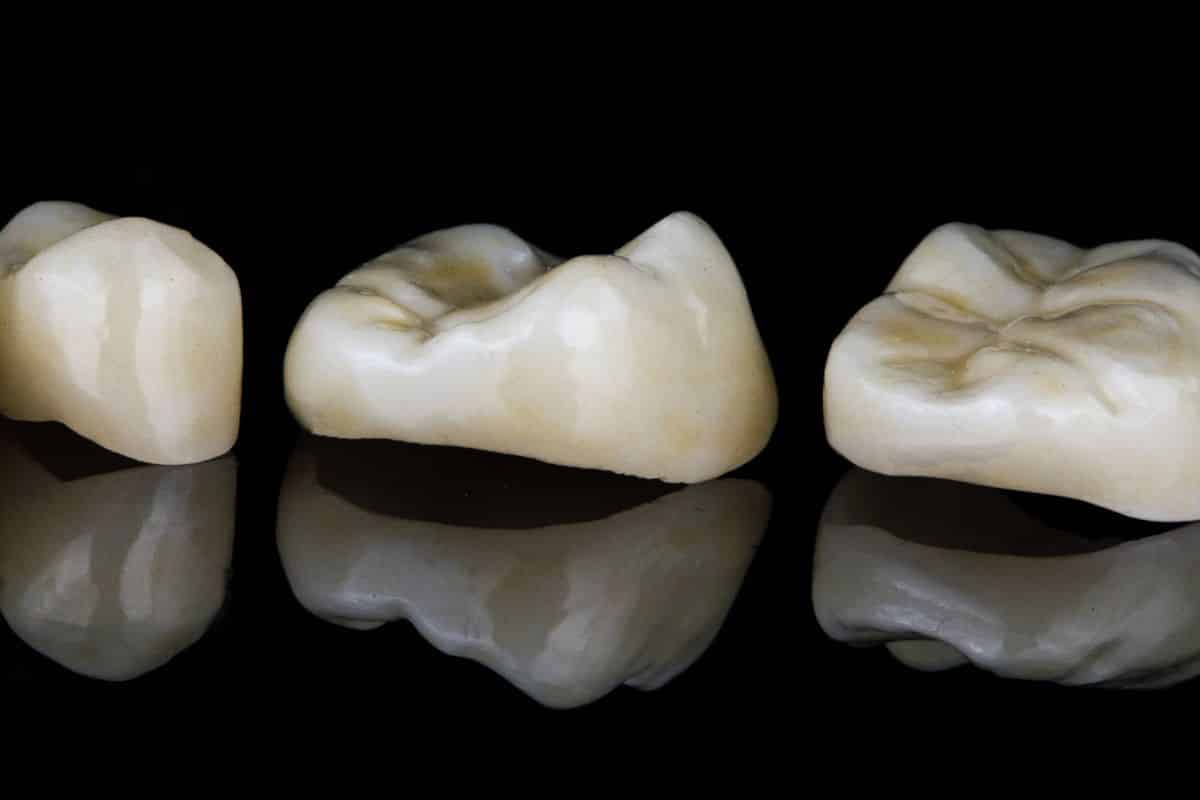
When it comes to treating large cavities, patients often face a choice between inlays, onlays, or dental crowns. Each option offers unique benefits and can effectively restore a damaged tooth, but which is the best solution? In this blog, we’ll explore the differences between inlays, onlays, and crowns to help you determine which treatment is right for you.
Understanding Inlays, Onlays, and Crowns
Before diving into which option is better for large cavities, let’s define these dental treatments:
- Inlays: These are custom-made fillings that fit into the cavity, covering the damaged portion of the tooth. They are typically used when the damage is confined to the interior of the tooth, leaving the tooth’s outer structure intact.
- Onlays: Similar to inlays, onlays are custom restorations that extend over the tooth’s top surface, including one or more of the cusps (the pointed parts of the tooth). Onlays are ideal for larger cavities that require more extensive coverage than an inlay.
- Crowns: A dental crown is a cap that covers the entire tooth, encasing it completely. Crowns are often used when a tooth is severely damaged or decayed, offering full protection and restoring both the strength and appearance of the tooth.
The Case for Inlays and Onlays for Large Cavities
Inlays and onlays can be highly effective for treating large cavities, offering several benefits over crowns:
1. Conserving Tooth Structure
One of the main advantages of inlays and onlays over crowns is that they preserve more of the natural tooth. While crowns require the removal of a significant amount of healthy tooth structure to fit the cap, inlays, and onlays are designed to fit the cavity precisely, leaving more of the natural tooth intact. This is particularly important for patients who want to maintain as much of their original tooth as possible.
2. Durability and Strength
Both inlays and onlays are made from durable materials such as porcelain or composite resin, which are strong and long-lasting. They are designed to withstand the pressures of chewing and biting, making them ideal for large cavities. Onlays, in particular, offer additional strength as they cover the cusps of the tooth, helping to restore its full functionality. While crowns are also durable, inlays and onlays can be a better option for patients looking for a solution that strengthens the tooth without covering it entirely.
3. Better Aesthetic Results
Inlays and onlays are often considered more aesthetically pleasing than crowns. Since these restorations are made from materials like porcelain, they can be customized to match the color of the natural tooth, providing a seamless and natural-looking result. Crowns, while also available in tooth-colored materials, can sometimes appear bulkier and less natural, particularly when placed on front teeth.
4. Less Invasive Treatment
Getting an inlay or onlay usually requires less removal of healthy tooth tissue compared to a crown. This makes the procedure less invasive and can potentially reduce the recovery time. Since the dentist only needs to remove the decayed portion of the tooth, the process is more conservative, focusing on preserving as much natural tooth structure as possible.
When Are Crowns a Better Option?
While inlays and onlays have their advantages, there are instances where a dental crown might be the better choice:
1. Severe Tooth Damage
If the cavity is too large and the tooth has extensive damage or structural weakness, a crown may be necessary. Crowns are ideal for teeth that are fractured, have large fillings, or are severely decayed. They completely cover the tooth, providing added strength and support when the remaining tooth structure is insufficient to hold a filling.
2. Tooth Reconstruction After a Root Canal
After a root canal, a tooth becomes more brittle and prone to further damage. In these cases, a crown is often the best solution to protect and reinforce the tooth. While inlays and onlays can be used in some situations, crowns are more commonly recommended after a root canal due to the extensive protection they provide.
Conclusion
Inlays and onlays can be a better option than crowns for large cavities in many cases, especially when preserving tooth structure, achieving aesthetic results, and ensuring long-term durability are priorities. However, crowns still play an essential role in treating severely damaged teeth or when maximum protection is needed.
The best way to determine which treatment is right for you is to consult with your dentist. They will evaluate the extent of the damage, your oral health, and your specific needs to recommend the most suitable solution. Whether you choose an inlay, onlay, or crown, each option can restore your tooth’s strength and function, helping you maintain a healthy and confident smile.