

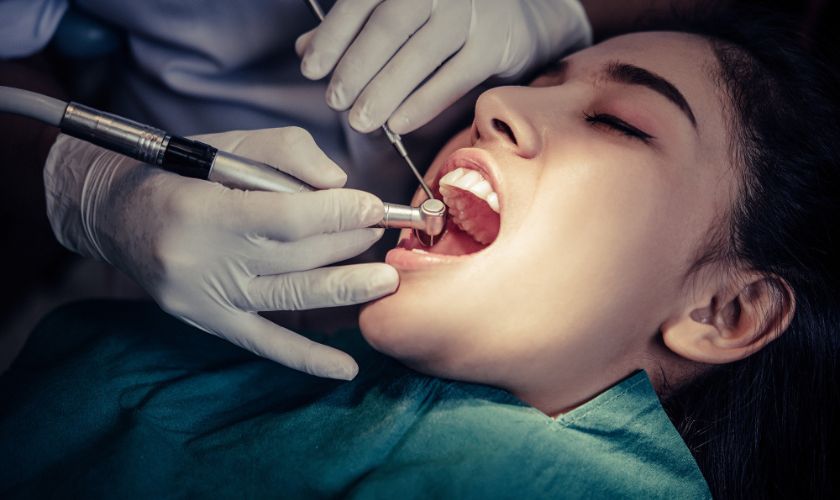
Dental sealants are a proactive measure in preventive dentistry, designed to protect the teeth from decay. They are thin, protective coatings applied to the chewing surfaces of the back teeth, where cavities are most likely to form. While often associated with children, dental sealants offer valuable benefits for adults as well. Here’s a look at how dental sealants can benefit both children and adults.
What Are Dental Sealants?
A preventive measure commonly used in modern dentistry, dental sealants are made from a liquid resin that is painted onto the grooves of the teeth. Once applied, the resin hardens into a durable, protective layer. This barrier helps to keep out food particles and bacteria that can lead to cavities.
Benefits for Children
- Cavity Prevention: Children are particularly prone to cavities because they often have difficulty brushing thoroughly. Sealants provide an extra layer of protection against decay, reducing the likelihood of cavities in the deep grooves of molars.
- Cost-Effective: Applying sealants is a relatively inexpensive preventive measure compared to the cost of treating cavities. Early intervention can save parents significant money in the long run.
- Durable Protection: Sealants can last several years with proper care. Regular dental check-ups will ensure that they remain intact and effective.
- Simple Application: The process of applying sealants is quick and painless. It usually involves a thorough cleaning of the tooth, application of the sealant, and curing it with a special light.
Benefits for Adults
- Decay Prevention: Adults, especially those with deep grooves or worn enamel, can benefit from sealants to prevent new cavities. Even if you have no cavities, sealants can help protect teeth from future decay.
- Protects Against Sensitivity: If you have sensitive teeth, sealants can provide a protective barrier against external stimuli, reducing discomfort caused by hot or cold foods.
- Protects Dental Work: If you have restorations like fillings, sealants can protect the surrounding natural tooth structure from decay and deterioration.
- Convenient Maintenance: Sealants require minimal maintenance. They are easy to apply and don’t require any special care beyond regular brushing and flossing.
How Are Sealants Applied?
The application of dental sealants is a straightforward procedure. It involves:
- Cleaning the Tooth: The tooth is thoroughly cleaned and dried.
- Applying the Sealant: The sealant is painted onto the tooth and allowed to flow into the grooves.
- Curing the Sealant: A special light is used to harden the sealant.
Are There Any Risks?
Dental sealants are generally safe and well-tolerated. They are made from biocompatible materials that are not harmful. However, it’s essential to have them applied by a skilled dentist to ensure proper application and effectiveness.
Conclusion
Dental sealants are a valuable preventive tool for both children and adults. They offer an easy, cost-effective way to protect teeth from decay and enhance overall dental health. Whether you’re considering sealants for your child or yourself, they can be a wise investment in maintaining a healthy smile.
For more information on dental sealants and to see if they are right for you or your child, consult with your dentist. They can provide personalized advice based on your specific dental needs.