

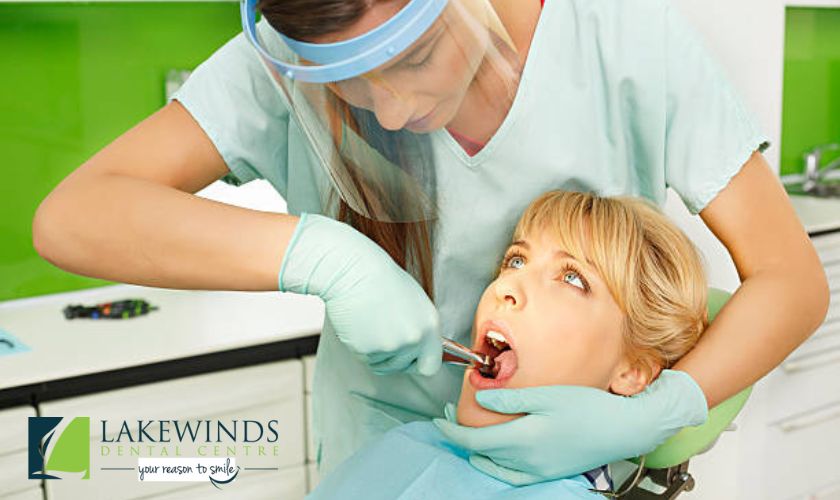
Are you dreading the thought of having teeth extracted for orthodontic treatment? Well, we’ve got some good news for you! There are now several alternative options available that can help transform your smile without resorting to tooth removal. You no longer need to endure the discomfort and hassle of pulling out teeth to achieve a straighter set of pearly whites. In this blog post, we’ll explore orthodontic alternatives to tooth extraction and help you decide which option best suits your needs. So, let’s dive in!
Orthodontic Alternatives
Your orthodontist will always try to save your natural teeth before considering extraction. However, there are times when the extraction is the best course of treatment. When this is the case, your orthodontist will discuss all of the options with you so that you can make an informed decision about what is best for your smile.
The most common orthodontic alternative to tooth extraction is dental implants. Dental implants are artificial roots in the jawbone to support a replacement tooth. This option is often used when there is not enough room in the mouth for traditional braces or when crowding is severe.
Another option that your orthodontist may recommend is tooth-supported fixed bridges. This type of bridge uses adjacent teeth for support and consists of artificial teeth joined together by a metal or ceramic framework. This option is often used when one or more teeth are missing.
If you and your orthodontist decide that tooth extraction is the best course of treatment for you, rest assured that they will do everything possible to ensure the procedure is as painless and stress-free as possible.
Orthodontic Appliances to Avoid Tooth Extraction
Several orthodontic appliances can be used to avoid tooth extraction. This includes braces, clear aligners, and retainers. Each appliance has its advantages and disadvantages, so speaking with your orthodontist about which is right for you is essential.
Braces are the most common type of orthodontic appliance and can be used to treat various dental problems. They are made up of metal brackets bonded to your teeth and connected by wires. Braces can effectively treat overcrowding, gaps, and misaligned teeth. However, they can also be uncomfortable and require more upkeep than other appliances.
Clear aligners are becoming increasingly popular as an alternative to braces. They are made from transparent plastic and fit snugly over your teeth. When worn, clear aligners are almost invisible and can be removed for eating and brushing your teeth. However, they require diligent use to achieve desired results.
Retainers are another option for avoiding tooth extraction. They are usually made from wire or plastic and fit around the back of your teeth. Retainers can hold your teeth in place after removing braces or clear aligners. They are generally very comfortable to wear but may need to be adjusted occasionally by your orthodontist.
Pros and Cons of Orthodontic Treatment Without Extraction
Orthodontic treatment without extraction can be an excellent alternative for patients who want to avoid having their teeth pulled. There are several benefits to this type of treatment, including:
- It is less invasive than traditional orthodontic treatment
- There is no need for teeth to be extracted
- It can be completed in a shorter amount of time
However, there are also some drawbacks to orthodontic treatment without extraction, including:
- The results may not be as dramatic as with traditional orthodontic treatment
- It may not be suitable for all patients
- It can be more expensive than traditional orthodontic treatment
When Is Tooth Extractions Necessary?
There are a few instances when tooth extraction may be necessary as part of your orthodontic treatment plan. Extracting one or more teeth may be the only way to achieve the desired results if your teeth are severely overcrowded. In some cases, extracting a tooth may also be recommended to correct an overbite or open bite. Additionally, extraction may be necessary to allow for proper alignment if you have impacted teeth – meaning they are trapped beneath the gum line and unable to erupt on their own.
Types of Treatments to Avoid Extraction
If your orthodontist has recommended having one or more teeth extracted as part of your treatment plan, you may wonder if there are any alternatives. The good news is that several orthodontic treatments can be used to avoid tooth extraction.
One option is to have a dental implant placed. This is a titanium screw that is surgically placed into the jawbone and allows for a false tooth to be attached. This is an excellent option for people missing one or more teeth.
Another option is to have a pontic placed. This artificial tooth is held in place by brackets and wires. It is not as strong as an implant, but it can still be an excellent option for people missing one or two teeth.
A third option is to have braces placed on your teeth. This will help to align your teeth and make them look straighter. After removing the braces, you will likely need to wear a retainer to keep your teeth in their new position.
If you are considering having one or more teeth extracted, talk to your orthodontist about your options. They can help you find the best solution based on your needs.
Expected Results from Treatment Without Extraction
If your child has mild to moderate crowding, treatment without extraction may be an option. In this case, braces are used to move the teeth into their proper position. The treatment results without extraction are typically excellent, and your child will have a healthy, beautiful smile.
Conclusion
With so many options available, there’s no reason to resort to tooth extraction if it isn’t necessary or desired. Orthodontic treatments such as braces, Invisalign, and clear aligners are a great way to correct minor orthodontic problems without extracting teeth. It would help if you got an accurate diagnosis from your professional dentist before deciding which course of action to take, but with the proper care and attention, you should be able to find the perfect treatment for your mouth.