

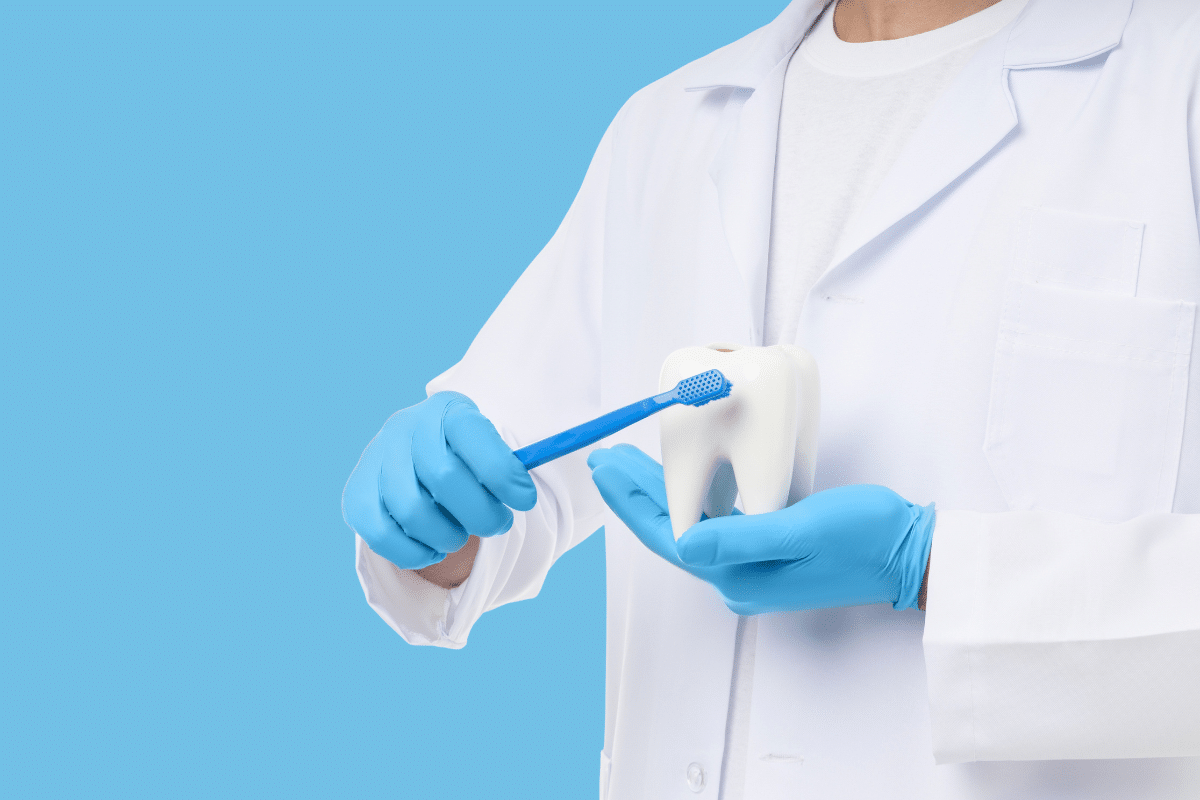
Taking care of your teeth isn’t just about regular checkups. It’s about the daily habits that keep your smile bright and healthy. One of the most essential parts of oral hygiene is brushing and flossing. These two simple yet powerful tools are the foundation of dental care. But are you sure you’re using the right techniques?
In this blog post, you will master the art of brushing and flossing. Whether you’re out enjoying a sunny afternoon at State Park or grabbing a meal at The Blu Moon Bistro, knowing how to care for your teeth properly by a trusted dentist in Ludington ensures that you can continue to enjoy everything this place has to offer.
Why Brushing and Flossing Matter?
Before we dive into the techniques, it’s essential to understand why brushing and flossing are so important. Regular brushing and flossing help prevent cavities, gum disease, and bad breath. They also play a significant role in maintaining overall health. According to the American Dental Association, the bacteria in your mouth can affect your heart, lungs, and even your digestive system. So, taking the time to brush and floss daily goes beyond just keeping your smile looking great—it helps keep you healthy.
Brushing Techniques Recommended by Trusted Dentist
Brushing is your first line of defense against plaque buildup. Here are the steps recommended by professionals at the top dental office in Ludington:
Choose the Right Toothbrush
The type of toothbrush you use matters. Opt for a soft-bristled brush, as it’s gentle on your gums while effectively cleaning your teeth. Electric toothbrushes are a great choice, as they provide consistent brushing motions, but a manual toothbrush can work just as well if used correctly.
Use Fluoride Toothpaste
Fluoride is a natural mineral that helps prevent tooth decay. Make sure you’re using a toothpaste that contains fluoride to strengthen your enamel.
Angle Your Brush at 45 Degrees
Position your toothbrush at a 45-degree angle. Gently move the brush back and forth in short, tooth-wide strokes. This motion helps remove food particles and plaque without damaging your gums.
Brush for Two Minutes
Set a timer to ensure you brush for the entire two minutes. This will give you enough time to clean each tooth surface thoroughly. It’s easy to rush through brushing, but taking the extra time pays off in the long run.
Don’t Forget the Tongue
Your tongue is a hotspot for bacteria that can lead to bad breath. Brush your tongue or use a tongue scraper to remove any buildup.
Replace Your Toothbrush Regularly
Your toothbrush should be replaced every three to four months or sooner if the bristles are frayed. A worn-out brush won’t clean effectively.
Flossing: The Underestimated Hero
Flossing is equally important as brushing, but many people overlook it. Flossing helps remove plaque and food particles from between your teeth and under the gum line, where your toothbrush can’t reach.
Use the Right Amount of Floss
Cut about 18 inches of dental floss. This enables you to use a fresh piece of floss for each time tooth. Wrap the ends around your middle fingers, leaving about 1-2 inches of floss to work with.
Be Gentle
Gently slide the floss between your teeth. Don’t snap or force it, as this can damage your gums. Curve the floss around each tooth in a C-shape and gently move it up and down to remove plaque.
Don’t Forget the Back Teeth
It’s easy to forget about the back teeth, but they are just as important as the front ones. Make sure to floss between all your teeth, not just the ones in the front.
Floss Once a Day
Flossing once a day is sufficient. It’s best to floss at night before brushing. It clears out the day’s buildup and gets your teeth ready for a clean night’s sleep.
Common Brushing and Flossing Mistakes to Avoid
Even with the best intentions, you may be making some common mistakes that hinder your oral hygiene routine.
Brushing Too Hard
Some people think that brushing harder will clean better, but this can actually damage your gums and enamel. A reliable dentist in Ludington recommends using a gentle hand and letting your toothbrush do the work.
Not Replacing Your Toothbrush Enough
As mentioned earlier, replacing your toothbrush is crucial. If you’ve had your toothbrush for too long, it’s not as effective at cleaning your teeth.
Rinsing Immediately After Brushing
Rinsing with mouthwash or water right after brushing can wash away the concentrated fluoride in your toothpaste. Instead, spit out the excess toothpaste and wait a little before rinsing.
Skipping Flossing
Brushing alone isn’t enough. Skipping flossing can lead to missing up to 40% of your tooth surfaces. Make sure flossing is a regular part of your oral care routine.
Local Tips for Ludington Residents
Being in this city means you’re surrounded by some of the best outdoor spots, local dining, and a close-knit community. Maintaining a healthy mouth can help you enjoy everything this harbour town has to offer, from hiking at Ludington State Park to enjoying a freshly caught fish at The Lakeside Inn.
Additionally, humid weather and the local love of sweet treats (such as fudge from The House of Flavors) make practicing good oral hygiene essential to avoid tooth decay.
A Few Minutes a Day Can Make a Lifetime of Difference
Taking care of your teeth is an essential part of staying healthy, and following the right brushing and flossing techniques can make a world of difference. Whether you’re enjoying a stroll through Waterfront Park or grabbing a bite at The Q Smokehouse, maintaining your oral health ensures you can enjoy every moment in Ludington without worrying about dental issues.
If you have any concerns or want to ensure you’re using the best techniques for your oral health, feel free to schedule a consultation with a trusted professional. They can provide guidance and help you create a personalized oral care plan. For more information on maintaining your oral health, contact a local dental office in Ludington. Keep your smile shining bright!
Common FAQs: Brushing and Flossing Techniques
1. How often should I brush my teeth?
Brushing your teeth twice a day—once in the morning and once before bed—is the ideal routine. Regular brushing helps remove plaque and prevent cavities. Be sure to brush for two minutes each time to ensure your teeth stay clean.
2. How do I know if I’m brushing my teeth long enough?
Brushing for at least two minutes is recommended. Use a timer or an electric toothbrush with a built-in timer to ensure you’re brushing long enough. Proper brushing time allows you to clean every tooth surface thoroughly.
3. Should I floss before or after brushing?
It doesn’t matter whether you floss before or after brushing, but flossing before brushing may help remove plaque and food particles, making brushing more effective. The key is to make flossing a regular part of your oral care routine.
4. Can flossing help with bad breath?
Yes, flossing removes trapped food particles and bacteria between your teeth that can cause bad breath. By flossing daily, you’ll improve your oral hygiene and reduce the chances of developing unpleasant odors in your mouth.
5. Can I brush too often?
Brushing too often, especially with a hard-bristle toothbrush, can wear down enamel and damage gums. Stick to brushing twice a day with a soft-bristled brush to avoid overdoing it and harming your oral health.
6. How do I choose the right toothpaste?
Choose a fluoride toothpaste, as fluoride strengthens enamel and prevents cavities. Make sure it meets your specific needs—whether it’s for sensitive teeth, whitening, or tartar control. Ask your dentist for recommendations based on your unique oral health needs.