

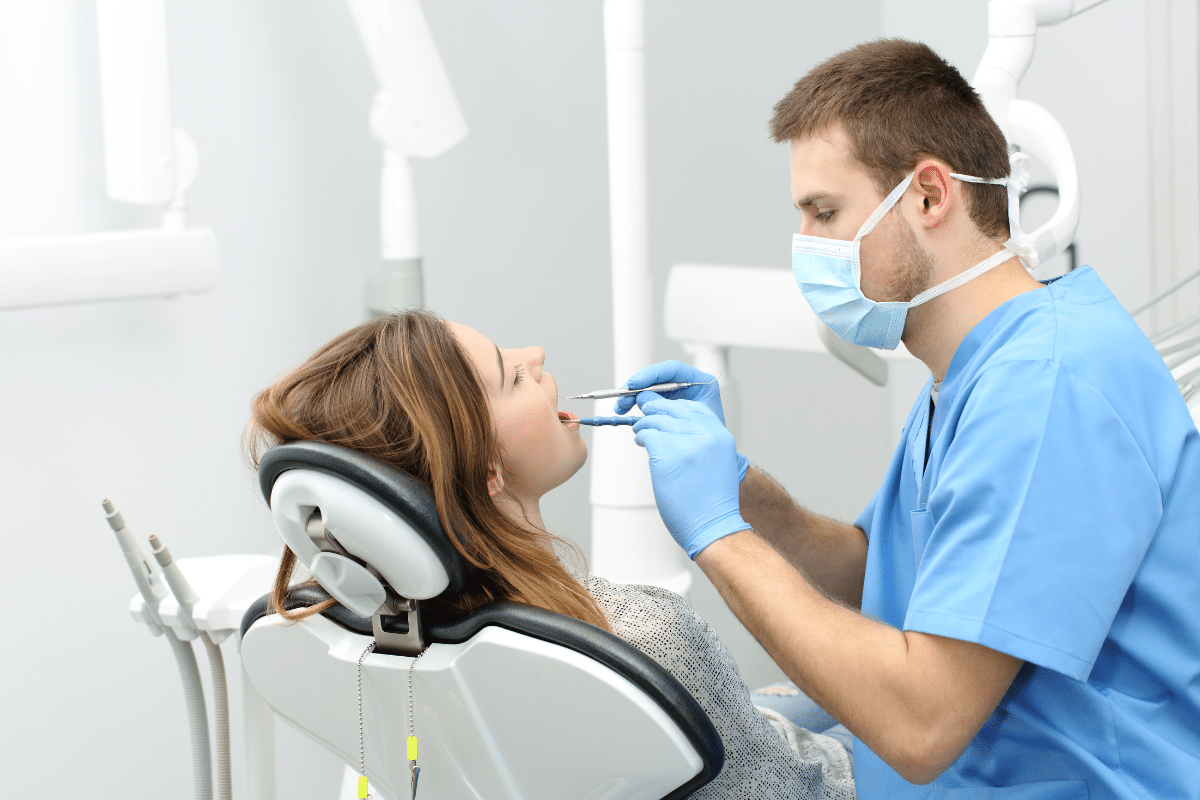
Your dental health is too important to settle for care that doesn’t feel right. Most people visit a dentist twice a year, yet many stay with a provider they’re not fully comfortable with, simply out of habit or convenience. If something feels off at your dental appointments, it’s worth paying attention to that feeling.
This guide walks you through the clearest warning signs that it may be time to find a better fit for your oral health needs.
You Always Leave With Unanswered Questions
A good dentist explains what they’re doing and why. If you sit in the chair confused about your treatment plan, or if your questions get brushed off, that’s a problem. You have every right to understand what’s happening in your own mouth.
Clear communication is one of the basic things to expect from any dental provider. When it’s missing, trust breaks down fast.
The Office Feels Rushed or Disorganized
Do your appointments consistently start late? Does the staff seem overwhelmed or forgetful about your history? These are signs of a practice that may be overextended.
When a dental office runs like this, small things get missed. A chipped tooth noted at your last visit gets overlooked. A follow-up that was promised never happens.
Your time matters, and so does your continuity of care.
Pain or Discomfort Gets Dismissed
Dental work can involve some discomfort, but ongoing pain or sensitivity that gets ignored is not normal. If you mention that something hurts and your dentist Ludington waves it off without investigating, that’s a red flag.
Pain is your body sending a signal. A careful provider listens to that signal and looks into it.
You’re Pressured Into Treatments You’re Not Sure About
A trustworthy dentist recommends what you need and gives you time to think it over. If you feel pushed to say yes on the spot, or if a new treatment is added every single visit without clear explanation, it’s fair to question whether those recommendations are truly necessary.
You should never feel rushed into spending money or agreeing to procedures you haven’t fully understood.
The Office Isn’t Up to Date on Basic Standards
Dental technology and safety protocols have improved a lot. While a dentist doesn’t need to have every new gadget, their office should follow current sterilization guidelines, use modern X-ray equipment, and maintain clean, organized spaces.
If things look outdated or the staff isn’t following visible hygiene steps, take note.
Your Records or History Seem to Get Lost
A good dental practice keeps detailed records. If the team doesn’t seem to know your history, can’t find your X-rays, or asks you to repeat the same information every visit, that’s a workflow problem that can affect your care.
Continuity matters in dentistry. Your dentist should be tracking changes in your teeth and gums over time, not starting from scratch at each appointment.
You Dread Going, and Not Just Because of Needles
Dental anxiety is common, but there’s a difference between general nervousness and a specific feeling of distrust or discomfort tied to your current provider. If you find yourself avoiding appointments because of how the office makes you feel, that’s worth listening to.
The right dental team makes you feel respected and at ease, even when the work is not easy.
Finding the Right Dental Care in Your Area
If any of these signs feel familiar, you’re not alone. Many people quietly tolerate a dental experience that isn’t serving them well. The good news is that switching providers is straightforward, and starting fresh with a practice that actually listens can make a real difference.
For residents in the Ludington, MI area, finding a dentist Ludington locals trust comes down to looking for a practice that values clear communication, patient comfort, and consistent care. Word of mouth still works well here. Ask neighbors, coworkers, or local community groups who they see and what their experience has been like.
When you search for a dentist near me, don’t just go with the first result. Read reviews carefully. Look for consistent themes in what patients mention, whether that’s wait times, how questions were handled, or how the staff treats people.
A dental office should feel like a healthcare partner, not a place you get through and forget until next time.
What to Do Before You Switch
Before you leave your current dentist, request a copy of your full dental records and X-rays. You’re entitled to them. Bring that history to your new provider so care can continue without gaps.
It’s also a good idea to schedule a new patient exam with your next dentist Ludington choice before fully committing. That first visit will tell you a lot about how the practice operates and whether it’s a good match.
Making the Switch
Switching dentists can feel awkward, but it doesn’t have to be. You don’t owe your current provider an explanation. Simply find a new practice, transfer your records, and move forward.
Your health comes first. A dental provider who is right for you will make that transition easy and welcome you with the care and attention you deserve.
If you’re searching for a dentist near me in the Ludington area and want straightforward, patient-focused care, schedule a consultation with Lakewinds Dental Centre. The team is here to answer your questions, walk you through your options, and make sure you feel confident at every visit. You can also contact our Lakewinds Dental Centre office directly to get started with a new patient appointment.
Frequently Asked Questions
1. How do I know if my dentist is qualified?
You can verify a dentist’s credentials through your state dental board. In Michigan, the Department of Licensing and Regulatory Affairs (LARA) maintains a public license lookup for all practicing dentists.
2. Is it okay to switch dentists mid-treatment?
Yes. You can switch at any point. Request your records and let your new provider know where you are in the treatment process so they can continue care without starting over.
3. What should I bring to my first appointment at a new dental office?
Bring your dental records, X-rays if you have them, your insurance card, a list of any medications you take, and any notes about past dental issues or sensitivities.
4. How often should I be seeing a dentist?
Most adults benefit from two cleanings and checkups per year. If you have gum disease, a history of cavities, or other ongoing issues, your provider may recommend more frequent visits.
5. What if I have dental anxiety?
Tell the office before your appointment. Many practices have options to help patients feel more comfortable, including clear step-by-step explanations, breaks during procedures, or sedation options for more involved work.
6. Can I get a second opinion on a treatment recommendation?
Absolutely. Getting a second opinion is a normal and responsible thing to do, especially for costly or complex procedures like crowns, root canals, or extractions.
7. What should a new patient exam include?
A thorough new patient exam typically includes a full set of X-rays, a gum health screening, an oral cancer check, and a review of your dental and medical history. The dentist should walk you through their findings and answer any questions you have.
8. How do I transfer my dental records to a new provider?
Contact your current dental office and request your records in writing. They are required to provide them, though they may charge a small copying fee. Your new office can also help coordinate the transfer.