

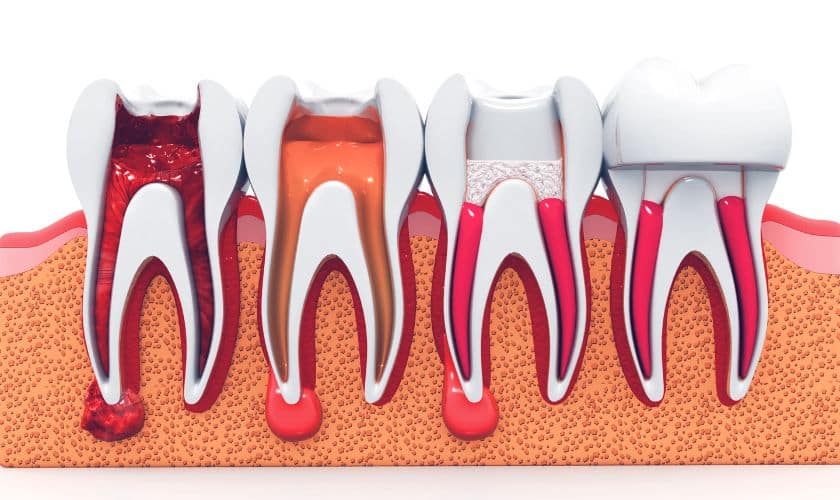
Root canal therapy, often shrouded in myths and misconceptions, is a dental procedure that can save a severely damaged or infected tooth. It’s crucial to understand the facts about root canals, their purpose, and what to expect when facing this common dental treatment.
What is a Root Canal?
A root canal is a dental procedure that treats the inside of a tooth. It becomes necessary when the pulp—the innermost portion of a tooth containing nerves and blood vessels—becomes infected or damaged.
Common Reasons for Root Canals:
- Toothache
- Deep cavities
- Trauma to the tooth
- Pulp inflammation or infection
The Procedure:
During a root canal, the dentist removes the infected or damaged pulp, cleans the inside of the tooth, and seals it to prevent further infection. This process not only relieves pain but also saves the tooth from extraction.
Pain Management:
Contrary to popular belief, root canals are not painful. They are performed under local anesthesia, ensuring the patient feels minimal to no discomfort during the procedure.
Aftercare and Recovery:
After the root canal, some post-procedure discomfort is normal, but it can be managed with over-the-counter pain relievers. Patients are encouraged to follow their dentist’s post-operative care instructions.
Long-Term Benefits:
Root canals are highly successful, with treated teeth often lasting a lifetime. The procedure preserves natural teeth, preventing alignment issues and maintaining proper oral function.
Dispelling Myths:
It’s important to dispel the myths surrounding root canals, such as the belief that they weaken teeth. In reality, root canal therapy strengthens and saves teeth.
Prevention:
Maintaining good oral hygiene practices, regular dental check-ups, and addressing dental issues promptly can reduce the likelihood of needing a root canal.
Conclusion:
Root canal therapy is a common dental procedure designed to save teeth and alleviate pain caused by infections or damage. Understanding the process, the need for a root canal, and the benefits it offers can help you make informed decisions about your dental health. If you suspect you may need a root canal or have questions, consult your dentist, who can provide personalized guidance and care tailored to your specific needs.