

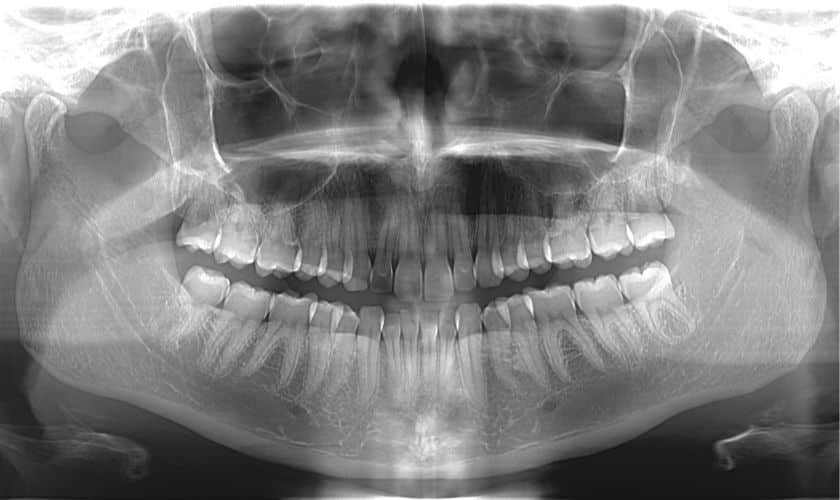
In the realm of modern dentistry, Cone Beam Computed Tomography (CBCT) has emerged as a revolutionary technology, providing detailed 3D images of the oral and maxillofacial structures. This blog explores the diverse applications of CBCT, highlighting its transformative impact on diagnosis, treatment planning, and overall patient care in the field of dentistry.
Precise Implant Planning:
CBCT plays a crucial role in implant dentistry by offering detailed images of the jawbone, nerves, and adjacent teeth. Dentists can use these precise images to plan implant placement, ensuring optimal positioning and minimizing the risk of complications. This results in more accurate and successful implant procedures, enhancing long-term outcomes for patients.
Endodontic Diagnosis and Treatment:
In endodontics, CBCT provides a three-dimensional view of the tooth’s root canal system, aiding in the diagnosis of complex cases. Dentists can identify anatomical variations, locate hidden canals, and assess the extent of infections with greater accuracy. This leads to improved treatment planning and increased success rates in root canal procedures.
Orthodontic Assessment:
CBCT is valuable in orthodontics for assessing skeletal and dental relationships in three dimensions. Orthodontists can analyze the alignment of teeth, identify impactions, and plan more effective treatment strategies. The 3D images help create a comprehensive view of the patient’s oral structures, contributing to precise and personalized orthodontic care.
Temporomandibular Joint (TMJ) Analysis:
CBCT allows for detailed imaging of the temporomandibular joint, aiding in the diagnosis and treatment planning for TMJ disorders. Dentists can assess joint morphology, detect abnormalities, and develop targeted treatment plans to address issues such as joint pain, clicking, or limited jaw movement.
Airway and Sleep Apnea Evaluation:
CBCT is increasingly used to assess airway anatomy and identify potential issues related to sleep-disordered breathing, such as sleep apnea. This application helps dentists collaborate with sleep specialists to develop comprehensive treatment plans that address both dental and airway concerns, promoting holistic patient care.
Impacted Teeth and Pathology Detection:
CBCT is highly effective in detecting impacted teeth, assessing their position, and planning for their safe removal or repositioning. Additionally, it aids in the identification of oral and maxillofacial pathology, including cysts, tumors, or inflammatory conditions, enabling early diagnosis and appropriate intervention.
Conclusion:
Cone Beam CT technology has undeniably transformed the landscape of dentistry, providing clinicians with a powerful tool for comprehensive diagnostics and treatment planning. From implant dentistry to orthodontics and beyond, CBCT enhances precision, improves outcomes, and elevates the standard of care for dental patients. As the technology continues to evolve, its applications are likely to expand, further solidifying its position as a cornerstone in modern dental practices dedicated to delivering optimal patient-centered care.