

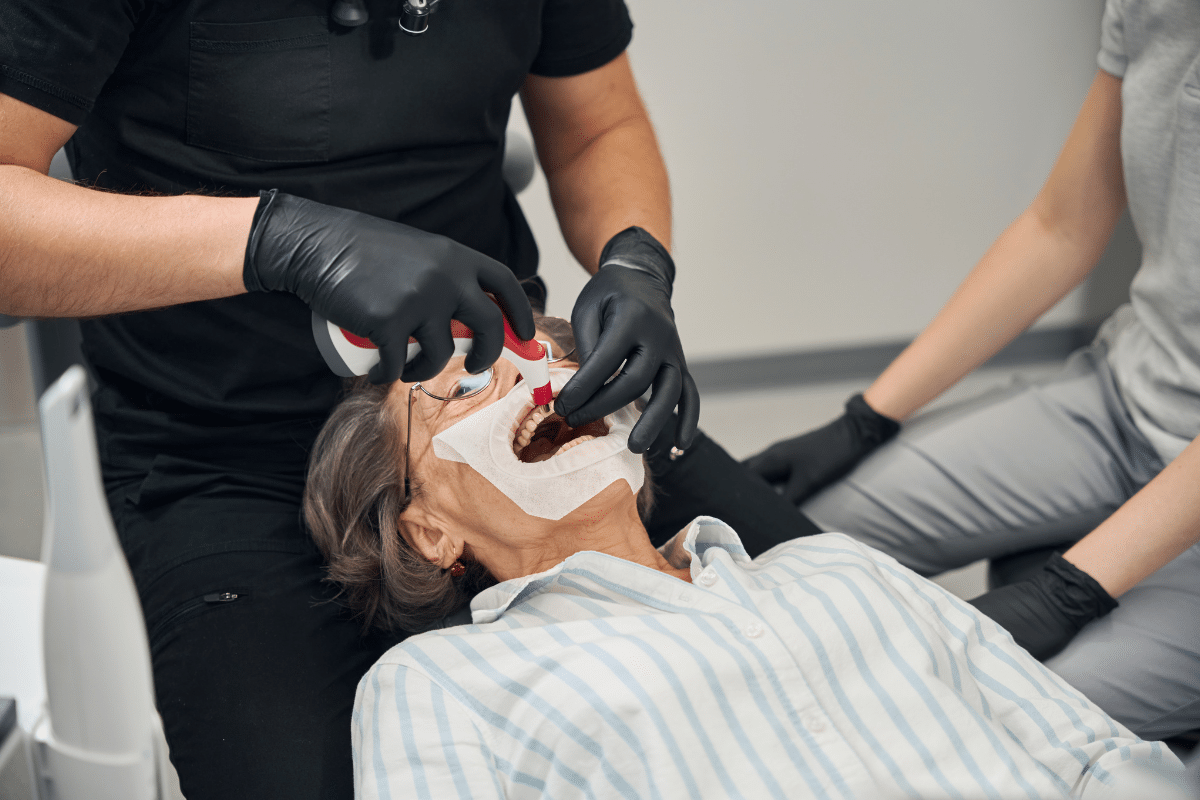
Accidents happen when we least expect them. A car crash, a sports injury, or even a bad fall can leave you with a missing tooth or several. Beyond the physical pain, tooth loss after trauma affects how you eat, speak, and feel about yourself. The good news is that modern dentistry offers a lasting solution that goes beyond just filling the gap.
What Happens to Your Mouth After Dental Trauma
When a tooth is knocked out or broken beyond repair, the damage does not stop there. The jawbone underneath starts to shrink over time because it no longer has a tooth root to support. Neighboring teeth may shift. Your bite changes. Even your facial shape can look different after a while.
This is why acting quickly and choosing the right treatment matters. Not all tooth replacement options stop bone loss. Dentures and bridges sit on top of the gum, but they do not address what is happening beneath the surface.
Why Dental Implants Work Well for Accident-Related Tooth Loss
Dental implants are small titanium posts placed directly into the jawbone. They act as artificial tooth roots. Once the bone heals around the implant (a process called osseointegration), a custom-made crown is attached on top. The result looks, feels, and functions like a natural tooth.
For patients recovering from accidents, dental implants offer something other options cannot: they preserve the jawbone. This matters a lot, especially for younger patients who have decades ahead of them.
Here in Ludington, MI, many patients dealing with accident-related tooth loss turn to dental implants Ludington providers trust to deliver long-term results. It is not just about appearance. It is about restoring full function and confidence.
The Implant Process: What to Expect
Understanding the process helps reduce anxiety, especially when you are already dealing with recovery from an injury.
Initial Evaluation Your dentist will take X-rays and review your bone health. If bone loss has already occurred, a bone graft may be needed before placing the implant.
Implant Placement The titanium post is surgically placed into the jawbone under local anesthesia. Most patients find this more comfortable than expected.
Healing Period It takes anywhere from a few weeks to a few months for the bone to fuse with the implant. During this time, a temporary crown may be worn.
Crown Placement Once healing is complete, your permanent crown is attached. This is the visible part of the tooth that is custom-shaped and color-matched to your natural teeth.
The full process takes time, but the outcome is worth it. A well-placed implant can last a lifetime with proper care.
Addressing Emotional Recovery Too
Losing a tooth in an accident is not just a physical experience. Many patients feel self-conscious about smiling. They avoid photos or social situations. Some even change the way they talk to hide the gap.
Restoring your smile with dental implants Ludington residents rely on is part of healing the whole person, not just the injury. Patients often report feeling more like themselves again once their smile is restored.
If you have been putting off treatment because you are unsure where to start, searching for a trusted dentist near me is a good first step. A consultation can answer your specific questions without any pressure.
Are You a Candidate for Dental Implants?
Most healthy adults are good candidates. A few factors your dentist will assess include:
- Enough jawbone density to support the implant
- Healthy gums free of active infection
- No uncontrolled conditions like unmanaged diabetes
- Non-smoker or willingness to quit (smoking affects healing)
Even if you have experienced bone loss after your accident, solutions like bone grafting can often make implants possible. Age alone is rarely a barrier.
Caring for Implants After Placement
One of the best things about dental implants is how easy they are to maintain. You brush and floss just like natural teeth. No special adhesives, no removal at night, no dietary restrictions beyond what your dentist recommends during healing.
Routine dental visits are still important. Your dentist will check the implant, the surrounding gum tissue, and your overall oral health at each appointment.
Conclusion
Accidents leave marks, but they do not have to define your smile forever. Dental implants offer a proven, long-lasting way to replace teeth lost to trauma while protecting your jawbone and restoring your confidence.
At Lakewinds Dental Centre in Ludington, MI, the team understands that every patient’s situation is different. Whether you lost one tooth or several, the path to a full smile starts with an honest conversation. If you are looking for a dentist near me who takes the time to understand your needs, Lakewinds Dental Centre is here to help.
To take the next step, schedule a consultation with Lakewinds Dental Centre and learn how dental implants Ludington patients recommend can work for your specific case. You can also contact our Lakewinds Dental Centre office directly to ask questions or book your first visit.
Frequently Asked Questions
1. How painful is the dental implant procedure?
Most patients report mild discomfort during recovery, not during the procedure itself. Local anesthesia is used throughout, and over-the-counter pain relief is usually enough afterward.
2. How long do dental implants last?
With proper care and regular dental checkups, implants can last a lifetime. The crown on top may need replacement after 10 to 15 years depending on wear.
3. Can I get an implant years after losing a tooth in an accident?
Yes, though bone loss may have occurred. Your dentist will assess whether a bone graft is needed before placing the implant.
4. Is the process covered by insurance?
Coverage varies. Some insurance plans cover part of the cost. It is best to check with your provider and ask your dental office about financing options.
5. What if I am nervous about dental procedures?
Many offices offer sedation options to help patients feel calm and comfortable. Talk to your dentist about what is available.
6. How do I know if my jawbone is strong enough for an implant?
A dental X-ray or CT scan will show bone density. Your dentist will review this during your initial consultation and recommend next steps.
7. Can dental implants be done on the same day as the extraction?
In some cases, same-day or immediate implants are possible. This depends on bone health and the condition of the surrounding tissue at the time of extraction.
8. What happens if the implant does not fuse with the bone?
This is rare but can happen. Your dentist will monitor healing closely. If needed, the area can be allowed to heal before a second attempt is made.