

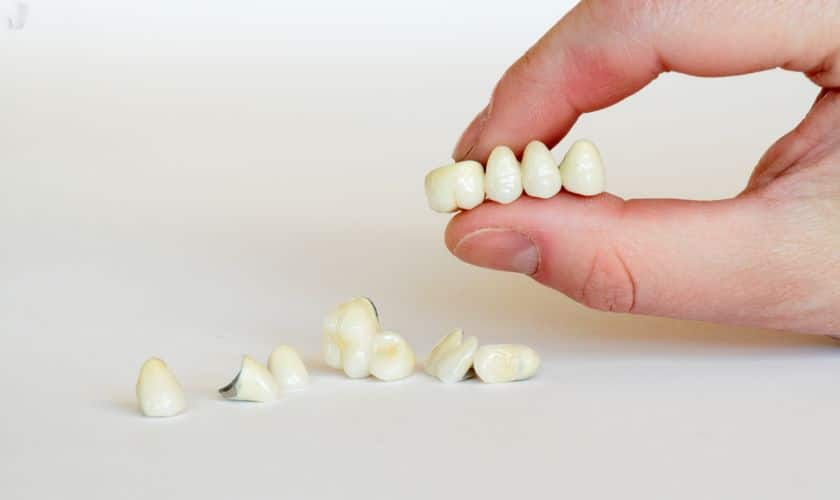
Dental crowns are a common restorative treatment used to protect, cover, and restore the shape of your teeth when fillings do not solve the problem. If your dentist has recommended a dental crown, you might be curious about what the process entails. Here’s a step-by-step guide to help you understand what to expect when getting a dental crown.
Initial Consultation and Examination
The first step in getting a dental crown is an initial consultation with your dentist. During this visit, your dentist will:
- Examine Your Tooth: The dentist will assess the tooth that needs the crown, checking for decay, damage, or other issues that may need to be addressed before placing the crown.
- X-rays: X-rays may be taken to get a detailed view of the tooth and the surrounding bone. This helps detect any underlying issues, such as tooth decay or bone loss.
- Discussion: Your dentist will discuss the need for a crown, explain the procedure, and answer any questions you may have. They will also discuss the different types of crowns available and recommend the best option for your specific case.
Tooth Preparation
Once you’ve decided to proceed with the dental crown, the next step is to prepare the tooth. This involves:
- Numbing the Tooth: A local anesthetic is applied to numb the tooth and the surrounding gum tissue to ensure you don’t feel any pain during the procedure.
- Removing Decay: If there is any decay, it will be removed. In some cases, if a large portion of the tooth is decayed or damaged, your dentist may need to build up the tooth with filling material to provide a solid foundation for the crown.
- Shaping the Tooth: The tooth receiving the crown is filed down along the chewing surface and sides to make room for the crown. The amount removed depends on the type of crown being used (metal crowns require less tooth structure removal compared to porcelain or porcelain-fused-to-metal crowns).
Impressions and Temporary Crown
After the tooth is reshaped, the dentist will make an impression of the tooth:
- Taking Impressions: Impressions of the reshaped tooth and the opposing teeth (the teeth opposite to the one getting the crown) are made. This ensures that the crown will fit properly and align with your bite.
- Choosing a Shade: If you’re getting a crown made of porcelain or composite resin, your dentist will also select a shade that matches the color of your natural teeth.
- Placing a Temporary Crown: A temporary crown is placed over the prepared tooth to protect it while the permanent crown is being made. This temporary crown is usually made of acrylic and is held in place with temporary cement.
Fabrication of the Crown
The impressions are sent to a dental lab, where the permanent crown is custom-made. This process typically takes 2–3 weeks. The dental lab uses the impressions to create a crown that fits perfectly over your tooth and matches the color of your surrounding teeth.
Fitting and Placement of the Permanent Crown
Once your permanent crown is ready, you’ll return to the dentist for the final fitting and placement:
- Removing the Temporary Crown: The temporary crown is removed, and the underlying tooth is cleaned to remove any remaining cement.
- Checking the Fit: The dentist will place the permanent crown on your tooth to check its fit and color. They will make any necessary adjustments to ensure a comfortable bite and proper alignment.
- Cementing the Crown: Once the fit is perfect, the crown is permanently cemented onto your tooth using a special dental cement. Any excess cement is cleaned away, and your dentist will check your bite one more time to ensure everything is in place.
Aftercare and Follow-Up
After your crown is placed, your dentist will provide instructions on how to care for it. Generally, this includes:
- Oral Hygiene: Maintain good oral hygiene by brushing twice a day and flossing daily. Special attention should be given to the area around the crown to prevent gum disease and decay.
- Avoid Certain Foods: For a few days, avoid sticky or hard foods that might dislodge or damage the crown.
- Regular Dental Check-ups: Continue regular dental check-ups to ensure the crown and your other teeth remain in good condition.
Conclusion
Getting a dental crown is a straightforward process that can protect your tooth, restore its function, and enhance your smile. From the initial consultation to the final placement, your dentist will guide you through each step, ensuring you are comfortable and informed throughout the process. By understanding what to expect, you can approach your dental crown procedure with confidence and look forward to the benefits it will bring to your oral health.