

Toothaches can be a real nuisance, disrupting your day and leaving you wondering – what’s wrong with my tooth? While cavities are a common culprit, sometimes the problem goes deeper, affecting the inner core of your tooth called the pulp. This is where root canal therapy might be necessary.
But how do you know if a simple filling won’t suffice and a root canal is needed? This blog aims to shed light on the telltale signs that your tooth needs root canal therapy.
Understanding the Pulp and Root Canals:
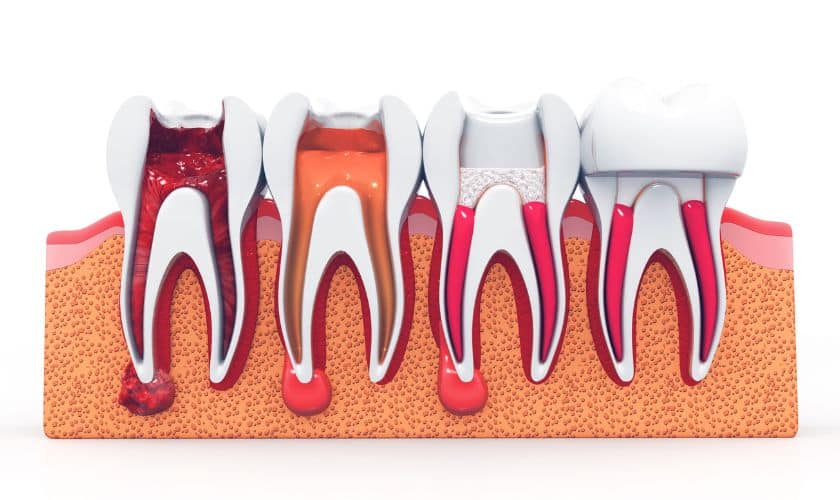
The pulp is a soft tissue located at the center of your tooth, containing nerves, blood vessels, and connective tissue. It plays a crucial role in tooth development and sensation. Each tooth has one or more root canals that house the pulp and extend down into the jawbone, anchoring the tooth in place.
When the Pulp Gets Angry: Causes of Root Canal Need
The need for a root canal arises when the pulp becomes inflamed or infected. This can happen due to several factors:
- Deep Cavities: Left untreated, cavities can spread through the enamel and dentin (the layer below the enamel) and reach the pulp, causing irritation and infection.
- Cracked or Chipped Tooth: A crack or chip in the tooth can expose the pulp to bacteria, leading to infection.
- Repeated Dental Procedures: Over time, multiple fillings on the same tooth can weaken it and potentially irritate the pulp.
- Trauma: Injury to a tooth can damage the pulp and necessitate a root canal.
The Warning Signs: When to Consider Root Canal Therapy
Ignoring a damaged or infected pulp can lead to complications like abscesses and tooth loss. Here are some signs that you might need a root canal:
- Persistent Pain: A severe, throbbing toothache that persists even after the source of irritation (like hot/cold food) is removed could indicate pulp damage.
- Sensitivity: Lingering sensitivity to hot or cold temperatures, even after the stimulus is removed, can be a red flag.
- Swelling: Swelling in your gums or face around the affected tooth can accompany a root canal issue.
- Pus Drainage: In some cases, there might be pus drainage from the tooth, indicating an infection.
- Gum Discoloration: The gum tissue around the tooth might appear red or discolored.
These are general guidelines. The specific symptoms can vary depending on the severity of the problem and individual pain tolerance. Consulting a dentist is crucial for an accurate diagnosis.
What to Expect During a Root Canal:
A root canal involves removing the infected pulp, cleaning the inside of the tooth, and sealing it with a filling or crown. The procedure is usually done under local anesthesia to minimize discomfort. Modern advancements make root canal therapy much more comfortable than its historical reputation might suggest.
Saving Your Smile: The Benefits of Root Canal Therapy
While root canal therapy might sound daunting, it’s a vital procedure for saving your tooth and preventing further complications. Here’s why opting for a root canal can be beneficial:
- Preserve Your Natural Tooth: Saving your natural tooth is always preferable to extraction. A natural tooth provides better function and aesthetics compared to a replacement tooth.
- Pain Relief: Root canal therapy effectively removes the source of pain, providing long-term relief.
- Prevents Infection: By addressing the infection, you lower the risk of complications like abscesses and jawbone damage.
- Maintains Oral Health: Saving your tooth promotes better overall oral health and function.
Early Diagnosis is Key:
If you experience any of the telltale signs of a root canal issue, don’t hesitate to schedule an appointment with your dentist. Early diagnosis and treatment are key to saving your tooth and preventing further problems.
Conclusion:
Root canal therapy might be necessary when the pulp of your tooth becomes damaged or infected. By understanding the causes and the signs, you can make informed decisions about your oral health. Remember, a root canal can save your tooth and restore your smile. With advancements in dentistry, the procedure is more comfortable and effective than ever before. So, don’t let tooth pain hold you back – schedule that appointment and take a step towards a pain-free, healthy smile!